


Preschool Learning Activities Parents Can Try at Home in Staten Island
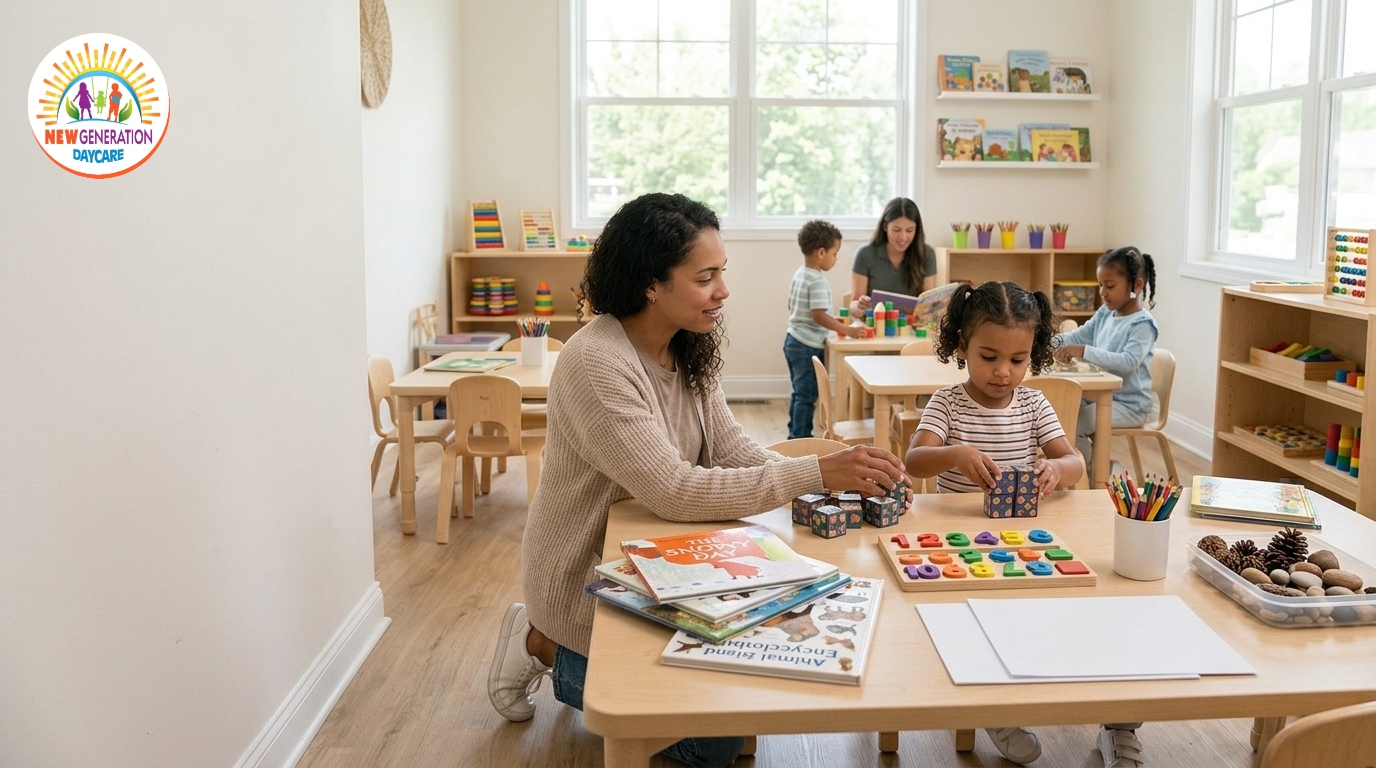
Preschoolers learn constantly, often without realizing they’re learning at all. A simple game of counting spoons at dinner or sorting socks by color can build real skills, the same way structured classroom activities do. For parents in Staten Island looking for ways to support their child’s development outside of the classroom, a few household materials and a bit of time are usually all it takes.
Below are practical, easy preschool activities at home that support different areas of early childhood learning, using items most families already have on hand.
Early Literacy Activities
Building early literacy skills doesn’t require flashcards or workbooks. Everyday conversation and play go a long way.
Letter Hunt Around the House
Choose a letter and see how many objects your child can find around the house that start with that sound. This simple game builds letter and sound awareness in a low-pressure, playful way.
Storytelling With Toys
Use stuffed animals or action figures to act out a simple story together. Ask your child what happens next, encouraging them to build their own narrative and practice vocabulary.
Read and Pause
While reading a favorite book, pause occasionally and ask, “What do you think happens next?” This encourages listening skills and early comprehension, and it turns reading time into an interactive activity rather than a passive one.
Counting and Early Math Activities
Basic math concepts show up naturally in everyday routines, and preschoolers benefit from seeing numbers used in context.
Snack Time Counting
Ask your child to count out crackers, grapes, or pretzels before a snack. This builds one-to-one counting skills in a natural, motivating way.
Sorting Socks or Toys
Sorting laundry or toys by color, size, or type introduces early classification skills, which support later math and logical thinking.
Shape Hunt
Walk around the house or yard and look for shapes, like a circle-shaped plate or a rectangular window. This helps children connect shape names to real objects rather than just pictures.
Drawing and Creative Activities
Creative play gives preschoolers room to experiment without a “right” or “wrong” outcome, which supports both fine motor skills and imagination.
Free Drawing Time
Set out paper and crayons or markers and let your child draw whatever comes to mind. Ask open-ended questions about their drawing rather than guessing what it is.
Collage Making
Save old magazines, cardboard, or fabric scraps and let your child glue pieces together to create their own collage. This activity supports creativity along with fine motor control.
Building With Recycled Materials
Empty boxes, paper towel tubes, and bottle caps can become building materials for a fort, a tower, or an imaginary vehicle. Open-ended building activities like this encourage problem-solving and spatial thinking.
Science and Nature Activities
Preschoolers are naturally curious, and simple science activities can turn everyday observations into learning moments.
Backyard or Park Exploration
Take a short walk and encourage your child to notice leaves, bugs, or weather changes. Asking simple questions like, “Why do you think that leaf is a different color?” encourages early scientific thinking.
Sink or Float Experiment
Fill a bowl or bathtub with water and test different household objects to see which ones sink and which float. This introduces basic cause-and-effect thinking in a hands-on way.
Growing Something Together
Planting a seed in a small cup, even a quick-growing one like grass or beans, gives children a simple way to observe change over time and practice patience.
Sensory Play Activities
Sensory activities help preschoolers explore textures, materials, and cause-and-effect relationships through touch and movement.
Homemade Playdough
A simple flour, salt, and water dough gives children a hands-on material to squeeze, roll, and shape, supporting fine motor development along the way.
Water Play
Filling containers of different sizes with water and pouring between them introduces early measurement concepts and cause-and-effect learning.
Sensory Bins
Fill a shallow container with rice, dried pasta, or beans, and hide small toys inside for your child to find. This kind of activity supports focus and fine motor skills through digging and sorting.
Problem-Solving Activities
Simple, everyday challenges give preschoolers a chance to think through solutions on their own.
Puzzles
Age-appropriate puzzles help children practice patience, spatial reasoning, and persistence when a piece doesn’t fit right away.
Simple Obstacle Courses
Set up pillows, chairs, or blankets as an indoor obstacle course. Children have to figure out how to move through it, which builds both problem-solving and gross motor skills.
Matching Games
Simple matching card games help children practice memory and pattern recognition while also learning to follow game rules.
Fine Motor Skill Activities
Many everyday household tasks double as fine motor practice, even when they don’t look like a formal activity.
Practicing With Child-Safe Scissors
Cutting along drawn lines on paper helps build hand strength and coordination, both important for early writing skills.
Threading Activities
Stringing large beads or pasta onto a shoelace or piece of string builds hand-eye coordination.
Helping With Simple Chores
Tasks like pouring cereal, buttoning a shirt, or zipping a jacket give children real, functional practice with fine motor control.
Social-Emotional Learning Activities
Social-emotional skills grow through everyday interaction, play, and conversation, not just formal lessons.
Emotion Charades
Take turns acting out different feelings, like happy, sad, or surprised, and guessing what emotion is being shown. This helps children build vocabulary around emotions.
Turn-Taking Games
Simple board games or card games that require waiting for a turn help children practice patience and cooperation.
Talking Through Feelings
When your child seems upset or frustrated, naming the feeling out loud (“It looks like you’re feeling frustrated”) can help them build emotional awareness over time.
Bringing Learning Activities Into Everyday Life
None of these activities require special equipment or a lot of preparation. The goal isn’t to turn every moment into a structured lesson, but to notice the everyday opportunities already built into daily life, from grocery shopping to bath time, and use them as natural chances for learning.
For families exploring early childhood learning options in Staten Island, activities like these can also complement what a child is already practicing in a classroom setting, reinforcing skills like counting, communication, and problem-solving in a comfortable, familiar environment at home.
Final Thoughts
Supporting a preschooler’s development at home doesn’t require a curriculum or a trip to the store. Everyday household items, combined with a bit of intentional conversation and play, can support early literacy, math, creativity, motor skills, and social-emotional growth. Whether you’re looking to build on what your child is learning in preschool or simply want some easy activity ideas for a rainy afternoon, small, consistent moments of play tend to add up over time.
Frequently Asked Questions
Do I need special educational toys for these activities?
No. Most of these activities use common household items, like paper, crayons, containers, or pantry staples, rather than specialized educational materials.
How often should I do learning activities with my preschooler?
There’s no set requirement. Even occasional, short activities woven into daily routines, like counting snacks or sorting laundry, can support learning over time.
What if my child loses interest quickly during an activity?
This is normal for young children. Keep activities short, follow your child’s interest, and don’t worry about finishing every step. The process matters more than completing the activity perfectly.
Can these activities replace preschool or structured early education?
These activities are meant to complement early learning, not replace a structured preschool program. They work well alongside a classroom setting to reinforce similar skills at home.
How do I know which activities are right for my child’s age?
Watch your child’s interest and skill level, and adjust activities accordingly. If something feels too easy or too frustrating, it’s fine to simplify or add complexity as needed.
How to Help Your Child Adjust to a New Preschool in Staten Island
preschool in Staten IslandStarting preschool is a big step, both for children and for parents. Even when a child is excited about the idea of school, the first few days or weeks in a new classroom can bring some uncertainty. That’s completely normal. With a bit of preparation and patience, most children settle into their new routine and begin to feel comfortable in their new environment.
If you’re getting ready to enroll your child in a preschool in Staten Island, here are some practical ways to make that transition smoother for everyone involved.
Visit the Preschool Before the First Day
If possible, arrange a visit to the classroom before your child’s official start date. Walking through the space, meeting a teacher, and seeing where drop-off and pickup happen can take away some of the unknown.
Many preschool programs welcome a short tour or visit ahead of enrollment. Seeing the room, the toys, and the general layout in advance can help a child feel a little more familiar with the space once the first real day arrives.
During the visit, you might:
- Point out where your child will hang their backpack or coat
- Show them the play area or reading corner
- Let them meet a teacher, even briefly
- Talk through what a typical day might look like
A short visit won’t erase every nervous feeling, but it often helps take the edge off that first morning.
Build a Consistent Routine Before School Starts
Children tend to feel more secure when their days follow a predictable pattern. In the days or weeks leading up to the preschool start date, it can help to introduce a simple daily rhythm that mirrors what school mornings might look like.
This might include:
- A consistent wake-up and bedtime schedule
- A morning routine for getting dressed and eating breakfast
- Practicing simple tasks like putting on shoes or a backpack
Starting this routine early, rather than waiting until the first day of preschool, gives your child a chance to adjust gradually instead of facing several changes all at once.
Talk About Preschool in a Positive, Simple Way
How you talk about preschool at home can shape how your child feels about it. Keep conversations simple, honest, and upbeat, without overselling or overwhelming them with detail.
A few ideas:
- Read books about starting school or preschool
- Talk about fun parts of the day, like playing with toys or making friends
- Answer questions honestly, even the ones about missing home
- Avoid framing preschool as something to “get through” or worry about
Children often pick up on a parent’s tone. If you feel calm and positive when discussing preschool, that reassurance tends to come across.
Prepare Belongings Together
Getting your child involved in preparing their things for preschool, such as a backpack, a lunch box, or a favorite small item, can create a sense of ownership and excitement.
Simple ways to involve your child:
- Let them choose their backpack or lunch box, if possible
- Practice opening and closing containers they’ll use at school
- Pack a comfort item, if the classroom allows it, like a small photo or a favorite toy
- Label belongings clearly so they’re easy for staff and your child to recognize
These small steps can help your child feel a bit more prepared and in control heading into a new environment.
Handling Separation Anxiety
Separation anxiety is one of the most common challenges during this transition, and it’s rarely a sign that something is wrong. Many young children feel some anxiety about being away from a parent, especially in the first few days of a new setting.
A few approaches that often help:
- Keep goodbyes short, warm, and consistent
- Avoid lingering, which can sometimes make separation harder
- Create a simple goodbye ritual, like a specific wave or phrase
- Reassure your child that you will return at pickup time
Trust that most children settle down within a few minutes of a parent leaving, even if the goodbye itself is hard.
If separation anxiety continues beyond the first couple of weeks, it’s worth talking with your child’s teacher about what they’re observing during the day.
Communicate Openly With Teachers
Teachers spend significant time with your child during the day, and they can often offer valuable insight into how the adjustment is going. Don’t hesitate to ask questions or share information that might help your child settle in.
Helpful things to share with a teacher:
- Your child’s typical routines or comfort habits
- Words or phrases your child uses for common needs
- Anything specific that seems to help your child feel calm
- Updates on how mornings or drop-offs are going at home
Regular, open communication between home and the classroom can make a real difference in how quickly a child settles into their new preschool.
Give Your Child Time
Adjustment doesn’t happen overnight, and that’s okay. Some children settle in within the first few days, while others take a few weeks to feel fully comfortable. Both are normal.
During this period, try to:
- Stick with your established routine, even if some mornings are harder than others
- Avoid comparing your child’s adjustment timeline to another child’s
- Celebrate small signs of progress, like a smoother drop-off or a new friend’s name mentioned at dinner
- Stay patient, since most children do adjust with time and consistency
Every child adjusts at their own pace, and a little extra patience during this stage tends to pay off.
Final Thoughts
Helping a child adjust to a new preschool is rarely about doing everything perfectly. It’s about creating consistency, staying positive, and giving your child the time and support they need to settle in. Whether you’re exploring options for early childhood education or preparing for a preschool start date already on the calendar, small, steady steps at home can make a real difference in how smoothly that transition goes.
If you’re currently comparing childcare in Staten Island or looking into preschool for children in your family, taking time to prepare together, both practically and emotionally, can help set the stage for a positive start.
Frequently Asked Questions
How long does it usually take for a child to adjust to preschool?
Adjustment timelines vary by child. Some settle in within the first few days, while others take a few weeks. Both are considered normal.
Is it normal for my child to cry at drop-off?
Yes, this is a common part of the adjustment process for many young children. Keeping goodbyes short and consistent often helps ease this over time.
Should I stay in the classroom to help my child feel comfortable?
This depends on the specific preschool’s approach. Many programs recommend a brief, warm goodbye rather than staying, since lingering can sometimes make separation harder for a child.
What can I do if my child still seems upset after a few weeks?
If adjustment challenges continue beyond the first couple of weeks, it’s a good idea to talk with your child’s teacher about what they’re observing and whether any additional support might help.
How can I prepare my child at home before their first day?
Building a consistent daily routine, talking positively about school, visiting the classroom in advance if possible, and involving your child in preparing their belongings can all help ease the transition.
What Age Does Preschool Start in Staten Island? A Parent’s Guide
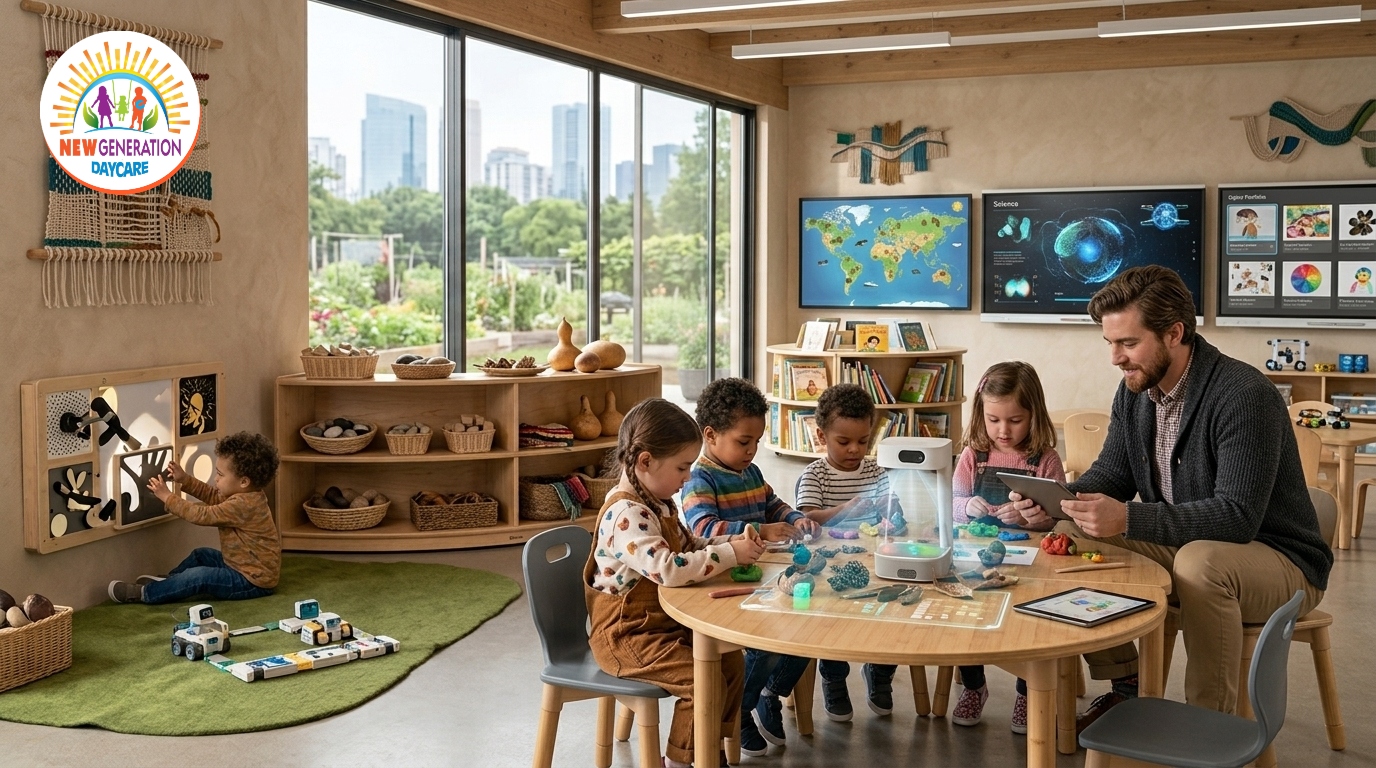
Many children begin preschool around age 3 or 4, but there’s no single “correct” starting age that applies to every child or every school. The right time to start preschool depends on your child’s individual development, your family’s needs, and the specific enrollment requirements of the program you’re considering.
If you’re a Staten Island parent trying to figure out when preschool makes sense for your child, it helps to understand the general age ranges involved, what programs typically look for, and how to recognize readiness in your own child.
What Age Does Preschool Usually Start?
Preschool programs commonly serve children starting around age 3, with many also welcoming 4-year-olds. That said, this is a general pattern, not a fixed rule.
- Preschool around age 3: Many programs consider age 3 a common starting point, often as children gain more language, independence, and comfort in group settings.
- Preschool around age 4: Some children start a year later, either because a program’s age requirements start there or because families choose to wait based on their child’s development.
- Program-to-program differences: Some early childhood centers accept children younger than 3, while others set their minimum age higher. Class structure, staffing, and licensing requirements can all influence this.
Because starting ages vary so much between schools, it’s important to check the specific age requirements of any program you’re considering rather than assuming a universal standard.
Is 2 Too Young for Preschool?
Not necessarily. Some early childhood programs accept children starting at age 2, often in a classroom designed specifically for toddlers before they move into a more structured preschool setting. Whether age 2 is the right time depends heavily on the individual child and the specific program’s approach.
A few factors parents often consider at this age include:
- Communication skills, even simple ones
- Ability to participate in basic group activities
- Comfort being away from a parent for periods of time
- Ability to follow simple routines
- Interest in exploring and trying new things
- Basic self-help skills, like attempting to feed themselves
These are general considerations, not a rigid checklist a child must fully meet before starting. Every child develops differently, and many programs designed for younger toddlers build in extra support for skills that are still developing.
How Do You Know Your Child Is Ready for Preschool?
Readiness looks different for every child, but there are some general signs parents can look for when deciding if the timing feels right:
- Shows curiosity about new activities or environments
- Can participate in simple, predictable routines
- Is beginning to communicate basic needs
- Shows interest in interacting with other children
- Is becoming more independent with small tasks
- Can separate from a parent with some support and reassurance
- Enjoys stories, songs, games, or hands-on activities
It’s worth remembering that children reach these milestones at different rates, and that’s completely normal. A child who isn’t fully independent yet, for example, can still do well in a supportive preschool classroom.
Preschool vs. Toddler Care vs. Pre-K
Understanding how these stages generally differ can help make the decision less confusing:
|
Toddler Care |
Preschool |
Pre-K |
|
|
Typical stage |
Younger, early developmental stage |
Early-to-mid preschool years |
Year(s) before kindergarten |
|
Main focus |
Care, routines, early exploration |
Early academic and social skill-building |
More structured school-readiness skills |
|
Social development |
Early peer exposure |
Regular group interaction |
More advanced group participation |
|
Independence |
Just beginning |
Actively developing |
More established |
|
Kindergarten prep |
Not a primary focus |
Builds foundational skills |
Often a core focus |
These are general patterns, not exact age brackets that apply to every program. Different early learning centers structure their classrooms differently, so it’s worth asking a specific school how it defines and separates these stages.
What Do Children Learn in Preschool?
Preschool generally supports development across several connected areas, including:
- Early literacy and language exposure
- Early math concepts
- Communication skills
- Social-emotional development
- Fine motor skills
- Gross motor skills
- Creative expression
- Simple problem-solving
- Growing independence
At New Generation Learning Center, for example, the preschool classroom includes activities like counting to 10 and identifying objects to build early numerical skills, imaginative play to encourage creativity, and activities that support social and emotional growth alongside critical thinking. The program also includes structured physical activities for gross motor development, practice with pencil grip and early writing for fine motor skills, and art classes and performances for creative expression, guided by certified Early Childhood Education teachers.
What Age Does New Generation Learning Center Accept?
According to New Generation Learning Center’s website, the center welcomes children from age 2 through age 5. This doesn’t mean every child in that range is automatically placed in the same classroom; early learning centers typically group children by age and developmental stage, moving them through different programs as they grow.
For families exploring options in this age range, it’s worth looking specifically at New Generation’s preschool program to understand how it fits into the center’s broader age range and how the classroom supports early academic, social, and physical development.
Questions Parents Should Ask Before Choosing a Preschool
Whether you’re considering New Generation Learning Center or another program, these questions can help you evaluate fit:
- What age range does the program accept, and how are classrooms grouped?
- What does a typical day look like?
- How does the program support social development?
- What learning activities are included in the daily routine?
- How does the program prepare children for the next stage of learning?
- How are parents updated on their child’s progress?
- What are the school’s hours and enrollment procedures?
Asking these questions directly gives you accurate, current answers specific to the program you’re considering, rather than relying on general assumptions.
Final Thoughts
There’s no single perfect age for every child to start preschool. The right decision depends on your child’s developmental stage, your family’s circumstances, the structure of the program you’re considering, that school’s specific age requirements, and how comfortable your child is with routines and group settings.
If you’re weighing your options in Staten Island, reaching out to a program directly, like New Generation Learning Center, is a good way to get clear answers about enrollment and to see whether the classroom environment feels like the right fit for your child.
Frequently Asked Questions
What age do children usually start preschool?
Many children start preschool around age 3 or 4, though this varies by program. Some schools accept children as young as 2, while others set a higher minimum age.
Can a 2-year-old start preschool?
Some early childhood programs do accept 2-year-olds, often in a classroom designed for younger children. Readiness at this age depends on the individual child and the specific program’s approach.
Is 3 a good age to start preschool?
Age 3 is a common starting point for many preschool programs, as children often begin developing more language, independence, and comfort in group settings around this age. However, readiness varies by child.
What is the difference between preschool and Pre-K?
Preschool generally focuses on early academic and social skill-building for younger children, while Pre-K typically involves more structured school-readiness activities in the year or two before kindergarten. Exact ages and structure vary by program.
How do I know if my child is ready for preschool?
Signs of readiness can include curiosity, growing independence, basic communication skills, and interest in interacting with other children. Children develop at different rates, so readiness looks different for every child.
What should parents look for in a preschool program?
Consider the program’s age requirements, daily structure, balance of learning and play, teacher support, and how well the schedule and environment fit your child’s needs and your family’s routine.
How Long Is a Preschool Day in Staten Island? What Parents Should Know
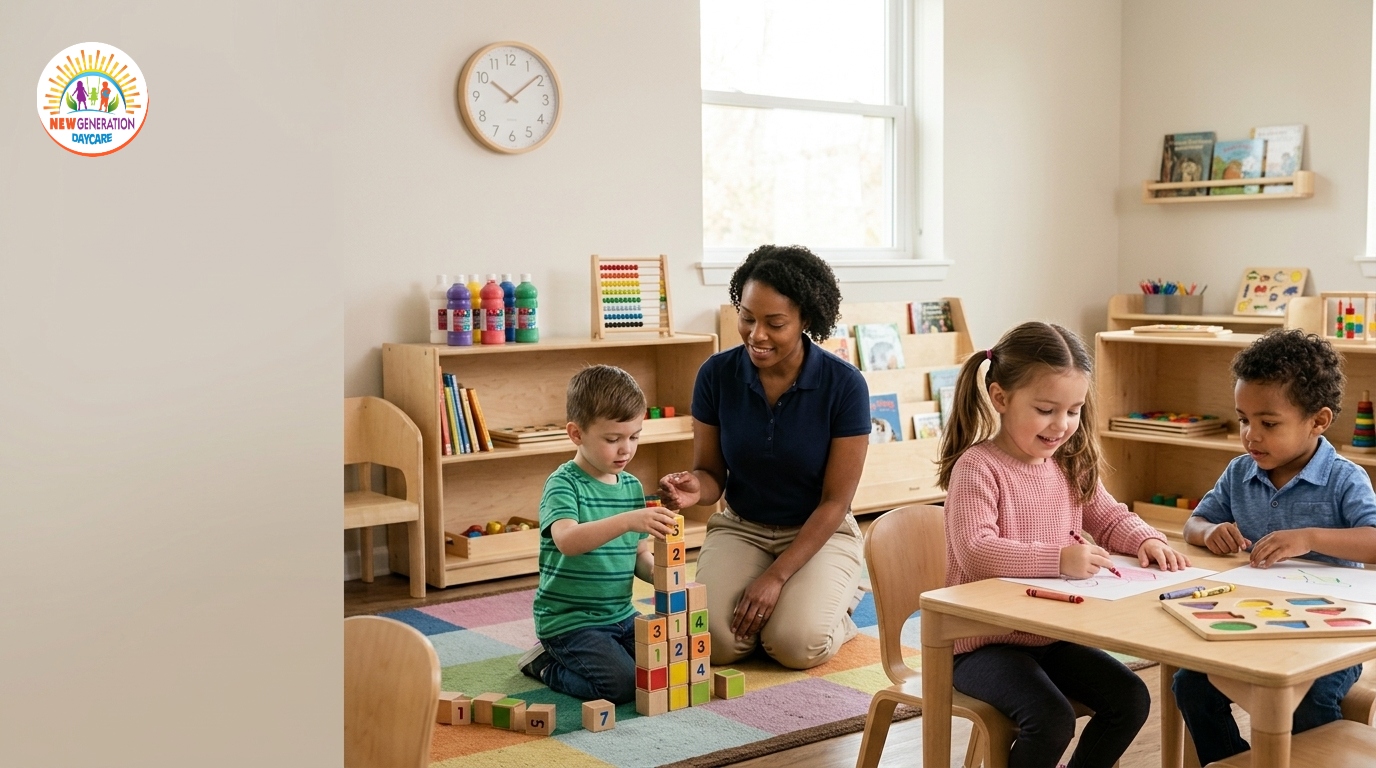
If you’re researching preschool options, one of the first practical questions that comes up is simple: how long is the school day actually going to be? The honest answer is that it depends. Preschool schedules vary based on the program itself, the age group being served, whether it’s structured as part-day or full-day, and how each individual school organizes its time.
Rather than focusing only on the number of hours, it often helps to look at how a preschool uses that time. A well-structured day balances learning, play, meals, rest, and social interaction, which usually matters more to a young child’s experience than the total hour count on its own.
How Long Is a Typical Preschool Day?
Preschool programs generally fall into a few broad categories:
- Part-day preschool: Often just a couple of hours, focused on a shorter block of structured activities and play.
- Half-day preschool: Typically covers a morning or afternoon session, longer than a part-day program but shorter than a full workday.
- Full-day preschool: Usually spans most of a standard workday, giving time for learning, play, meals, and often a rest period.
There’s no single “standard” schedule across all preschools. Program length often depends on the school’s overall structure, the age group in a given classroom, and the needs of the families it serves. Because of this range, it’s worth asking any specific program directly about its actual hours rather than assuming one schedule applies everywhere.
What Does a Typical Preschool Day Include?
While exact timing varies by school, many preschool days are built around a similar general flow:
- Arrival and morning routine: Children settle in, greet teachers, and transition into the classroom.
- Circle time: A group gathering often used for songs, discussion, or introducing the day ahead.
- Learning activities: Structured or guided activities focused on early academic or developmental skills.
- Creative activities: Art, music, or imaginative play.
- Indoor and outdoor play: Time for movement, exploration, and physical activity.
- Snack or mealtime: A break that also supports social interaction.
- Rest or quiet time: Common in longer or full-day programs, though not universal.
- Storytime: Often used to support early literacy and listening skills.
- Social activities: Group play or collaborative tasks.
- Departure routine: A wind-down period before pickup.
Not every preschool includes all of these elements, and the order and timing can look different from one classroom to the next, especially across different age groups.
Why Preschool Schedules Matter for Young Children
The structure of a preschool day isn’t just about logistics; it plays a real role in how comfortable and engaged a young child feels. A predictable routine can help children:
- Feel more comfortable and secure in the classroom
- Build independence by knowing what comes next
- Develop social skills through consistent group interaction
- Practice communication during structured and unstructured moments
- Transition more smoothly between activities
- Begin forming early learning habits
Children generally do well when they can anticipate the general shape of their day, even if they don’t know the exact clock time for each activity.
What Should Staten Island Parents Look for in a Preschool Schedule?
When comparing preschool programs in Staten Island, it can help to think beyond the total number of hours and consider:
- The overall length of the school day
- Whether activities are age-appropriate for your child
- A reasonable balance between structured learning and free play
- Whether outdoor activity is part of the daily routine
- How meals or snacks are handled
- Whether a rest or quiet period is included
- How flexible the schedule is for your child’s developmental needs
- How convenient drop-off and pick-up times are for your family
- Whether the schedule realistically fits your household’s routine
Since these details vary by school, it’s worth asking directly about a program’s daily structure before enrolling.
Understanding the New Generation Learning Center’s Preschool Program
At New Generation Learning Center, the preschool program in Staten Island is built around a mix of early academic and developmental activities. Children work on foundational numerical skills, including counting to 10 and identifying and counting objects, as part of the center’s curriculum. The program also includes imaginative play with props to encourage creativity and dramatic arts, along with activities that support social and emotional growth and critical thinking.
Physical development is part of the day as well, with structured activities and games that support gross motor skills, along with practice with pencil grip and early writing techniques to build fine motor coordination. The program is guided by certified early childhood education teachers, and creative expression is encouraged through art classes and annual performances.
For specific details on daily hours and scheduling, it’s best to contact the center directly, since exact timing can vary and isn’t something to assume from general program information.
Questions Parents Should Ask About Preschool Hours
When you’re evaluating preschool programs, whether at New Generation Learning Center or elsewhere, these questions can help you get a clearer picture:
- How long is the preschool day, from drop-off to pickup?
- Is the program structured as part-day, half-day, or full-day?
- What does a typical day look like from start to finish?
- Are meals or snacks included as part of the schedule?
- Is there a rest or quiet period built into the day?
- How much time is spent on structured learning versus open play?
- What are the drop-off and pick-up procedures?
Asking these questions directly gives you accurate, up-to-date answers specific to the program you’re considering.
Final Thoughts
There’s no single “right” length for a preschool day; the best schedule is the one that offers a healthy mix of learning, play, social interaction, and routine while genuinely fitting your family’s needs. Paying attention to how a program structures its time, not just how many hours it runs, can tell you a lot about what your child’s day will actually feel like.
If you’d like to learn more about how a typical day unfolds at New Generation Learning Center, or you have specific questions about scheduling, reaching out to the center directly is the best way to get current, accurate details.
Frequently Asked Questions
How long is a typical preschool day?
Preschool day length varies by program, ranging from a couple of hours for part-day options to a full workday for full-day programs. It’s best to check directly with a specific school for its exact hours.
Is preschool usually half-day or full-day?
Both formats are common, and which one a family chooses often depends on work schedules and childcare needs. Many preschools offer one or both options.
What does a preschool child do during the day?
A typical day often includes circle time, learning activities, creative projects, indoor and outdoor play, snack time, and storytime, though the specific mix varies by school and age group.
Do preschoolers have naps or quiet time?
Many full-day preschool programs include a rest or quiet period, especially for younger preschool-age children, though this isn’t universal across all schools.
How many hours should a preschooler spend in school?
This depends on the family’s needs and the child’s age and temperament. There’s no single number that fits every child, which is why it’s worth discussing options directly with a preschool.
What should parents consider when choosing preschool hours?
Consider your family’s daily schedule, your child’s stamina and temperament, whether the program includes rest and meal times, and how well the overall daily structure fits your routine.
How Play-Based Learning Supports Early Childhood Development
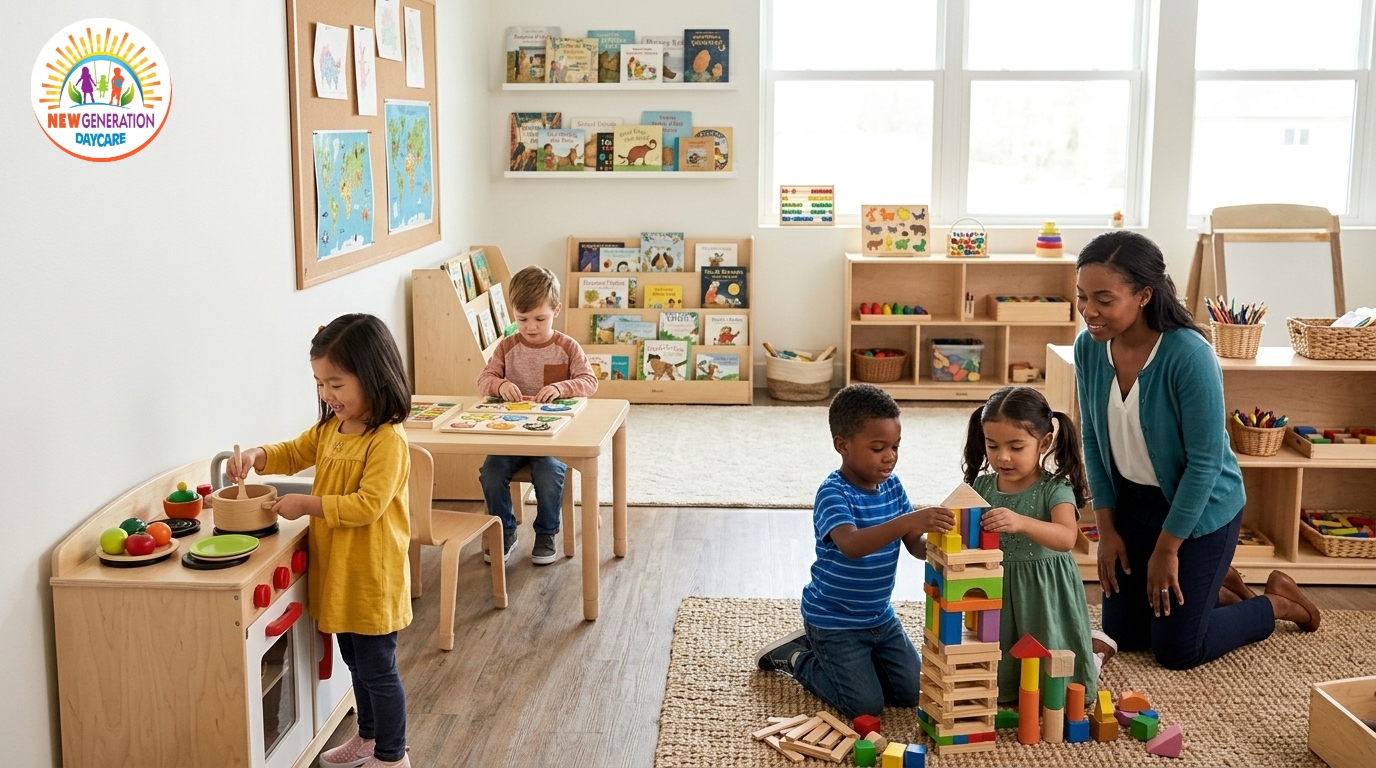
Watch a young child for even a few minutes and you’ll notice something: they’re always doing something. Stacking blocks, pretending to cook dinner, chasing a ball, asking why the sky is blue. Children explore the world by moving, experimenting, imagining, and interacting with the people around them. This is how they learn, long before formal instruction ever enters the picture.
Play isn’t just downtime between “real” learning. When it’s thoughtfully supported, play can become a rich, natural context for children to build skills across nearly every area of development. This is often referred to as play-based learning, and understanding how it works can help parents feel more confident about what their child is really gaining through everyday play, whether at home or in a classroom setting in Staten Island.
What Is Play-Based Learning?
Play-based learning is an approach where children build skills and understanding through activities that involve exploration, imagination, problem-solving, movement, creativity, communication, and social interaction. Instead of sitting through direct instruction, children learn concepts by doing: building, pretending, sorting, moving, and talking with others along the way.
It’s worth noting the difference between play-based learning and simply letting children play unsupervised. Both involve genuine, child-led play, but play-based learning also involves some intentional thought behind it. A teacher or parent might set up an environment with specific materials, ask an open-ended question at just the right moment, or introduce a new word during pretend play. The child still leads the activity and stays actively engaged, but the surrounding environment is designed to support learning along the way.
Why Is Play Important in Early Childhood?
Play gives young children a low-pressure way to explore their surroundings, make their own choices, and try out new skills without the fear of getting something “wrong.” Through play, children test ideas, learn from small mistakes, and build confidence as they figure things out.
Play also gives children regular chances to interact with others, which naturally supports curiosity and social awareness. A child stacking blocks isn’t just building a tower, they’re testing balance, adjusting their approach when it falls, and often inviting a friend to help. None of this requires play to guarantee specific academic outcomes; it simply creates meaningful, repeated opportunities for growth across many areas at once.
7 Ways Play-Based Learning Supports Child Development
1. Cognitive Development and Problem-Solving
Activities like puzzles, block building, sorting games, and pretend scenarios ask children to think through choices, notice patterns, and work out simple problems on their own. A child trying to fit puzzle pieces together, for example, is practicing spatial reasoning and trial-and-error thinking without even realizing it.
Sorting toys by color or size, figuring out how to balance a block tower, or working out how many spoons are needed for a pretend tea party are all small, everyday moments of problem-solving.
2. Language and Communication Skills
Pretend play, storytelling, and group activities give children real reasons to use language. A child narrating a pretend story, asking a friend to pass a toy, or explaining the rules of a made-up game is practicing vocabulary, listening, and conversation skills all at once.
Role-play in particular tends to encourage new vocabulary, since children often try out words and phrases they’ve heard adults use in real-life situations, like “May I take your order?” during pretend restaurant play.
3. Social Skills and Cooperation
Group play naturally requires children to practice sharing, taking turns, and working with others toward a shared goal, whether that’s building a fort together or acting out a story with friends. These moments also involve negotiation, like deciding who plays which role in a pretend game.
Children often need some adult guidance while learning these skills. A teacher or parent stepping in to help two children take turns with a toy isn’t interrupting play, it’s supporting the social learning happening within it.
4. Emotional Development and Self-Regulation
Play gives children a safe space to express emotions and try out different perspectives. Pretend play, in particular, often lets children act out situations that mirror real feelings, like putting a stuffed animal “to bed” after a hard day or acting out a disagreement between characters.
This kind of play can support coping and confidence over time, though it doesn’t eliminate emotional ups and downs. Big feelings are still a normal part of growing up.
5. Creativity and Imagination
Open-ended play, such as drawing, building, dress-up, or inventing stories, gives children room to come up with their own ideas rather than following a single set of instructions. There doesn’t need to be one “correct” way to build a tower or one “right” ending to a pretend story.
This kind of freedom is part of what makes creative play valuable: children get to practice generating and testing their own ideas, which is a skill that extends well beyond the playroom.
6. Fine and Gross Motor Development
Physical play supports both small and large muscle movements. Fine motor skills get practice through activities like drawing, cutting, building with small blocks, and completing puzzles. Gross motor skills develop through running, jumping, climbing, balancing, dancing, and outdoor games.
Both types of movement help children build physical coordination and confidence, whether they’re carefully stacking small blocks or racing across a playground.
7. Independence, Confidence, and Decision-Making
Play often involves small, age-appropriate decisions: which materials to use, how to build something, which role to take in a pretend game, or whether to try a new activity. Making these choices, even small ones, helps children practice independence and build confidence in their own ideas.
Supportive adults play an important role here too, stepping back enough to let a child work through a decision or a challenge on their own, rather than taking over the activity for them.
Examples of Play-Based Learning Activities
Here are a few everyday activities and the kinds of skills children can practice through them:
|
Activity |
What Children Can Practice |
|
Building with blocks |
Problem-solving, spatial awareness, creativity |
|
Pretend restaurant |
Language, social skills, counting |
|
Puzzles |
Problem-solving, concentration |
|
Storytelling |
Vocabulary, communication, imagination |
|
Water or sand play |
Exploration, sensory learning, coordination |
|
Art activities |
Creativity, fine motor skills |
|
Outdoor obstacle courses |
Balance, coordination, confidence |
|
Sorting games |
Early math, classification, observation |
These are simply examples of skills children can practice through play, not guarantees of a specific developmental outcome.
How Teachers Can Support Play-Based Learning
In a classroom setting, effective play-based learning usually involves intentional teaching rather than simply stepping back and letting children play alone. Teachers often support this kind of learning by:
- Preparing engaging, age-appropriate learning environments
- Offering materials that invite exploration
- Observing children’s interests and building on them
- Asking open-ended questions during play
- Introducing new vocabulary naturally
- Helping children navigate cooperation and turn-taking
- Extending a child’s thinking with a follow-up question or idea
- Allowing room for experimentation and mistakes
- Balancing child-led play with more guided activities
This kind of intentional support is really what separates play-based learning from unstructured playtime.
How Parents Can Encourage Learning Through Play at Home
You don’t need a room full of educational toys to support learning through play. Some simple, low-cost ideas include:
- Reading stories together and acting them out
- Building with blocks or household items
- Letting your child help sort laundry or toys by color or type
- Playing pretend games together
- Counting objects during everyday tasks, like setting the table
- Drawing or creating simple art projects
- Playing turn-taking games as a family
- Exploring outdoors and talking about what you notice
- Asking “What do you think will happen?” during an activity
- Letting your child make small choices during play
The real value comes from interaction, curiosity, and conversation, not from expensive materials.
Play-Based Learning in Preschool
A quality preschool environment often brings play-based learning to life by combining play with early academic concepts, social interaction, language development, creative activities, physical movement, and daily routines, all guided by a teacher who understands how young children learn.
If you’re comparing early-learning options, it’s worth asking a prospective preschool program in Staten Island how play is incorporated into their daily learning environment, and how teachers connect that play to their broader early childhood curriculum. As children grow older and move toward a Pre-K program in Staten Island, play often continues to play a role even as academic structure increases.
What Should Parents Look for in a Play-Based Learning Environment?
When evaluating an early-learning center, it can help to look for:
- Safe, age-appropriate materials
- Opportunities for child-led exploration
- Supportive, attentive teachers
- Open-ended activities without a single “correct” outcome
- A mix of indoor and outdoor play
- Regular opportunities for group interaction
- Room for creativity and imagination
- A thoughtful balance between guided learning and independent play
- Activities suited to each child’s developmental stage
If you’re weighing several options, it can help to understand more generally what to look for in an early learning center before making a decision.
Final Thoughts
Play is one of the most natural and effective contexts for early childhood learning. Through everyday play, children have the chance to build cognitive, language, social, emotional, creative, physical, and independence skills, often all within a single afternoon of building, pretending, and exploring.
If you’d like to see how play and learning come together for young children, feel free to explore early learning in Staten Island with New Generation Learning Center.
Frequently Asked Questions
What is play-based learning?
Play-based learning is an approach where children build skills through activities involving exploration, imagination, and hands-on experiences, often supported by intentional guidance from a teacher or parent rather than direct instruction alone.
Why is play important for early childhood development?
Play gives children low-pressure opportunities to explore, make choices, test ideas, and interact with others, which supports growth across cognitive, social, emotional, and physical development.
What are the benefits of play-based learning?
Play-based learning can support problem-solving, language development, social skills, emotional growth, creativity, motor coordination, and independence, often through the same everyday activities.
How can parents use play-based learning at home?
Parents can encourage learning through play by reading together, building with blocks, playing pretend games, counting during daily routines, and asking open-ended questions during everyday activities.
Is play-based learning appropriate for preschool children?
Yes. Play-based learning is widely used in early childhood settings because it aligns with how young children naturally explore and understand the world around them.
Kindergarten Readiness Checklist: 10 Skills Your Child Should Develop Before Kindergarten
Kindergarten is a big milestone, and it’s natural for parents to wonder whether their child is truly ready for it. Many families in Staten Island start asking this question during the preschool or pre-K year, often after hearing about “kindergarten readiness” from a teacher, a friend, or a school open house.
Here’s something worth knowing upfront: kindergarten readiness is about a lot more than knowing letters and numbers. It also includes how a child communicates, plays with others, manages emotions, follows routines, and handles simple daily tasks on their own. This checklist is meant to give you a realistic, supportive picture of the skills that tend to help children settle into kindergarten, not a pass-or-fail test.
What Does Kindergarten Readiness Mean?
Kindergarten readiness is really a mix of several areas of development working together. It generally includes:
- Academic foundations, like early letter and number awareness
- Social skills, such as sharing and cooperating with peers
- Emotional regulation, including coping with frustration
- Communication skills, like expressing needs and following directions
- Independence with everyday tasks
- Physical and motor development
- The ability to follow classroom routines and instructions
No child arrives at kindergarten with every single one of these skills fully developed, and that’s expected. Teachers plan for a wide range of abilities in any classroom. Readiness is best thought of as a general direction of growth, not a checklist that has to be fully checked off before day one.
Kindergarten Readiness Checklist: 10 Skills to Develop
- Recognizing Letters and Basic Sounds
At this stage, many children are becoming familiar with letters, especially the ones in their own name, and starting to understand that letters represent sounds. This early awareness lays some groundwork for reading, though most children are still in the early stages of this process.
To help at home, point out letters during everyday moments, like on signs or cereal boxes, and spend time sounding out your child’s name together. - Early Number and Counting Skills
Basic number sense includes counting objects, recognizing a few numbers, and understanding simple comparisons like “more” and “less.” Children don’t need to do complex math, but a general comfort with counting can help in a kindergarten classroom.
Everyday counting, like counting stairs, snacks, or toys during cleanup, is a simple way to build this skill naturally. - Listening and Following Instructions
Kindergarten classrooms rely heavily on children being able to listen to a teacher and follow simple, multi-step directions, like “put your folder away and sit on the carpet.” This skill takes practice and develops gradually.
At home, try giving two-step instructions during daily routines, such as “put your shoes on, then grab your backpack.” - Communication and Expressing Needs
Being able to speak clearly enough to communicate basic needs, ask questions, and answer simple questions helps children participate in classroom life and interact with teachers and classmates.
Everyday conversation, encouraging your child to describe their day, and asking open-ended questions all support this kind of communication growth. - Social Skills and Playing With Others
Sharing, taking turns, cooperating during group activities, and beginning to understand classroom expectations are all part of the social side of kindergarten readiness. These skills often develop through repeated practice with other children.
Playdates, group activities, and simple turn-taking games at home all give children a chance to practice. - Emotional Regulation
Kindergarten asks children to manage a full day of transitions, group activities, and new social situations. Part of readiness involves gradually learning to identify feelings, cope with frustration, and know when to ask an adult for help.
This doesn’t mean children shouldn’t cry or get upset — that’s a normal part of growing up. It simply means they’re slowly building the tools to handle big feelings with support.
Naming emotions together (“It looks like you’re feeling frustrated”) can help children build this awareness over time. - Independence and Self-Help Skills
Kindergarten classrooms expect a certain level of self-sufficiency with daily tasks, including:- Using the bathroom independently
- Washing hands
- Putting on and taking off simple clothing items
- Managing a backpack
- Cleaning up after activities
- Eating independently
- Practicing these tasks at home, even in small ways, can build confidence before the school year starts.
- Fine Motor Skills
Many classroom activities rely on fine motor coordination, including:- Holding crayons or pencils
- Drawing and coloring
- Cutting with child-safe scissors
- Using glue
- Manipulating small classroom materials, like puzzle pieces or blocks
- These skills tend to develop through regular hands-on play, drawing, and craft activities rather than formal practice.
- Attention and Classroom Participation
Kindergarten requires children to sit for group activities, listen during instruction, and transition between tasks throughout the day. This ability builds gradually, and it’s worth keeping expectations realistic — most five-year-olds are still developing longer attention spans, not mastering them.
Reading together, playing simple games with rules, and practicing short focused activities at home can all help build this skill over time. - Gross Motor Skills and Physical Confidence
Basic movement skills, like running, jumping, balancing, and climbing, support recess, physical education, and general classroom mobility. Comfort with movement also tends to support overall confidence in a new environment.
Outdoor play, active games, and simple movement activities all contribute to this kind of physical development.
How Parents Can Prepare Their Child for Kindergarten
Beyond the specific skills above, there are simple, everyday habits that support kindergarten readiness as a whole:
- Read together daily, even for just a few minutes
- Practice counting during everyday activities, like grocery shopping
- Let your child help with simple household tasks
- Practice getting dressed independently
- Play turn-taking games as a family
- Encourage your child to explain how they’re feeling
- Practice opening lunch containers, backpacks, and zippers
- Create simple, predictable routines at home
- Visit a school or classroom environment ahead of time if possible
None of these need to feel like formal lessons. Most of this readiness-building happens naturally through everyday family life.
What If My Child Isn’t Ready for Every Skill?
If you read through this checklist and notice a few areas where your child could use more practice, that’s completely normal. Children develop at different rates, and being less confident in one area doesn’t mean a child isn’t ready for kindergarten overall.
A few helpful next steps:
- Talk with your child’s current preschool or pre-K teacher about their observations
- Identify one or two specific areas to focus on through everyday play
- Build skills gradually rather than trying to “fix” everything at once
- Avoid comparing your child’s progress to other children’s
- Give your child time, patience, and encouragement along the way
Readiness tends to come together over time, often with support from both home and school.
How Preschool and Pre-K Can Support Kindergarten Readiness
A quality early-learning environment can support many of the skills covered above at once. A good preschool program in Staten Island typically builds early academic awareness alongside social skills, communication, and independence through daily classroom routines and guided play.
As children move into pre-K programs in Staten Island, the focus often shifts toward more structured preparation for kindergarten, including early literacy, number sense, and classroom participation. This kind of progression, supported by a thoughtful early childhood curriculum, gives children repeated, age-appropriate practice with the exact areas that tend to matter most once kindergarten begins.
If you’re considering an early-learning program for your child, visiting in person and asking about daily routines is a good way to see how a classroom supports these skills firsthand — many families find it helpful to schedule a tour before making a decision.
Final Thoughts
Kindergarten readiness isn’t about passing a test or checking every box on a list. It’s about a child building a balanced set of skills over time, including academics, social connection, emotional awareness, independence, and physical confidence. Progress, curiosity, and a willingness to try are often just as meaningful as any single skill.
If you’d like to learn more about how early-learning programs can support your child’s growth before kindergarten, feel free to explore New Generation Learning Center and our early-learning programs in Staten Island.
Frequently Asked Questions
What should a child know before starting kindergarten?
Children benefit from a mix of skills, including early letter and number awareness, communication, social skills, independence with daily tasks, and the ability to follow simple routines. No single skill determines readiness on its own.
How can I tell if my child is ready for kindergarten?
Look at overall progress across academic, social, emotional, and independence skills rather than one specific ability. Talking with your child’s current teacher can also offer helpful, personalized insight.
What social skills are important for kindergarten?
Sharing, taking turns, cooperating during group activities, and beginning to understand classroom routines are all valuable social skills that support a smoother kindergarten transition.
How can I prepare my child for kindergarten at home?
Simple daily habits help, such as reading together, practicing counting, encouraging independence with dressing and cleanup, and playing turn-taking games as a family.
Does my child need to know how to read before kindergarten?
No. Most kindergartens expect early literacy awareness, like recognizing some letters and sounds, rather than full reading ability. Reading skills typically develop further during the kindergarten year itself.
How Preschool Helps Children Build Social Skills and Friendships
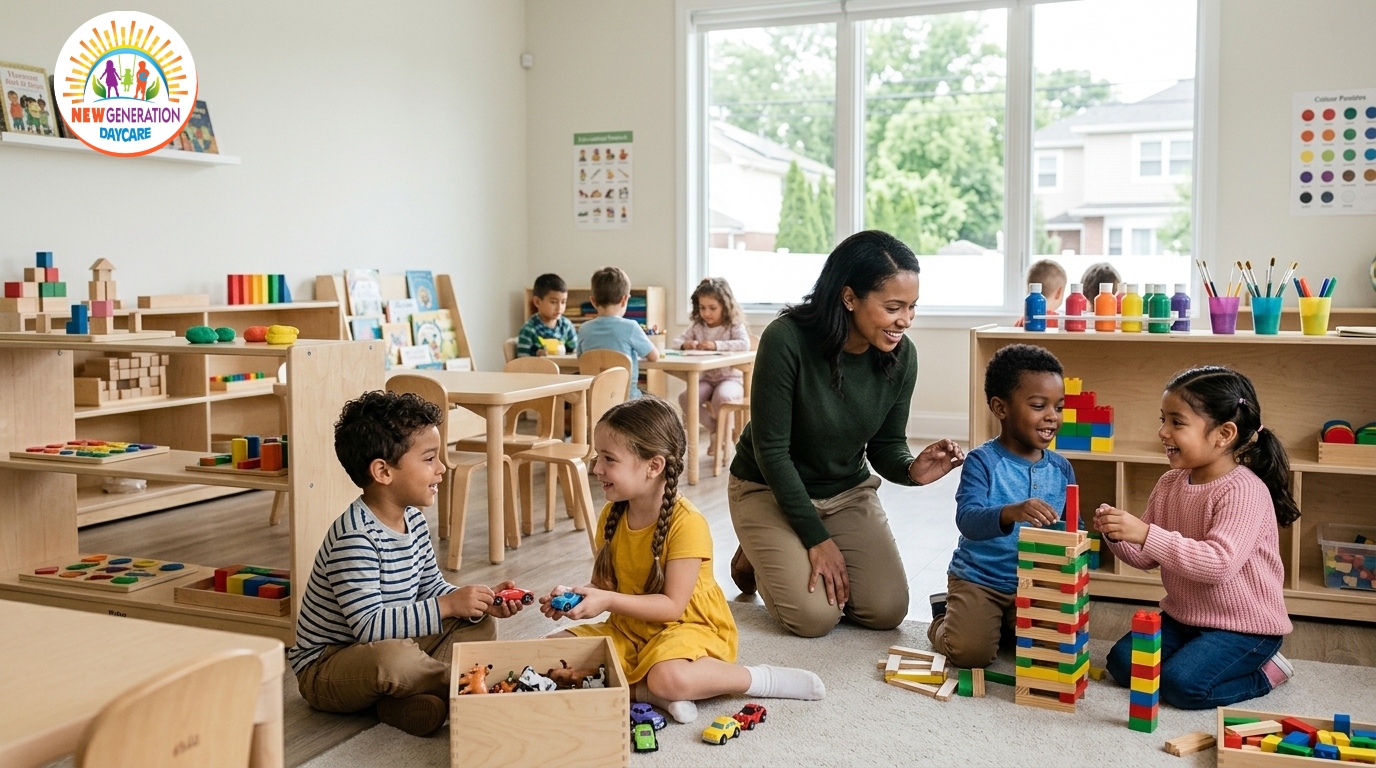
The preschool years are often when children start spending real time away from home, interacting with other kids their own age on a regular basis. For many families, this is the first time a child has to share space, take turns, and work out small disagreements without a parent stepping in immediately. It’s a big shift, and it’s also one of the most valuable parts of early childhood education.
For parents in Staten Island exploring preschool options, social development is often just as important as academics. A good preschool environment gives children consistent, low-pressure opportunities to communicate, cooperate, and start building friendships, all while learning at their own pace.
Why Social Skills Matter During the Preschool Years
Preschool-age children are still learning the basics of getting along with others. Skills like communicating clearly, listening, sharing, and taking turns don’t come naturally right away. They develop gradually, through repeated practice and guidance.
Some of the social skills children typically work on during this stage include:
- Communicating wants and needs
- Listening to others
- Sharing materials and toys
- Taking turns during games or activities
- Cooperating with classmates
- Following group routines
- Expressing feelings in appropriate ways
- Asking an adult for help when needed
- Building early relationships with peers
It’s worth remembering that children reach these milestones at different rates. A preschool classroom simply gives them regular chances to practice.
How Preschool Helps Children Make Friends
Spending time in a classroom with the same group of peers day after day naturally creates opportunities for friendship. Preschool gives children a chance to meet other kids, start simple conversations, and take part in shared play on a consistent basis.
Over time, children often discover common interests with classmates, whether that’s a favorite game, a shared love of building blocks, or an interest in the same story. Repeated interaction also builds familiarity and trust, which are the early building blocks of friendship.
That said, not every child forms friendships at the same pace, and preschool can’t guarantee specific social outcomes. What it can offer is a steady, supportive setting where those relationships have room to grow.
Social Skills Children Can Practice in Preschool
Sharing and Taking Turns
Classroom activities and group play regularly call for waiting, sharing materials, and taking turns, whether it’s during a game or while using a popular toy. These small, repeated moments help children get more comfortable with patience and fairness.
Communication
Preschool gives children daily chances to practice listening, speaking up, asking questions, and expressing their needs in words rather than frustration.
Cooperation
Group projects, games, and collaborative play all require children to work with others toward a shared goal, which helps build early teamwork skills.
Managing Feelings
Preschoolers are also learning to recognize their own emotions and express them appropriately, and to seek out an adult when they need support working through a big feeling.
Conflict Resolution
Disagreements are a normal part of group play. With a teacher’s guidance, children can begin learning simple, age-appropriate ways to work through conflicts, like taking turns talking or finding a compromise.
Preschool Activities That Encourage Social Development
Many everyday preschool activities create natural opportunities for social interaction, including:
- Group story time
- Circle time
- Cooperative games
- Pretend and imaginative play
- Art projects
- Building activities
- Music and movement
- Outdoor play
- Small-group activities
These activities work well for social development because they require communication and cooperation as a natural part of the task, not as a separate lesson.
The Role of Teachers in Building Social Skills
Preschool teachers play a big part in how comfortable children feel navigating social situations. A supportive teacher can help by:
- Modeling respectful, clear communication
- Guiding children through group activities
- Helping children understand classroom expectations
- Supporting children through disagreements
- Encouraging cooperation between classmates
- Making sure every child has a chance to participate
This kind of steady guidance helps children build confidence in social settings over time.
What Staten Island Parents Should Look for in a Preschool
When comparing preschool options in Staten Island, it helps to look specifically at how a program supports social development, not just academics. Consider:
- A safe, nurturing classroom environment
- Regular opportunities for peer interaction
- Age-appropriate activities and games
- Teachers who actively support children through group activities
- A healthy balance between structured learning and free play
- Clear, consistent classroom routines
- Open communication between teachers and parents
- A mix of group and individual activities
A preschool program in Staten Island that pays attention to these details tends to give children a more well-rounded early experience.
Supporting Social Skills at Home
Preschool isn’t the only place children build social skills. Parents can reinforce this growth at home with simple, everyday habits:
- Arrange age-appropriate playdates or group activities
- Practice taking turns during games at home
- Read stories about friendship and emotions together
- Encourage your child to name and express their feelings
- Model respectful, calm communication
- Notice and praise positive social behavior when you see it
Small, consistent efforts at home can complement what children are already practicing in the classroom.
Building Social Skills at New Generation Learning Center
At New Generation Learning Center, our preschool program includes activities that naturally support social and emotional growth alongside early academics. Children take part in imaginative play using props to explore dramatic arts, which gives them regular chances to interact and build ideas together with classmates.
The program also promotes social and emotional growth through activities that develop critical thinking, helping children practice working through situations as part of a group. This is guided by certified Early Childhood Education teachers as part of our broader curriculum.
If you’d like to see how our preschool classroom supports social interaction firsthand, you’re welcome to schedule a tour of our Staten Island location.
Frequently Asked Questions
How does preschool help children develop social skills?
Preschool gives children regular, structured opportunities to interact with peers through group activities, play, and daily routines, which helps them practice communication, sharing, and cooperation.
How do preschoolers learn to make friends?
Consistent interaction with the same group of classmates over time helps children discover shared interests, build familiarity, and practice social skills that support early friendships.
What social skills should a preschooler develop?
Common social skills include communicating needs, listening, sharing, taking turns, cooperating with others, and beginning to manage emotions and simple conflicts. Children develop these at their own pace.
What preschool activities help children build friendships?
Activities like group story time, circle time, cooperative games, pretend play, and small-group projects all create natural opportunities for children to interact and connect with peers.
How can parents support social skills at home?
Parents can reinforce classroom learning by arranging playdates, practicing turn-taking, reading books about friendship and emotions, and modeling respectful communication at home.
Preschool Daily Schedule: What Does a Typical Day Look Like for Children?
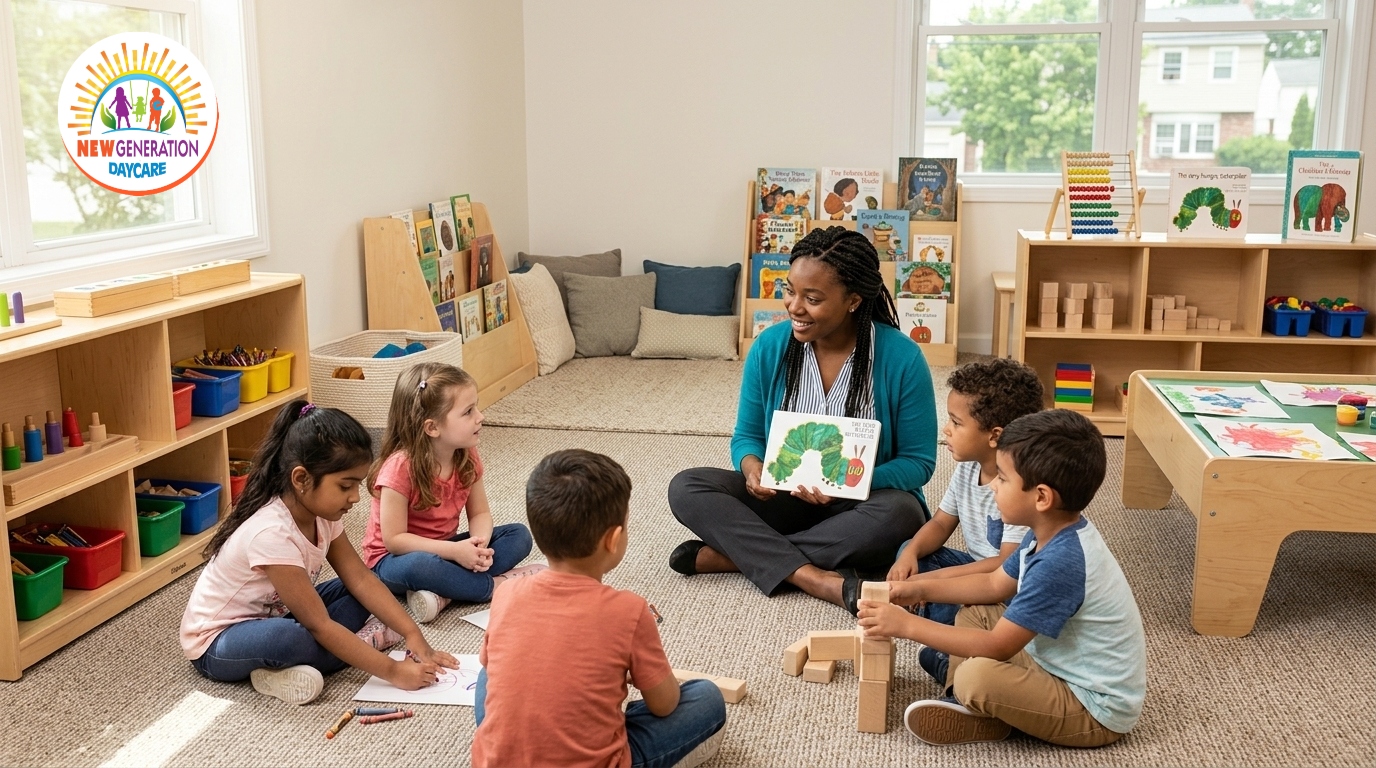
If you’re a parent researching preschool options, you’ve probably wondered what your child’s day actually looks like once you drop them off. It’s a fair question. A preschool day is built around more than just supervision; it usually follows a rhythm designed to help children feel settled, engaged, and ready to participate.
Understanding a typical preschool daily schedule can also help you compare programs and figure out what matters most for your child’s age and personality.
What Does a Typical Preschool Day Look Like?
Most preschool programs follow a general daily routine that balances structured learning, free play, movement, and rest. While the exact order and timing differ from school to school, a typical preschool day usually includes:
- A welcoming arrival period
- Group or circle time
- Hands-on learning activities
- Snack or mealtime
- Outdoor or active play
- Creative activities like art or music
- Story or reading time
- A calm wind-down before pickup
The specific mix depends on the school, the age group, and even the day itself.
Sample Preschool Daily Schedule
To give you a general sense of what a preschool day might include, here’s a sample daily routine. This is an illustrative example only; actual schedules vary by program, classroom, and children’s individual needs.
Arrival and Greeting
Children arrive and are welcomed into the classroom, often with a simple morning routine like hanging up belongings or choosing a quiet activity.
Morning Circle Time
The class gathers as a group for songs, a calendar routine, or a discussion about the day ahead. This is often when early literacy and communication skills get practiced.
Learning Activities
Teachers guide small or large groups through hands-on activities focused on early math, language, or problem-solving.
Snack Time
A short break for a snack, which also gives children a chance to socialize in a more relaxed setting.
Outdoor or Active Play
Time outside or in a gym space supports physical activity and gross motor development.
Creative Activities
Art, music, or imaginative play activities give children room for creative expression.
Story or Reading Time
A quieter part of the day focused on listening skills and early literacy.
Rest or Quiet Time
Depending on the age group, this may include a nap or a calmer, low-stimulation activity.
End-of-Day Routine
A wind-down period before pickup, often including cleanup and a closing group activity.
Again, this is a general example; every preschool structures its day a little differently based on its own approach and the needs of its students.
What Do Children Learn During the Day?
Even in a single day, preschool activities tend to touch on several areas of development at once:
- Language and literacy, through conversation, story time, and vocabulary-building activities
- Early math concepts, through counting, sorting, and hands-on activities
- Social skills, through group activities, sharing, and cooperative play
- Communication, through group discussions and everyday interactions with peers and teachers
- Creativity, through art, music, and imaginative play
- Fine and gross motor skills, through activities like drawing, building with blocks, and outdoor play
- Independence, through daily routines like cleaning up or making simple choices
These areas naturally build on each other throughout the day rather than being taught in isolation.
Why Is a Preschool Routine Important?
A predictable routine gives young children something to rely on. When kids know roughly what to expect next, they tend to transition between activities more smoothly and feel more comfortable participating.
Routines also give children repeated opportunities to practice independence, like following classroom steps without constant reminders, and to build confidence in a familiar structure. Over time, this consistency can make the classroom feel like a safe, understandable place rather than an unpredictable one.
What Should Parents Look for in a Preschool Schedule?
When comparing preschool programs, it helps to look at how a school structures its day. A few things worth considering:
- Age-appropriate activities suited to your child’s developmental stage
- A reasonable balance between structured learning and free play
- Built-in time for movement and physical activity
- Regular opportunities for social interaction
- Flexible, well-managed transitions between activities
- Appropriate meal, snack, or rest periods for the age group
- An overall environment that feels safe and nurturing
Asking a school directly about its daily schedule is one of the best ways to understand whether the pacing and structure will suit your child.
Preschool at New Generation Learning Center in Staten Island
At New Generation Learning Center, our preschool program incorporates many of the developmental areas parents look for in a preschool day. Children work on early numeracy skills like counting to 10 and identifying objects, take part in imaginative play and dramatic arts, and build both gross and fine motor skills through structured activities and early writing practice.
Certified Early Childhood Education teachers guide the program and is part of our broader curriculum, which continues to build on these skills as children progress toward our Pre-K program.
If you’d like to see how a day unfolds in our classroom, you’re welcome to schedule a tour and get a firsthand look at our preschool program in Staten Island.
Frequently Asked Questions
What does a typical preschool day look like?
A typical preschool day generally includes arrival time, group activities, hands-on learning, outdoor play, creative activities, and a rest or quiet period, though the exact schedule varies by program.
How long is a preschool day?
Preschool day length varies significantly by program, ranging from a few hours to a full day. It’s best to check directly with a specific school about its hours.
What activities do children do in preschool?
Common preschool activities include circle time, early math and literacy exercises, art and creative play, outdoor time, and group social activities.
Why is a daily routine important for preschoolers?
A predictable routine helps children understand what to expect, transition more easily between activities, and build independence and confidence in the classroom.
How should parents choose a preschool program?
Consider the school’s daily structure, teacher qualifications, classroom environment, and how well the schedule and activities suit your child’s age and needs. Visiting the school and asking about a typical day can help you evaluate fit.
How to Prepare Your Child for Preschool in Staten Island: A Parent’s Guide
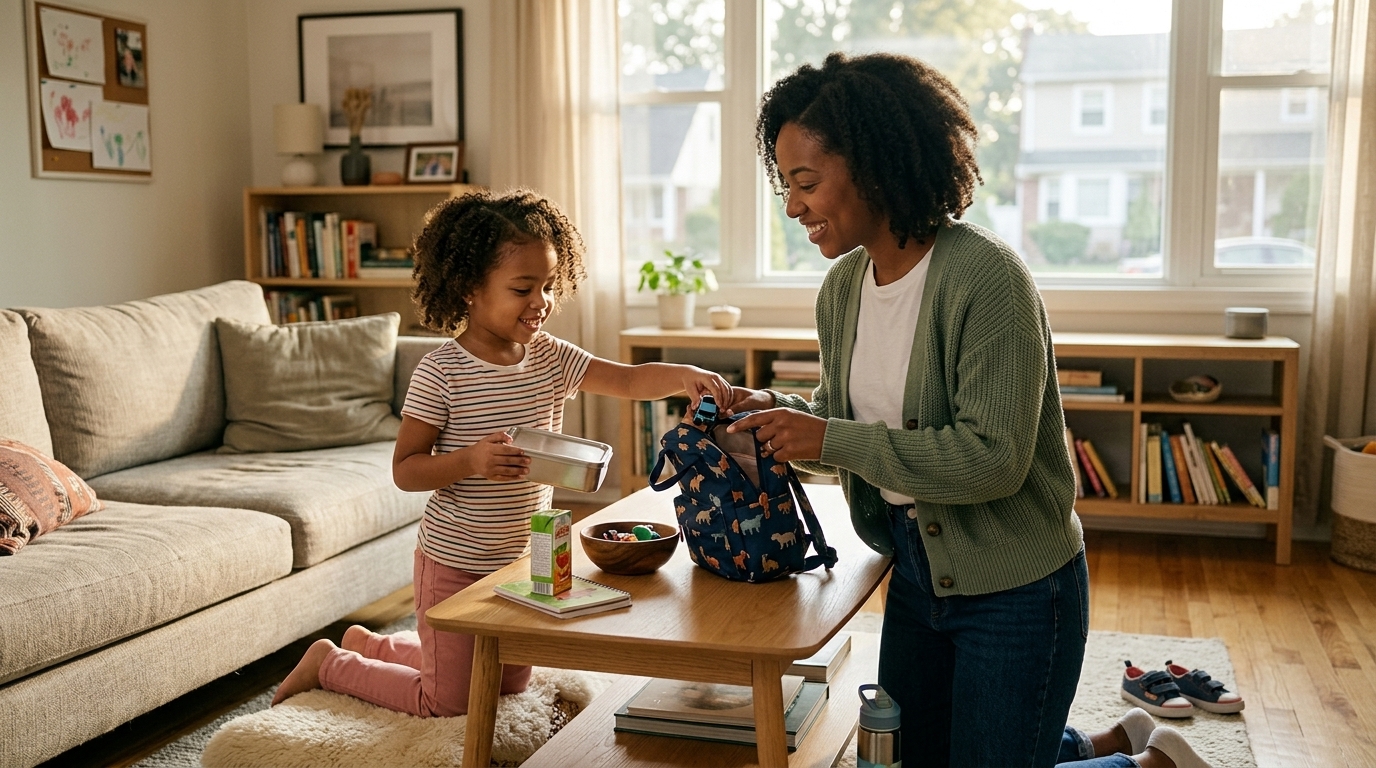
If you’re a few months out from your child’s first day of preschool, you’ve probably asked yourself some version of the same question more than once: Is my child ready?
It’s a fair question, and one almost every parent asks. The good news is that preschool readiness has very little to do with academics. Your child doesn’t need to know their letters, count to twenty, or sit quietly for an hour. What actually helps a child settle into preschool is something simpler: a bit of comfort with routines, some practice being away from you, and a few basic social and communication skills. This guide walks through what preschool readiness really looks like and how you can help your child feel more prepared without turning your living room into a classroom.
What Does Preschool Readiness Really Mean?
Preschool readiness isn’t a checklist of academic skills. It’s really about a handful of everyday abilities:
- Social development, some comfort being around other children, even if turn-taking is still a work in progress
- Emotional development, the beginning of self-regulation, like calming down after a frustration with some help
- Communication, being able to express basic needs, even in simple words or gestures
- Independence, trying small self-care tasks, even imperfectly
- Following simple routines, recognizing patterns like “after breakfast, we get dressed”
- Curiosity, a general interest in exploring, asking questions, and trying new things
It’s worth saying clearly: children develop at different rates. A child who’s more hesitant in groups or less verbal than a sibling was at the same age isn’t behind; they’re just on their own timeline. Preschool itself is part of how these skills develop, not something a child needs to have already mastered before walking in the door.
1. Practice Short Periods Away From You
If your child hasn’t spent much time away from you, preschool will be a big adjustment on day one. You can soften that by building in short separations ahead of time, a few hours with a grandparent, a trusted neighbor, or a babysitter.
Start small. Even 30–60 minutes apart, done a few times, helps a child learn that you leaving doesn’t mean you’re gone for good and that you always come back. Some children handle this easily; others get upset every time, even after repeated practice. That’s not unusual, and it doesn’t mean something is wrong; some kids just take longer to feel settled with separation. If you notice ongoing distress that doesn’t ease with time and practice, it’s worth mentioning to your pediatrician, who can offer guidance specific to your child.
2. Build a Consistent Preschool-Friendly Routine
Before the first day arrives, it helps to have a general daily rhythm in place, not a rigid schedule, just a predictable order to the day:
- Waking up around the same time each morning
- Getting dressed (even with help)
- Breakfast
- A bathroom routine
- Leaving the house at a similar time
- A rest or nap period
- A consistent bedtime
Predictability does a lot of the emotional work here. When a child already knows “this happens, then this happens,” a new setting like preschool feels less overwhelming, because at least part of the day still feels familiar.
3. Encourage Independence With Everyday Tasks
Preschool classrooms move through the day fairly independently; children put away their own things, wash their own hands, and manage small parts of their day on their own. You can start building these habits at home with simple, low-pressure practice:
- Putting toys away after playing
- Washing hands (even if you help finish the job)
- Practicing using the bathroom
- Putting on shoes, even if the fit isn’t perfect
- Carrying their own small backpack
- Eating independently at meals
- Asking an adult for help when something’s hard
None of these need to be mastered before day one. The goal is exposure and practice, not perfection; a child who’s tried these things a few times will adjust faster than one who’s never attempted them at all.
4. Help Your Child Practice Social Skills
A lot of what makes early group settings work smoothly comes down to a small set of social skills:
- Sharing (even if it’s still hard)
- Taking turns
- Listening when someone else is talking
- Joining an activity that’s already in progress
- Using words to ask for something instead of just reacting
- Playing near or with other children
- Following simple group rules, like raising a hand or lining up
These are skills that develop through repetition, not lectures. Playdates, library story times, or park visits all give kids low-stakes chances to practice being around peers, alongside the group interaction built into a good preschool program.
5. Make Communication a Daily Habit
The more comfortable a child is expressing themselves, the easier it is for a teacher to understand and support them. You can build this at home just through everyday conversation:
- Asking your child to describe how they’re feeling (Are you frustrated or tired?)
- Encouraging questions, even repetitive ones
- Practicing asking an adult for help
- Talking through the day at dinner or bedtime
- Giving simple, one- or two-step instructions to follow
This isn’t about vocabulary size; it’s about your child getting practice using words (or gestures, for children who are still developing verbal language) to express what they need.
6. Introduce Learning Through Play
Preparing for preschool doesn’t mean drilling flashcards or turning the house into a classroom. Some of the most useful preparation looks a lot like ordinary play:
- Reading together, even the same book repeatedly
- Simple puzzles
- Drawing and coloring
- Building with blocks
- Counting everyday objects, like stairs or snacks
- Singing songs, especially ones with repetition or hand motions
- Storytelling, including making up stories together
- Pretend play, kitchen sets, dress-up, stuffed animal “school”
These activities build language, problem-solving, and fine motor skills naturally, without pressure, and they mirror much of what’s built into an early childhood curriculum, helping a child feel that learning is something enjoyable, not stressful.
7. Talk About Preschool Before the First Day
Kids handle new situations better when they have some idea of what to expect. A few practical ways to prepare your child:
- Talk about preschool in a positive, matter-of-fact way
- Describe what a typical day might look like: playing, snack time, story time, friends
- Read children’s books about starting school
- Practice saying goodbye, even in a playful way
- Visit the center ahead of time if that’s an option
- Let your child ask questions, and answer them honestly
It’s fine to be honest that your child might feel a little nervous at first; most kids do. The goal isn’t to promise they’ll feel nothing at all, but to help them understand that nervous feelings at drop-off are normal and temporary.
8. Let Your Child Help Prepare for Preschool
Giving your child small choices in the preparation process can build a real sense of ownership and confidence:
- Picking out their backpack
- Choosing their first-day outfit
- Practicing opening their lunch container on their own
- Helping organize their supplies or cubby items
- Choosing a comfort item, if the center allows one
These are small decisions, but for a young child, having some say in the process can make the whole idea of preschool feel less like something that’s happening to them and more like something they’re part of.
9. What Children Do NOT Need to Know Before Preschool
This part matters, because a lot of parents feel unnecessary pressure here. Your child does not need to already:
- Read independently
- Write neatly, or at all
- Count to a high number
- Know every letter of the alphabet
- Sit still for long stretches
A good early learning environment is built to teach these skills gradually, through play and repetition, not to test for them on day one. If your child doesn’t have these skills yet, that’s not a readiness problem. That’s simply what preschool is for.
10. Questions to Ask a Preschool Before Enrollment
Whether you’re touring New Generation Learning Center or comparing a few preschools in Staten Island, it helps to go in with a few specific questions:
- What does a typical day look like for this age group?
- How do teachers help children adjust during the first few weeks?
- How are families updated about their child’s day?
- What does the classroom routine look like?
- How is social and emotional development supported in the classroom?
- What kinds of learning activities are included day to day?
- What are realistic expectations for independence at this age?
- How can parents reinforce learning at home?
A good preschool should be able to answer these clearly and specifically; vague answers are worth noting, and the center’s FAQ page is often a useful starting point for these kinds of questions.
How the New Generation Learning Center Supports Early Learning in Staten Island
At New Generation Learning Center, the approach to early learning is built around the same idea this guide has focused on: readiness develops gradually, through routine, play, and social experience, not through pressure or early academic drilling. Staten Island families considering preschool are encouraged to think of the first weeks as an adjustment period for both parent and child, not a test to pass on day one.
If you’re weighing preschool options in Staten Island and want to see how a classroom actually runs day to day, the most useful next step is usually a visit; it’s much easier to judge fit in person than from a website alone.
Preschool Readiness FAQ
What age should a child start preschool?
Most children start preschool between ages two and four, though the right age depends on the individual child and family circumstances rather than a fixed rule.
How can I tell if my child is ready for preschool?
Look for general comfort with brief separations, basic communication of needs, and some interest in being around other children, not academic skills. Readiness is more about temperament and daily habits than test-like milestones.
What skills should a child have before preschool?
Helpful (not required) skills include some independence with self-care tasks, basic communication, and comfort following simple routines. Academic skills like reading or counting high numbers aren’t expected.
How can I help my child with separation anxiety?
Practice short separations ahead of time, keep goodbyes brief and consistent, and talk about preschool positively beforehand. Some anxiety at drop-off is common and typically eases within the first few weeks; if it doesn’t, it’s worth discussing with your pediatrician.
What should my child know before starting preschool?
There’s no required academic knowledge. Familiarity with basic routines and some comfort communicating needs are more useful than specific facts or skills.
How can I establish a preschool routine at home?
Start a consistent daily rhythm a few weeks before preschool begins, with similar wake times, mealtimes, and bedtime, so the structure feels familiar once the school routine begins.
What should I ask when choosing a preschool in Staten Island?
Ask about a typical day, how teachers support adjustment, how families are kept informed, and how the classroom balances social, emotional, and early academic development.
What to Look for When Choosing a Child Care Center in Staten Island
Choosing a child care center isn’t like picking a restaurant or a gym. You’re deciding where your child will spend a significant part of their day, possibly most of their waking hours during the week. That makes it worth slowing down and actually knowing what to look for, rather than relying on a website’s photos or a five-star review.
A good child care center does more than supervise children until pickup. It provides responsive caregiving, age-appropriate learning, consistent routines, opportunities for social interaction, and clear communication with families. Some of that is visible in a website description. Most of it isn’t; you have to see it, ask about it, and sometimes compare it against another center to know if it’s actually a good fit.
This guide walks through what to look for, what to ask, and how to evaluate what you see, so that by the time you’re comparing options, you’re doing it with real information instead of guesswork.
1. Check Licensing and Basic Safety Standards
Licensing is the baseline, not the whole picture, but it’s still the first thing worth confirming. A licensed center is required to meet specific health, safety, and operational standards set by the relevant regulatory body, and parents are generally entitled to ask about this directly.
Questions worth asking:
- Is the center currently licensed, and by which agency?
- Can parents see or verify licensing information?
- What health and safety procedures are followed day to day?
- How does the center handle medical emergencies?
- Who is authorized to pick up a child, and how is that verified?
- How is access to the building controlled during the day?
New Generation Learning Center is licensed by the NYC DOHMH – Bureau of Child Care, according to the center’s FAQ page. That’s a reasonable example of the kind of licensing detail worth confirming with any center you’re considering, not because licensing alone guarantees quality, but because it’s the regulatory floor everything else should be built on top of.
2. Observe How Teachers Interact With Children
This is one of the most telling things you can observe in person, and it’s hard to get a real sense of it from a website. During a visit, pay attention to:
- Do teachers speak to children respectfully, even during correction?
- Do adults get down to a child’s eye level when talking with them?
- Are children’s questions and comments actually listened to?
- Do teachers respond to frustration or conflict calmly, rather than with sharpness?
- Are there visible moments of warmth, a teacher noticing a child’s drawing, responding to a request, redirecting gently?
- Do children seem comfortable approaching staff, or do they seem hesitant?
Responsive, attentive interaction between adults and children is one of the strongest indicators of a healthy early childhood environment. It’s also something you can only really judge by watching it happen, which is part of why an in-person visit matters more than a brochure.
3. Look at the Classroom Environment
Once you’re in the classroom, look past the surface impression and pay attention to specifics:
- Is the space clean and reasonably organized, without being sterile or overly controlled?
- Are toys and materials within children’s reach, or locked away and inaccessible?
- Do the activities set up in the room look appropriate for the ages in that classroom?
- Is there enough space for children to move without constant collisions or crowding?
- Are children supervised in a way that feels attentive rather than absent?
- Does the room feel welcoming, or does it feel like children are being managed rather than engaged?
- Is there a mix of quiet space and more active space?
A good classroom doesn’t need to look picture-perfect or silent. Some noise and mess is a normal part of active, engaged learning. What matters more is whether the space is organized with intention and whether children seem genuinely engaged in what’s happening around them.
4. Ask About the Daily Schedule
A center’s daily rhythm tells you a lot about how the day actually runs for your child. Ask what a normal day looks like from arrival to departure, including:
- Drop-off and morning routine
- Meal and snack times
- Structured learning activities
- Free play
- Outdoor time
- Rest or quiet time
- Group or circle time
- Transitions between activities
- Pickup routine
Predictable daily structure helps young children feel secure because they start to anticipate what comes next. That said, a good schedule should also have some flexibility built in; young children don’t always transition on a fixed timeline, and a center that’s too rigid may struggle to accommodate individual needs on a given day.
5. Understand the Learning and Curriculum Approach
For preschool-age children especially, child care and early education tend to overlap. It’s worth understanding what “learning” actually looks like at a given center before assuming it matches what you picture.
Ask:
- What do children typically learn or work on during the day?
- Is the approach age-appropriate, or does it lean toward formal academics too early?
- How much of the day involves play versus structured activity?
- Are activities hands-on and exploratory?
- Are early literacy and math concepts introduced naturally, through conversation and activities?
- Are art, music, movement, and creative play part of the regular routine?
- How is social-emotional development supported alongside academics?
Quality early childhood education generally isn’t built around worksheets and academic drills; it’s built around exploration, play, and guided activity. New Generation Learning Center’s programs, for example, are described as including language development, science exploration, arts and crafts, music, dance, yoga, physical exercise, and self-help skills alongside hands-on learning. That’s a useful reference point for the kind of well-rounded approach worth looking for at any center, one that treats early learning as broader than academics alone.
6. Consider the Program for Your Child’s Age
The right fit depends partly on your child’s age and stage of development. A program built for toddlers looks very different from one built for Pre-K children, even within the same center.
Worth asking:
- Is this specific classroom or program designed for my child’s age group?
- Are the activities I’m seeing developmentally appropriate for that age?
- How does the center handle the range of developmental levels that naturally exist within one age group?
- What happens if a child needs more support or extra time with something?
Every child develops at their own pace, and a good program should have some flexibility to accommodate that range rather than expecting every child in a classroom to be at the same point.
7. Ask About Social and Emotional Support
Big emotions are part of early childhood: frustration, separation anxiety, conflicts over toys, difficulty switching from one activity to another. How a center handles these moments says a lot about its overall approach.
Ask:
- How do teachers respond to challenging behavior?
- What discipline approach does the center use?
- How are conflicts between children typically handled?
- How are children comforted when upset?
- How are parents kept informed if a concern comes up repeatedly?
New Generation Learning Center’s FAQ describes a positive discipline approach that includes redirection and positive reinforcement, an example of the kind of specific, concrete answer worth getting from any center you’re evaluating, rather than a vague assurance that “we handle it well.” It’s worth noting that child care staff are generally supporting everyday social-emotional development, not providing clinical behavioral services; if a child has more significant needs, that’s a separate conversation with a pediatrician or specialist.
8. Ask About Communication With Parents
Communication expectations vary a lot between families, so it’s worth being specific about what you actually want to know and how often.
Ask:
- How are parents updated about their child’s day?
- How are day-to-day questions or concerns communicated?
- Are there scheduled parent meetings or conferences?
- How are developmental observations shared over time?
- Who should parents contact with a question, and how quickly can they expect a response?
There’s no single “right” amount of communication; some parents want a daily update, others check in weekly. What matters is whether the center’s communication style matches what you actually need to feel informed.
9. Check Meals, Hygiene, and Daily Care Routines
These day-to-day details matter more than they might seem at first glance. Ask about:
- Meal and snack schedules
- Food and allergy policies
- Handwashing routines
- Diapering or toileting support, where applicable
- Cleaning routines throughout the day
- Illness policies: what happens if a child gets sick during the day
- Rest or nap time
- How personal belongings are managed
These are the kinds of practical questions that are easy to overlook during a tour but come up constantly once your child is actually enrolled. It’s worth confirming specifics directly with any center rather than assuming based on general impressions.
10. Ask About Outdoor Play and Physical Activity
Movement and outdoor time matter for young children’s physical development, energy regulation, and overall well-being. Ask:
- Is there an outdoor play area, and how is it maintained?
- How often do children go outside during the day?
- What happens on days with bad weather?
- Are physical activities appropriate for different ages?
New Generation Learning Center’s Staten Island location has a fenced-in playground area, according to the center’s FAQ, a specific, verifiable detail worth confirming for any center, since outdoor access varies significantly between programs, especially in more urban settings.
11. Review the Hours, Location, and Daily Logistics
Even an excellent program isn’t the right fit if it doesn’t work with your family’s schedule. Consider:
- Opening and closing times
- Commute distance and traffic patterns
- Drop-off and pickup procedures
- Holiday closures and how much notice you get
- Before- or after-school options, if you need care beyond preschool age
- Current enrollment availability
New Generation Learning Center’s FAQ lists operating hours as Monday through Friday, 6:30 AM to 6:30 PM. Hours and closures can change, so it’s worth confirming current details directly with any center before enrolling, rather than relying solely on a website.
12. Take a Tour Before You Decide
If it’s possible, visit in person before making a decision. A tour tells you things a website simply can’t.
During the visit, pay attention to:
- How children behave around teachers when they’re not “on display”
- The overall atmosphere of the classroom
- Cleanliness and organization
- Noise level and general energy
- Variety of activities and materials
- How staff communicate with you and with the children
- Security and access to the building
- Outdoor spaces, if available
- How openly and specifically staff answer your questions
If you’re able to, compare more than one center rather than making a decision based on a single visit or a website alone. Seeing two or three programs in person makes it much easier to notice differences you wouldn’t otherwise catch.
13. Questions to Ask a Child Care Center Before Enrollment
A practical checklist to bring with you:
- Is the center licensed, and by whom?
- What age groups does the program accept?
- What does a typical day look like?
- What is the learning or curriculum approach?
- How do teachers handle challenging behavior?
- How does the center communicate with parents?
- What are the meal and allergy policies?
- What happens if a child gets sick during the day?
- How are emergencies handled?
- What are the hours and holiday closures?
- What should a child bring each day?
- What does the enrollment process involve?
- What are the tuition and payment policies?
- Is it possible to schedule a tour?
- What happens if a child has a hard time adjusting?
Bringing a written list helps you compare answers across centers instead of relying on memory or general impressions later.
Red Flags Parents Should Not Ignore
Most centers will have small imperfections, a slightly delayed answer, an off day, a minor scheduling mix-up. That’s normal. But a few patterns are worth taking seriously:
- Staff consistently speaking sharply or dismissively to children
- Reluctance or refusal to answer reasonable safety or licensing questions
- Unclear or evasive answers about licensing status
- Visibly poor cleanliness, beyond normal classroom mess
- Children who appear consistently unsupervised
- No clear sense of daily routine or structure
- Vague or dismissive answers about policies
- Pressure to enroll immediately without time to ask questions
- Communication that’s inconsistent or hard to reach
- Promises that sound too good to be realistic, guaranteed outcomes, no-issues assurances, etc.
One awkward answer or a single off moment isn’t necessarily a dealbreaker. What matters more is the overall pattern, if several of these show up together, or if a center becomes defensive rather than direct when you ask follow-up questions, that’s worth taking seriously.
How to Compare Child Care Centers in Staten Island
If you’re weighing more than one option, a simple side-by-side comparison can make the decision clearer:
| Factor | What to Check |
|---|---|
| Safety | Licensing status, building security, emergency procedures |
| Staff | Interaction style, responsiveness, how they handle a tour |
| Learning | Age-appropriate activities, curriculum approach, balance of play and structure |
| Environment | Cleanliness, organization, visible supervision |
| Routine | Meal schedule, rest time, transitions, daily structure |
| Communication | How updates are shared, response time, parent meetings |
| Convenience | Hours, location, holiday closures |
| Cost | Tuition, fees, payment policies |
| Child Fit | How comfortable your child seemed during the visit |
Filling this out for each center you visit turns a set of gut impressions into something you can actually compare side by side.
Choosing a Child Care Center at New Generation Learning Center
New Generation Learning Center in Staten Island serves children ages 2 to 5, and also offers before- and after-school care for elementary school-age children. The center is licensed by NYC DOHMH – Bureau of Child Care, and its programs are described as covering language development, science exploration, arts and crafts, music, movement, self-help skills, and hands-on learning, the kind of well-rounded approach discussed throughout this guide.
If you’re in the process of comparing child care centers in Staten Island, New Generation Learning Center offers tours for families who want to see the classroom environment and ask questions in person. Whether or not it ends up being the right fit for your family, using the questions and observations in this guide during your visit will give you a much clearer picture than a website alone can provide.
Child Care Center FAQ
How do I choose the right child care center in Staten Island?
Start by confirming licensing, then visit in person to observe teacher-child interaction, classroom environment, and daily routines. Compare your observations against your family’s specific priorities; schedule, learning approach, and communication style all matter.
What should I look for when touring a daycare?
Pay attention to how teachers interact with children, whether the classroom feels organized and age-appropriate, how supervision looks in practice, and how directly staff answer your questions.
How do I know if a child care center is safe?
Confirm licensing status, ask about emergency procedures and pickup authorization, and observe building access and supervision during your visit. Safety is shown through specific, verifiable answers rather than general assurances.
What questions should I ask a daycare before enrolling?
Ask about licensing, daily schedule, curriculum approach, discipline methods, communication practices, meal and allergy policies, and enrollment or tuition details; the checklist above covers the most important ones.
How important is daycare licensing?
Licensing establishes the baseline health, safety, and operational standards a center is required to meet. It’s not the only factor to evaluate, but it’s an important starting point.
What should a good child care daily schedule include?
A well-structured day typically balances meals, learning activities, free play, outdoor time, rest, and group activities, with predictable transitions that help children feel secure.
How can I tell if my child feels comfortable at a daycare?
Watch how your child responds during a visit or trial period; comfort approaching staff, willingness to explore the space, and general ease are good early signs, though adjustment can take time even at a great fit.
Should I visit more than one child care center before deciding?
Where possible, yes. Comparing two or three centers in person makes it much easier to notice real differences in environment, staff interaction, and communication than judging a single center in isolation.
Daycare vs. Preschool in Staten Island: What’s the Difference and Which Is Right for Your Child?
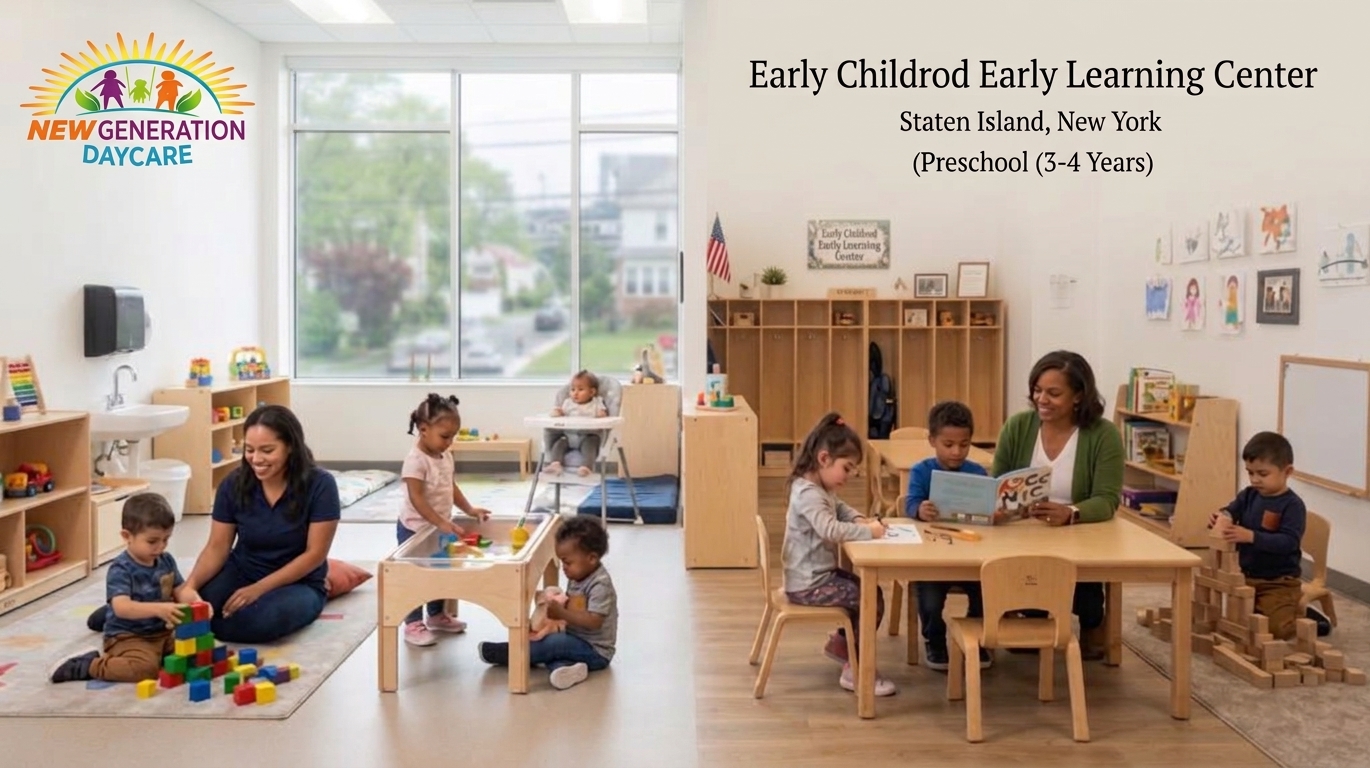
If you’re a parent in Staten Island searching for childcare, you’ve probably noticed that “daycare” and “preschool” are often used interchangeably online. Some centers call themselves a daycare, others call themselves a preschool, and many use both words on the same page. That overlap is understandable, but it can leave parents unsure which type of program actually fits their child’s needs.
The truth is, daycare and preschool generally serve different primary purposes, even though the line between them has blurred over the years. Understanding what each one is designed to do can make it much easier to choose the right fit for your family, your schedule, and your child’s stage of development.
What Is Daycare?
Daycare is primarily designed around care and supervision for children while parents are at work or otherwise unavailable during the day. The main focus is on:
-
A safe, consistent, and nurturing environment
-
Daily routines such as meals, rest, and playtime
-
Supervised play and social interaction with other children
-
Support for a child’s basic developmental needs
Daycare programs often accept a wide age range, and the exact ages served can vary from provider to provider. Many daycare centers, including our toddler program, offer full-day and extended-hour scheduling to accommodate the realities of a working parent’s day.
Because daycare is built around flexibility and reliability, it tends to be the first choice for families who need consistent, full-day child care from an early age. That said, many daycare programs today also weave in learning activities, so “just care” isn’t always an accurate description of what happens during the day.
What Is Preschool?
Preschool is generally structured around early learning and school-readiness skills. While care and supervision are still part of the experience, the primary focus shifts toward guided developmental activities, including:
-
Language and early literacy skills
-
Social-emotional growth, such as sharing, cooperation, and self-regulation
-
Early math concepts, like counting and number recognition
-
Problem-solving and critical thinking
-
Fine and gross motor skill development
-
Building independence and self-help skills
Preschool programs are typically designed for children in the years leading up to kindergarten, and many parents look to preschool as a way to help their child build a foundation before starting elementary school. Age ranges do vary by program, so it’s worth asking a specific center what ages they serve and how their classrooms are grouped.
Daycare vs. Preschool: Key Differences
Here’s a simple breakdown to help you compare the two side by side:
|
Category |
Daycare |
Preschool |
|
Primary purpose |
Care and supervision |
Early learning and development |
|
Learning focus |
Play-based, less structured |
Structured, skill-building activities |
|
Daily structure |
Flexible routines around care |
Organized lessons and learning blocks |
|
Age groups |
Often wider range, varies by provider |
Typically preschool-age children |
|
Schedule |
Frequently full-day, extended hours |
Sometimes shorter or session-based hours |
|
Kindergarten prep |
Not always a primary focus |
Often a core part of the program |
|
Family needs it fits |
Working parents needing full-day coverage |
Families prioritizing early academic and social skills |
This comparison isn’t a strict rulebook, it’s a general guide, since individual programs differ in how they structure their day.
Can Daycare and Preschool Overlap?
Yes, and in many cases, they do. Modern early childhood centers frequently combine both models, offering the full-day care that working families need alongside a structured curriculum that supports learning and development. A daycare may include circle time, early literacy activities, or STEAM-based learning. A preschool may offer extended hours so it functions like a full-day program for busy families.
Because of this overlap, it’s often more useful to look at what a specific program actually offers day to day, rather than relying on whether it’s labeled “daycare” or “preschool.”
Which Option Is Right for Your Child?
There’s no single right answer for every family; it depends on your child and your circumstances. Here are some factors worth thinking through:
- Your child’s age and developmental stage. Younger toddlers may benefit most from a nurturing, routine-based environment, while children approaching kindergarten age may benefit from more structured learning.
- Your family’s schedule. Full-time working parents often need full-day, year-round coverage.
- Desired hours. Some programs offer extended hours; others operate on a shorter school-day schedule.
- Your learning goals for your child. Are you looking primarily for care, or do you want a strong emphasis on early academics?
- Socialization opportunities. Both models offer social interaction, but the structure of that interaction can differ.
- Kindergarten preparation. If this is a priority, ask how the program specifically supports school readiness.
- Teacher qualifications and classroom environment. Ask about staff experience and classroom setup.
- Safety and cleanliness standards. This should be a top priority regardless of program type.
- Program philosophy. Some programs lean more traditional; others incorporate approaches like Montessori-inspired learning.
- Communication with parents. Daily updates, reports, or check-ins can make a big difference in peace of mind.
Taking time to think through these factors, rather than focusing only on the “daycare” or “preschool” label, will help you find a program that truly fits your child.
What Staten Island Parents Should Look for in a Childcare or Preschool Program
Whether you’re leaning toward daycare, preschool, or a program that blends both, there are some universal things worth prioritizing when evaluating options in Staten Island:
- A safe and nurturing environment where children feel comfortable and secure
- Qualified, caring teachers who are attentive to each child’s needs
- Age-appropriate learning activities suited to your child’s developmental stage
- Small-group interaction, where applicable, to support individualized attention
- Consistent daily routines that help children feel settled
- Open parent communication so you stay informed about your child’s day
- Developmentally appropriate activities that balance play and learning
- A convenient schedule and location that realistically fits your family’s daily life
Visiting in person, asking questions, and observing a classroom in action are some of the best ways to evaluate whether a program is the right match.
Why Families Choose the New Generation Learning Center
The New Generation Learning Center in Staten Island serves children ages 2 to 5, with before- and after-school care also available for elementary-age kids. The center offers extended hours from 6:30 AM to 6:30 PM, Monday through Friday, and is closed only on major holidays, which supports families who need reliable, full-day coverage.
Classrooms are organized by age group, including dedicated toddler, preschool, and pre-K programs, each following a curriculum centered on language development, science exploration, arts, and physical activity, with Montessori-influenced elements that encourage independent exploration. Parents also have access to live camera monitoring and daily reports, giving them insight into their child’s day.
Families interested in learning more about how the program works can schedule a tour to see the classrooms and meet the teaching staff directly.
Frequently Asked Questions
What is the difference between daycare and preschool?
Daycare primarily focuses on care, supervision, and routine-based support for children throughout the day, while preschool places more emphasis on structured early learning activities that build language, social, and pre-academic skills. Many programs today combine elements of both.
What age is preschool usually for?
Preschool age ranges vary by program, but preschool generally serves children in the years before kindergarten. It’s best to check directly with a specific center about the age groups they serve.
Is preschool better than daycare?
Neither option is universally “better”; it depends on your child’s needs and your family’s situation. A younger toddler or a family that needs full-day flexible care may be well suited to daycare, while a family focused on structured early learning ahead of kindergarten may prefer a preschool-style program.
Can daycare include preschool learning activities?
Yes. Many daycare programs incorporate educational activities such as early literacy, counting, and hands-on learning, even though their primary structure is built around full-day care.
How should I choose a preschool or daycare in Staten Island?
Consider your child’s age and needs, your family’s schedule, the program’s teaching approach, safety standards, and how the center communicates with parents. Visiting in person and asking questions about daily routines is one of the most reliable ways to evaluate a good fit.
What Should a Child Learn in Preschool? A Guide for Staten Island Parents
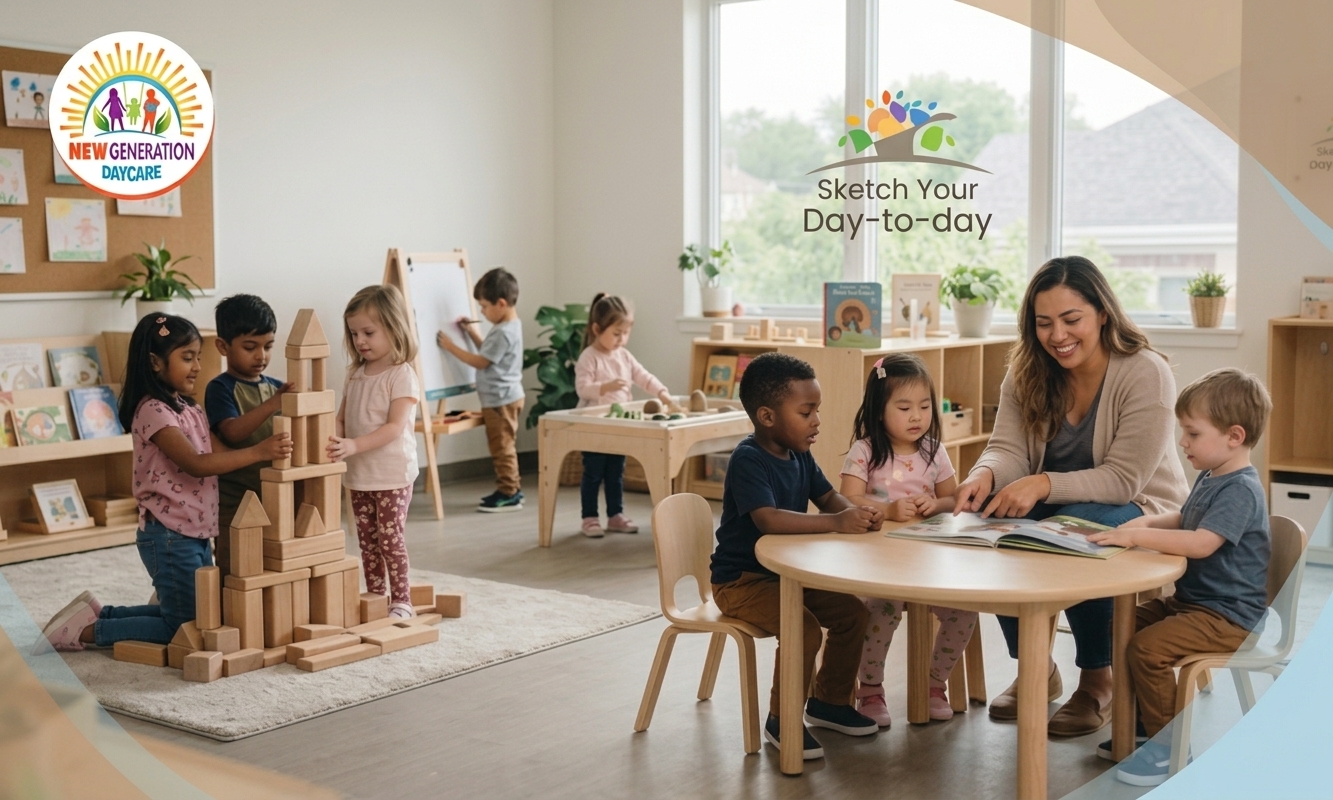
Many parents start asking the same question around age two or three: what exactly is my child supposed to be learning in preschool? It’s a fair question, especially with so much conflicting information online about school readiness, curriculum, and early milestones.
Here’s the reassuring part: preschool isn’t about worksheets, drills, or memorizing facts. It’s about giving young children the chance to grow across many areas at once: language, thinking skills, emotional awareness, physical coordination, and independence, mostly through play, hands-on activities, and daily routines. For families exploring preschool in Staten Island, understanding what this learning actually looks like day to day can make the search much less overwhelming.
What Do Children Typically Learn in Preschool?
Preschool generally supports development across several connected areas: language and communication, early math and thinking skills, social-emotional growth, physical coordination, independence, creativity, and early science exploration. These areas overlap constantly during the day; a group art project might build fine motor skills, encourage conversation, and require taking turns, all at once.
No two children move through these areas at exactly the same pace, and that’s expected. Preschool is designed to meet children where they are.
Language and Communication Skills
Communication development is one of the most active areas of growth during the preschool years. Children are typically encouraged to work on:
-
Building vocabulary through conversation, songs, and stories
-
Listening and following simple multi-step directions
-
Expressing thoughts, needs, and feelings using words
-
Practicing back-and-forth conversation with peers and teachers
-
Storytelling and early literacy exposure
-
Recognizing letters and sounds, when developmentally appropriate
-
Enjoying books and shared reading time
Not every child reaches these milestones on the same timeline, and that’s completely normal. Preschool language activities are designed to build a foundation, not to rush a child toward reading fluency.
Early Math and Thinking Skills
Early math in preschool doesn’t look like a workbook; it looks like play. Common concepts introduced during this stage include:
-
Counting objects and reciting number sequences
-
Number recognition
-
Sorting and classifying items by color, size, or type
-
Identifying basic shapes
-
Recognizing simple patterns
-
Comparing quantities (more, less, same)
-
Basic problem-solving during games and puzzles
-
Early measurement concepts, like comparing size or length
These ideas are usually introduced through hands-on activities such as counting blocks, sorting toys, or comparing objects during snack time, rather than through formal instruction.
Social-Emotional Development
For many early childhood educators, social-emotional growth is just as important as academic skill-building. Preschool gives children regular opportunities to practice:
-
Sharing and taking turns
-
Cooperating with classmates during group activities
-
Building early friendships
-
Recognizing their own emotions and the emotions of others
-
Expressing feelings in appropriate ways
-
Developing confidence in new situations
-
Learning and following classroom routines
-
Beginning to manage frustration and resolve simple conflicts
These are skills children build gradually, often through guided practice and consistent classroom structure rather than direct instruction.
Physical and Motor Skills
Preschool supports both fine motor skills (small muscle movements) and gross motor skills (larger, whole-body movements). This typically includes:
-
Fine motor practice through drawing and coloring
-
Learning to use scissors safely
-
Manipulating small objects like blocks, puzzle pieces, or beads
-
Gross motor activities such as running, jumping, climbing, and balancing
-
Games that build overall coordination
These physical activities support everything from pencil grip to overall confidence in movement, and they’re usually built naturally into daily play and outdoor time.
Independence and Self-Help Skills
Preschool is often one of the first places children practice everyday independence outside the home. Common self-help skills include:
-
Cleaning up toys and materials after activities
-
Washing hands independently
-
Managing personal belongings, like a backpack or jacket
-
Eating independently where appropriate
-
Following daily routines with less adult prompting
-
Learning to ask an adult for help when needed
-
Making simple choices, like selecting an activity or book
These small, repeated practices help build a child’s confidence and prepare them for the greater independence expected in kindergarten.
Creativity and Imagination
Open-ended, creative activities give children room to explore ideas without a single “right” answer. Preschool classrooms typically include:
-
Art projects using a variety of materials
-
Music and movement activities
-
Dramatic and pretend play
-
Storytelling, both guided and imaginative
-
Building activities with blocks or construction toys
-
Creative problem-solving during play
These activities matter because they let children experiment, make decisions, and express themselves, all of which support cognitive and emotional development in ways that structured tasks alone can’t.
Early Science and Discovery
Preschool science isn’t about formal experiments; it’s about curiosity. Children are typically encouraged to:
-
Observe nature and their surroundings
-
Ask questions about how things work
-
Explore simple cause-and-effect relationships
-
Make simple predictions
-
Learn basic concepts about weather, animals, plants, and the environment
These experiences are meant to build curiosity and observation skills, not advanced scientific knowledge.
What Does Kindergarten Readiness Really Mean?
Many parents assume kindergarten readiness is mostly about knowing letters and numbers. In reality, it’s much broader. School readiness typically includes:
-
Communication skills
-
The ability to listen and follow directions
-
Comfort with social interaction and group settings
-
Familiarity with classroom routines
-
A growing sense of independence
-
Early emotional regulation
-
Basic early literacy and math concepts
-
The ability to participate in group activities
Because children develop at different rates, readiness looks different for every child. A strong preschool experience focuses on supporting the whole child, not just checking off a list of academic skills.
How Preschool Learning Happens
Preschool learning generally happens through a mix of:
-
Play-based learning
-
Teacher-guided activities
-
Hands-on exploration
-
Group activities and collaborative play
-
Stories and books
-
Art and music
-
Outdoor and physical activity
-
Consistent daily routines
This blend allows children to build skills naturally, through repetition and engagement, rather than through rigid instruction.
What Staten Island Parents Should Look for in a Preschool
When comparing preschool options in Staten Island, it helps to look beyond the marketing and focus on what actually happens in the classroom day to day:
-
A safe and nurturing environment
-
Qualified, caring teachers
-
Age-appropriate activities and materials
-
Clear, consistent classroom routines
-
Regular opportunities for social interaction
-
Open communication with parents about their child’s day
-
A clean, organized learning space
-
A schedule that realistically fits your family’s needs
-
A thoughtful approach to school readiness
Visiting a classroom in person and asking specific questions about daily activities is one of the best ways to evaluate whether a program is the right fit.
Preschool Learning at New Generation Learning Center
At New Generation Learning Center in Staten Island, the preschool program is guided by certified Early Childhood Education teachers. The program introduces early numerical skills, such as counting to 10 and identifying objects, alongside imaginative and dramatic play that supports creativity.
Social and emotional growth is supported through activities designed to build critical thinking, while structured physical activities and games support gross motor development. Fine motor skills, including pencil grip and early writing techniques, are also part of the program, along with age-appropriate exercises that support overall physical health.
Creative expression is encouraged through art classes and annual performances, and the preschool program is designed to help prepare children for the center’s pre-k program as they get older. Preschool activities take place within the center’s broader curriculum, which also includes extra activities that support physical development.
Parents interested in seeing the preschool classrooms and meeting the teaching staff can schedule a tour of the Staten Island location.
Frequently Asked Questions
What should a 3-year-old learn in preschool?
At this age, children typically focus on building vocabulary, practicing simple routines, exploring early social skills like sharing and turn-taking, and developing fine and gross motor coordination through play. Every child progresses at their own pace.
What should a 4-year-old learn in preschool?
Four-year-olds often build on earlier skills with more complex language use, early counting and number recognition, longer attention spans during group activities, and growing independence in daily routines. These are general patterns, not fixed benchmarks.
What skills should a child have before kindergarten?
Kindergarten readiness typically includes communication skills, the ability to follow directions, comfort in group settings, basic independence, emotional regulation, and early literacy and math awareness. Readiness varies by child.
Does preschool teach reading and math?
Preschool introduces early literacy and math concepts, such as letter and number recognition, counting, and simple patterns, but this is usually done through play and hands-on activities rather than formal instruction.
How does preschool help with social skills?
Preschool gives children regular, guided opportunities to interact with peers, practice sharing and cooperation, navigate group activities, and build early friendships in a supported classroom environment.
How can parents support preschool learning at home?
Parents can reinforce preschool learning by reading together, encouraging conversation, offering simple choices, practicing daily routines, and providing opportunities for creative and hands-on play at home.
