


What Should a Child Learn in Preschool? A Guide for Staten Island Parents
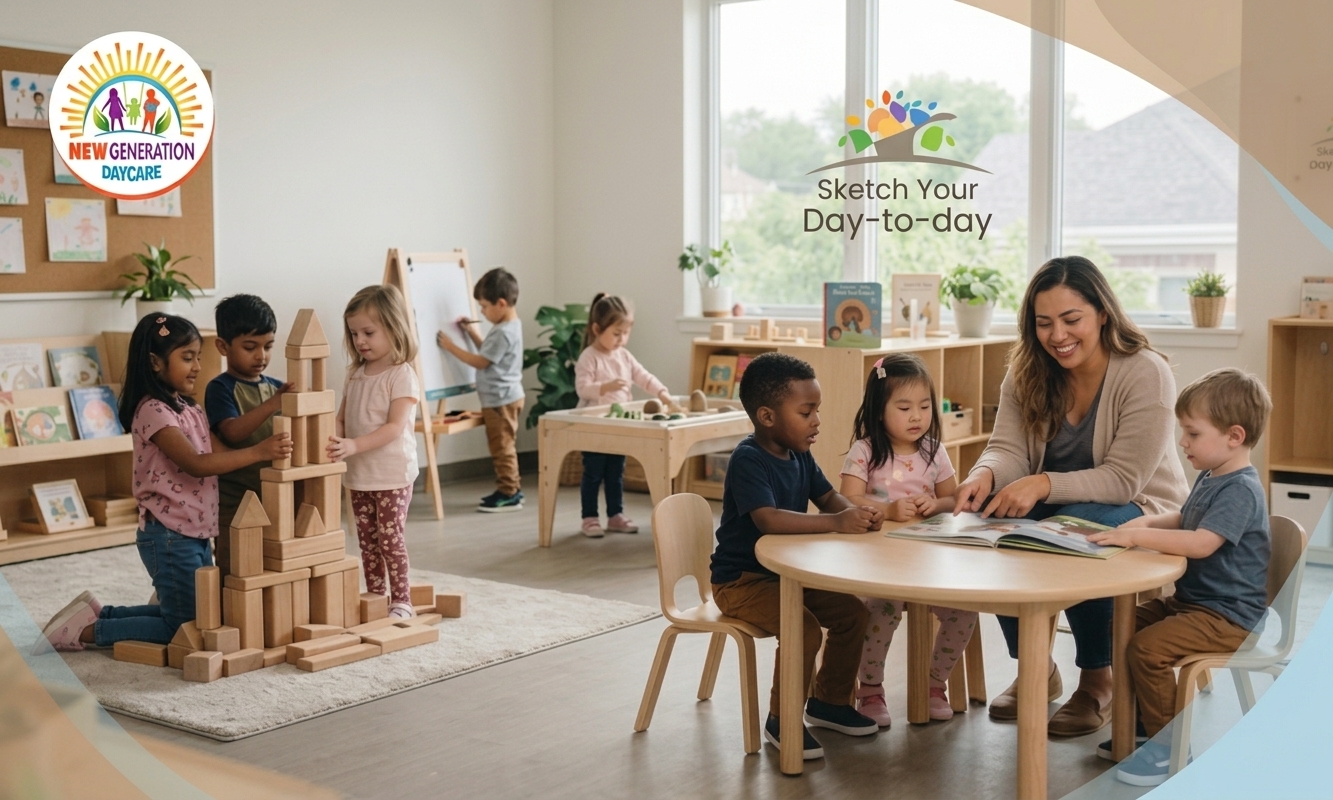
Many parents start asking the same question around age two or three: what exactly is my child supposed to be learning in preschool? It’s a fair question, especially with so much conflicting information online about school readiness, curriculum, and early milestones.
Here’s the reassuring part: preschool isn’t about worksheets, drills, or memorizing facts. It’s about giving young children the chance to grow across many areas at once: language, thinking skills, emotional awareness, physical coordination, and independence, mostly through play, hands-on activities, and daily routines. For families exploring preschool in Staten Island, understanding what this learning actually looks like day to day can make the search much less overwhelming.
What Do Children Typically Learn in Preschool?
Preschool generally supports development across several connected areas: language and communication, early math and thinking skills, social-emotional growth, physical coordination, independence, creativity, and early science exploration. These areas overlap constantly during the day; a group art project might build fine motor skills, encourage conversation, and require taking turns, all at once.
No two children move through these areas at exactly the same pace, and that’s expected. Preschool is designed to meet children where they are.
Language and Communication Skills
Communication development is one of the most active areas of growth during the preschool years. Children are typically encouraged to work on:
-
Building vocabulary through conversation, songs, and stories
-
Listening and following simple multi-step directions
-
Expressing thoughts, needs, and feelings using words
-
Practicing back-and-forth conversation with peers and teachers
-
Storytelling and early literacy exposure
-
Recognizing letters and sounds, when developmentally appropriate
-
Enjoying books and shared reading time
Not every child reaches these milestones on the same timeline, and that’s completely normal. Preschool language activities are designed to build a foundation, not to rush a child toward reading fluency.
Early Math and Thinking Skills
Early math in preschool doesn’t look like a workbook; it looks like play. Common concepts introduced during this stage include:
-
Counting objects and reciting number sequences
-
Number recognition
-
Sorting and classifying items by color, size, or type
-
Identifying basic shapes
-
Recognizing simple patterns
-
Comparing quantities (more, less, same)
-
Basic problem-solving during games and puzzles
-
Early measurement concepts, like comparing size or length
These ideas are usually introduced through hands-on activities such as counting blocks, sorting toys, or comparing objects during snack time, rather than through formal instruction.
Social-Emotional Development
For many early childhood educators, social-emotional growth is just as important as academic skill-building. Preschool gives children regular opportunities to practice:
-
Sharing and taking turns
-
Cooperating with classmates during group activities
-
Building early friendships
-
Recognizing their own emotions and the emotions of others
-
Expressing feelings in appropriate ways
-
Developing confidence in new situations
-
Learning and following classroom routines
-
Beginning to manage frustration and resolve simple conflicts
These are skills children build gradually, often through guided practice and consistent classroom structure rather than direct instruction.
Physical and Motor Skills
Preschool supports both fine motor skills (small muscle movements) and gross motor skills (larger, whole-body movements). This typically includes:
-
Fine motor practice through drawing and coloring
-
Learning to use scissors safely
-
Manipulating small objects like blocks, puzzle pieces, or beads
-
Gross motor activities such as running, jumping, climbing, and balancing
-
Games that build overall coordination
These physical activities support everything from pencil grip to overall confidence in movement, and they’re usually built naturally into daily play and outdoor time.
Independence and Self-Help Skills
Preschool is often one of the first places children practice everyday independence outside the home. Common self-help skills include:
-
Cleaning up toys and materials after activities
-
Washing hands independently
-
Managing personal belongings, like a backpack or jacket
-
Eating independently where appropriate
-
Following daily routines with less adult prompting
-
Learning to ask an adult for help when needed
-
Making simple choices, like selecting an activity or book
These small, repeated practices help build a child’s confidence and prepare them for the greater independence expected in kindergarten.
Creativity and Imagination
Open-ended, creative activities give children room to explore ideas without a single “right” answer. Preschool classrooms typically include:
-
Art projects using a variety of materials
-
Music and movement activities
-
Dramatic and pretend play
-
Storytelling, both guided and imaginative
-
Building activities with blocks or construction toys
-
Creative problem-solving during play
These activities matter because they let children experiment, make decisions, and express themselves, all of which support cognitive and emotional development in ways that structured tasks alone can’t.
Early Science and Discovery
Preschool science isn’t about formal experiments; it’s about curiosity. Children are typically encouraged to:
-
Observe nature and their surroundings
-
Ask questions about how things work
-
Explore simple cause-and-effect relationships
-
Make simple predictions
-
Learn basic concepts about weather, animals, plants, and the environment
These experiences are meant to build curiosity and observation skills, not advanced scientific knowledge.
What Does Kindergarten Readiness Really Mean?
Many parents assume kindergarten readiness is mostly about knowing letters and numbers. In reality, it’s much broader. School readiness typically includes:
-
Communication skills
-
The ability to listen and follow directions
-
Comfort with social interaction and group settings
-
Familiarity with classroom routines
-
A growing sense of independence
-
Early emotional regulation
-
Basic early literacy and math concepts
-
The ability to participate in group activities
Because children develop at different rates, readiness looks different for every child. A strong preschool experience focuses on supporting the whole child, not just checking off a list of academic skills.
How Preschool Learning Happens
Preschool learning generally happens through a mix of:
-
Play-based learning
-
Teacher-guided activities
-
Hands-on exploration
-
Group activities and collaborative play
-
Stories and books
-
Art and music
-
Outdoor and physical activity
-
Consistent daily routines
This blend allows children to build skills naturally, through repetition and engagement, rather than through rigid instruction.
What Staten Island Parents Should Look for in a Preschool
When comparing preschool options in Staten Island, it helps to look beyond the marketing and focus on what actually happens in the classroom day to day:
-
A safe and nurturing environment
-
Qualified, caring teachers
-
Age-appropriate activities and materials
-
Clear, consistent classroom routines
-
Regular opportunities for social interaction
-
Open communication with parents about their child’s day
-
A clean, organized learning space
-
A schedule that realistically fits your family’s needs
-
A thoughtful approach to school readiness
Visiting a classroom in person and asking specific questions about daily activities is one of the best ways to evaluate whether a program is the right fit.
Preschool Learning at New Generation Learning Center
At New Generation Learning Center in Staten Island, the preschool program is guided by certified Early Childhood Education teachers. The program introduces early numerical skills, such as counting to 10 and identifying objects, alongside imaginative and dramatic play that supports creativity.
Social and emotional growth is supported through activities designed to build critical thinking, while structured physical activities and games support gross motor development. Fine motor skills, including pencil grip and early writing techniques, are also part of the program, along with age-appropriate exercises that support overall physical health.
Creative expression is encouraged through art classes and annual performances, and the preschool program is designed to help prepare children for the center’s pre-k program as they get older. Preschool activities take place within the center’s broader curriculum, which also includes extra activities that support physical development.
Parents interested in seeing the preschool classrooms and meeting the teaching staff can schedule a tour of the Staten Island location.
Frequently Asked Questions
What should a 3-year-old learn in preschool?
At this age, children typically focus on building vocabulary, practicing simple routines, exploring early social skills like sharing and turn-taking, and developing fine and gross motor coordination through play. Every child progresses at their own pace.
What should a 4-year-old learn in preschool?
Four-year-olds often build on earlier skills with more complex language use, early counting and number recognition, longer attention spans during group activities, and growing independence in daily routines. These are general patterns, not fixed benchmarks.
What skills should a child have before kindergarten?
Kindergarten readiness typically includes communication skills, the ability to follow directions, comfort in group settings, basic independence, emotional regulation, and early literacy and math awareness. Readiness varies by child.
Does preschool teach reading and math?
Preschool introduces early literacy and math concepts, such as letter and number recognition, counting, and simple patterns, but this is usually done through play and hands-on activities rather than formal instruction.
How does preschool help with social skills?
Preschool gives children regular, guided opportunities to interact with peers, practice sharing and cooperation, navigate group activities, and build early friendships in a supported classroom environment.
How can parents support preschool learning at home?
Parents can reinforce preschool learning by reading together, encouraging conversation, offering simple choices, practicing daily routines, and providing opportunities for creative and hands-on play at home.
