


How to Prepare Your Child for Preschool in Staten Island: A Parent’s Guide
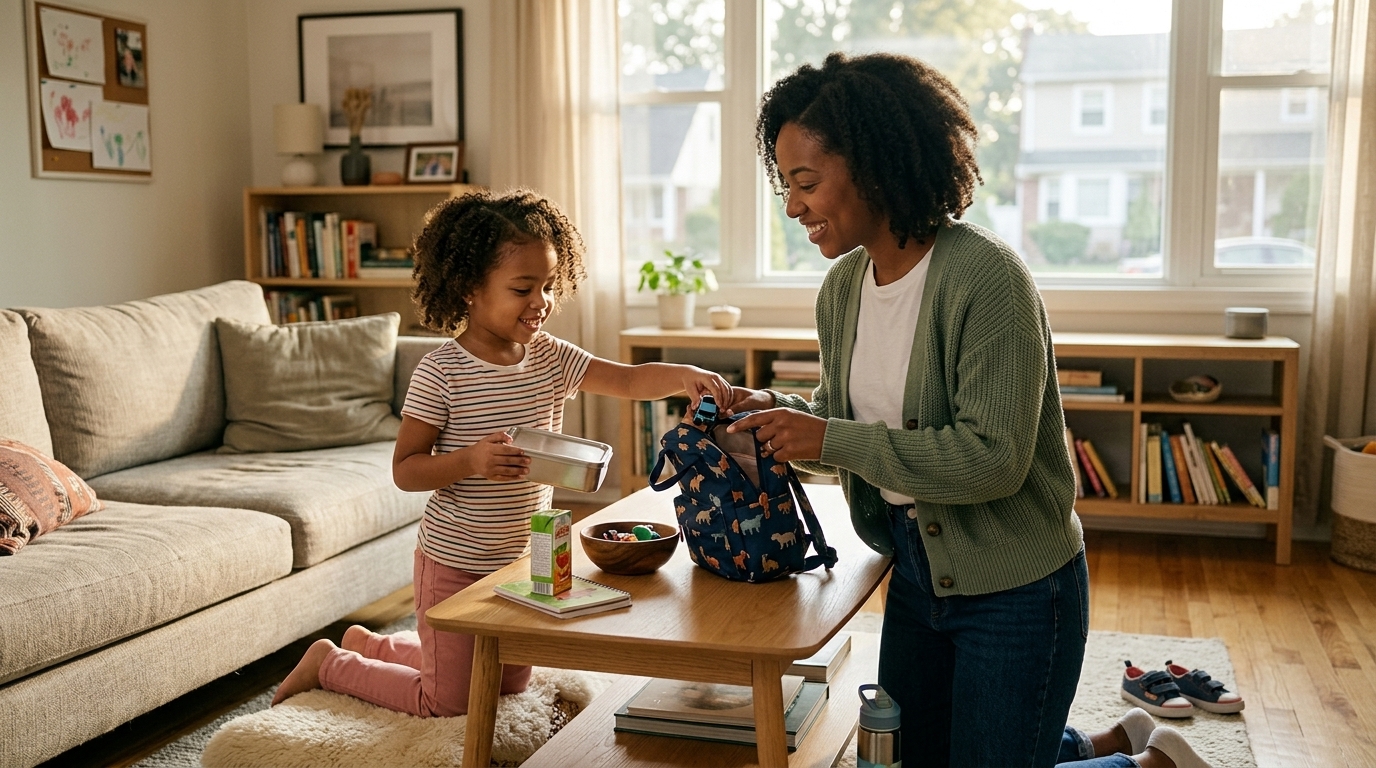
If you’re a few months out from your child’s first day of preschool, you’ve probably asked yourself some version of the same question more than once: Is my child ready?
It’s a fair question, and one almost every parent asks. The good news is that preschool readiness has very little to do with academics. Your child doesn’t need to know their letters, count to twenty, or sit quietly for an hour. What actually helps a child settle into preschool is something simpler: a bit of comfort with routines, some practice being away from you, and a few basic social and communication skills. This guide walks through what preschool readiness really looks like and how you can help your child feel more prepared without turning your living room into a classroom.
What Does Preschool Readiness Really Mean?
Preschool readiness isn’t a checklist of academic skills. It’s really about a handful of everyday abilities:
- Social development, some comfort being around other children, even if turn-taking is still a work in progress
- Emotional development, the beginning of self-regulation, like calming down after a frustration with some help
- Communication, being able to express basic needs, even in simple words or gestures
- Independence, trying small self-care tasks, even imperfectly
- Following simple routines, recognizing patterns like “after breakfast, we get dressed”
- Curiosity, a general interest in exploring, asking questions, and trying new things
It’s worth saying clearly: children develop at different rates. A child who’s more hesitant in groups or less verbal than a sibling was at the same age isn’t behind; they’re just on their own timeline. Preschool itself is part of how these skills develop, not something a child needs to have already mastered before walking in the door.
1. Practice Short Periods Away From You
If your child hasn’t spent much time away from you, preschool will be a big adjustment on day one. You can soften that by building in short separations ahead of time, a few hours with a grandparent, a trusted neighbor, or a babysitter.
Start small. Even 30–60 minutes apart, done a few times, helps a child learn that you leaving doesn’t mean you’re gone for good and that you always come back. Some children handle this easily; others get upset every time, even after repeated practice. That’s not unusual, and it doesn’t mean something is wrong; some kids just take longer to feel settled with separation. If you notice ongoing distress that doesn’t ease with time and practice, it’s worth mentioning to your pediatrician, who can offer guidance specific to your child.
2. Build a Consistent Preschool-Friendly Routine
Before the first day arrives, it helps to have a general daily rhythm in place, not a rigid schedule, just a predictable order to the day:
- Waking up around the same time each morning
- Getting dressed (even with help)
- Breakfast
- A bathroom routine
- Leaving the house at a similar time
- A rest or nap period
- A consistent bedtime
Predictability does a lot of the emotional work here. When a child already knows “this happens, then this happens,” a new setting like preschool feels less overwhelming, because at least part of the day still feels familiar.
3. Encourage Independence With Everyday Tasks
Preschool classrooms move through the day fairly independently; children put away their own things, wash their own hands, and manage small parts of their day on their own. You can start building these habits at home with simple, low-pressure practice:
- Putting toys away after playing
- Washing hands (even if you help finish the job)
- Practicing using the bathroom
- Putting on shoes, even if the fit isn’t perfect
- Carrying their own small backpack
- Eating independently at meals
- Asking an adult for help when something’s hard
None of these need to be mastered before day one. The goal is exposure and practice, not perfection; a child who’s tried these things a few times will adjust faster than one who’s never attempted them at all.
4. Help Your Child Practice Social Skills
A lot of what makes early group settings work smoothly comes down to a small set of social skills:
- Sharing (even if it’s still hard)
- Taking turns
- Listening when someone else is talking
- Joining an activity that’s already in progress
- Using words to ask for something instead of just reacting
- Playing near or with other children
- Following simple group rules, like raising a hand or lining up
These are skills that develop through repetition, not lectures. Playdates, library story times, or park visits all give kids low-stakes chances to practice being around peers, alongside the group interaction built into a good preschool program.
5. Make Communication a Daily Habit
The more comfortable a child is expressing themselves, the easier it is for a teacher to understand and support them. You can build this at home just through everyday conversation:
- Asking your child to describe how they’re feeling (Are you frustrated or tired?)
- Encouraging questions, even repetitive ones
- Practicing asking an adult for help
- Talking through the day at dinner or bedtime
- Giving simple, one- or two-step instructions to follow
This isn’t about vocabulary size; it’s about your child getting practice using words (or gestures, for children who are still developing verbal language) to express what they need.
6. Introduce Learning Through Play
Preparing for preschool doesn’t mean drilling flashcards or turning the house into a classroom. Some of the most useful preparation looks a lot like ordinary play:
- Reading together, even the same book repeatedly
- Simple puzzles
- Drawing and coloring
- Building with blocks
- Counting everyday objects, like stairs or snacks
- Singing songs, especially ones with repetition or hand motions
- Storytelling, including making up stories together
- Pretend play, kitchen sets, dress-up, stuffed animal “school”
These activities build language, problem-solving, and fine motor skills naturally, without pressure, and they mirror much of what’s built into an early childhood curriculum, helping a child feel that learning is something enjoyable, not stressful.
7. Talk About Preschool Before the First Day
Kids handle new situations better when they have some idea of what to expect. A few practical ways to prepare your child:
- Talk about preschool in a positive, matter-of-fact way
- Describe what a typical day might look like: playing, snack time, story time, friends
- Read children’s books about starting school
- Practice saying goodbye, even in a playful way
- Visit the center ahead of time if that’s an option
- Let your child ask questions, and answer them honestly
It’s fine to be honest that your child might feel a little nervous at first; most kids do. The goal isn’t to promise they’ll feel nothing at all, but to help them understand that nervous feelings at drop-off are normal and temporary.
8. Let Your Child Help Prepare for Preschool
Giving your child small choices in the preparation process can build a real sense of ownership and confidence:
- Picking out their backpack
- Choosing their first-day outfit
- Practicing opening their lunch container on their own
- Helping organize their supplies or cubby items
- Choosing a comfort item, if the center allows one
These are small decisions, but for a young child, having some say in the process can make the whole idea of preschool feel less like something that’s happening to them and more like something they’re part of.
9. What Children Do NOT Need to Know Before Preschool
This part matters, because a lot of parents feel unnecessary pressure here. Your child does not need to already:
- Read independently
- Write neatly, or at all
- Count to a high number
- Know every letter of the alphabet
- Sit still for long stretches
A good early learning environment is built to teach these skills gradually, through play and repetition, not to test for them on day one. If your child doesn’t have these skills yet, that’s not a readiness problem. That’s simply what preschool is for.
10. Questions to Ask a Preschool Before Enrollment
Whether you’re touring New Generation Learning Center or comparing a few preschools in Staten Island, it helps to go in with a few specific questions:
- What does a typical day look like for this age group?
- How do teachers help children adjust during the first few weeks?
- How are families updated about their child’s day?
- What does the classroom routine look like?
- How is social and emotional development supported in the classroom?
- What kinds of learning activities are included day to day?
- What are realistic expectations for independence at this age?
- How can parents reinforce learning at home?
A good preschool should be able to answer these clearly and specifically; vague answers are worth noting, and the center’s FAQ page is often a useful starting point for these kinds of questions.
How the New Generation Learning Center Supports Early Learning in Staten Island
At New Generation Learning Center, the approach to early learning is built around the same idea this guide has focused on: readiness develops gradually, through routine, play, and social experience, not through pressure or early academic drilling. Staten Island families considering preschool are encouraged to think of the first weeks as an adjustment period for both parent and child, not a test to pass on day one.
If you’re weighing preschool options in Staten Island and want to see how a classroom actually runs day to day, the most useful next step is usually a visit; it’s much easier to judge fit in person than from a website alone.
Preschool Readiness FAQ
What age should a child start preschool?
Most children start preschool between ages two and four, though the right age depends on the individual child and family circumstances rather than a fixed rule.
How can I tell if my child is ready for preschool?
Look for general comfort with brief separations, basic communication of needs, and some interest in being around other children, not academic skills. Readiness is more about temperament and daily habits than test-like milestones.
What skills should a child have before preschool?
Helpful (not required) skills include some independence with self-care tasks, basic communication, and comfort following simple routines. Academic skills like reading or counting high numbers aren’t expected.
How can I help my child with separation anxiety?
Practice short separations ahead of time, keep goodbyes brief and consistent, and talk about preschool positively beforehand. Some anxiety at drop-off is common and typically eases within the first few weeks; if it doesn’t, it’s worth discussing with your pediatrician.
What should my child know before starting preschool?
There’s no required academic knowledge. Familiarity with basic routines and some comfort communicating needs are more useful than specific facts or skills.
How can I establish a preschool routine at home?
Start a consistent daily rhythm a few weeks before preschool begins, with similar wake times, mealtimes, and bedtime, so the structure feels familiar once the school routine begins.
What should I ask when choosing a preschool in Staten Island?
Ask about a typical day, how teachers support adjustment, how families are kept informed, and how the classroom balances social, emotional, and early academic development.
