


Preschool Parent-Teacher Communication: What Staten Island Parents Should Know
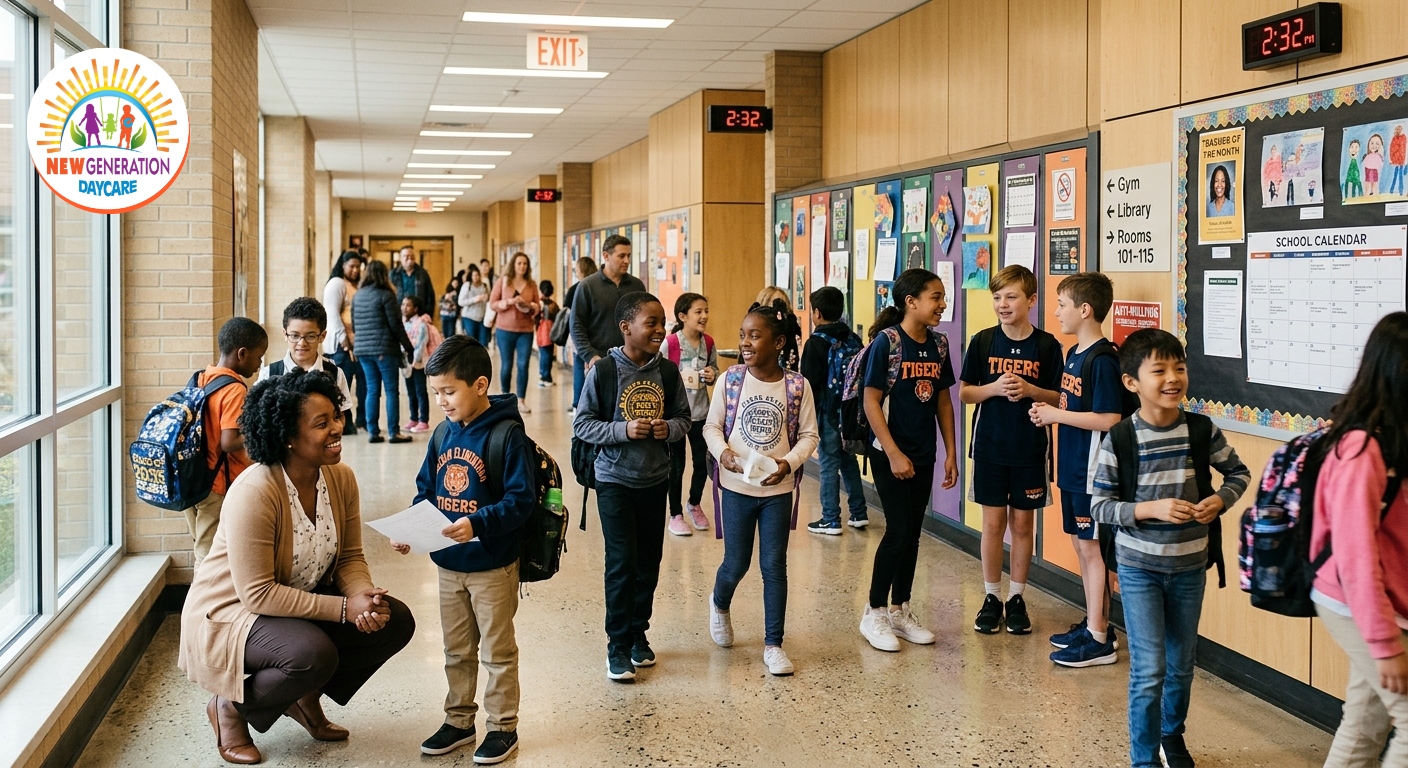
A preschool classroom is often the first place a child spends significant time away from home on a regular basis. Because of that, the relationship between parents and teachers plays a real role in how smoothly a child’s day-to-day experience goes. Good communication doesn’t need to be complicated or time-consuming. It just needs to be consistent, honest, and two-way.
For Staten Island parents navigating preschool for the first time, understanding what to communicate, how often, and through which channels can make the whole experience feel a lot less uncertain.
Why Parent-Teacher Communication Matters in Preschool
Preschool teachers spend hours each day observing your child in a group setting, something most parents don’t get to see firsthand. At the same time, parents know their child’s history, habits, and personality in ways a teacher is still learning. When both sides share what they know, it becomes much easier to support a child consistently between home and the classroom.
Regular communication can also help catch small issues early, whether that’s a change in mood, a new friendship, or a skill a child seems ready to work on next. None of this requires constant back-and-forth. It’s more about keeping a steady, open line of communication throughout the year.
What Parents Should Communicate to Teachers
There are a few areas worth sharing regularly, since they can directly affect how a child’s day goes.
Daily Routine
Let teachers know about anything unusual in your child’s morning, like a late bedtime, a skipped breakfast, or a rushed drop-off. Small details like this can explain behavior that might otherwise seem out of character.
Behavior and Social Interactions
If your child has mentioned a friend, a disagreement, or a specific classmate at home, sharing that with the teacher can help connect the dots between what’s happening at school and what your child is processing afterward.
Learning Progress
Teachers can offer helpful updates on how a child is doing with early academic or developmental skills, and parents can share what they’re noticing at home, like new vocabulary or emerging interests.
Eating and Sleeping Habits
Changes in appetite or sleep can affect a child’s mood and energy at school. If your child skipped a nap or had a rough night, a quick note to the teacher can provide helpful context.
Emotional Changes
If your child seems more clingy, anxious, or emotional than usual, letting the teacher know allows them to offer extra support during the day.
New Interests or Concerns
Whether it’s a new obsession with dinosaurs or a fear of loud noises, sharing new interests or concerns helps teachers plan activities and respond appropriately.
Important Changes at Home
Big life changes, such as a new sibling, a move, a family illness, or a change in caregivers, often affect how a child behaves at school. Teachers can better support your child if they know what’s going on, even in general terms.
Ways Parents Can Communicate With Preschool Teachers
Preschools typically offer a few different ways for parents and teachers to stay in touch.
- Daily conversations during drop-off or pickup, even brief ones, can be a simple way to share quick updates.
- Parent-teacher meetings, often scheduled once or twice a year, allow for a more in-depth conversation about a child’s overall progress and development.
- Phone calls may be used for longer conversations or when something can’t be easily discussed in passing.
- Emails or childcare communication apps are increasingly common ways for teachers to share daily updates, photos, or reminders, and for parents to ask quick questions.
- Progress updates, whether informal notes or more structured reports, can give parents a clearer picture of how their child is developing over time.
Every school handles these differently, so it’s worth checking with your child’s specific preschool program to understand which communication methods they use most often.
Practical Questions Parents Can Ask Teachers
If you’re not sure where to start, these questions can help open up a useful conversation:
- How is my child interacting with other classmates?
- What does a typical day look like for my child specifically?
- Are there any skills my child seems ready to work on next?
- How is my child handling transitions during the day?
- Is there anything I can reinforce at home to support what’s happening in the classroom?
- Has my child mentioned any friends, activities, or interests that stand out?
Asking specific, open-ended questions tends to lead to more useful answers than a general “How’s everything going?”
Sharing Concerns Respectfully and Constructively
If something is bothering you, whether it’s a behavior issue, a scheduling concern, or something your child said about their day, it helps to approach the conversation calmly and with curiosity rather than assumptions.
A few tips:
- Start with a specific example rather than a general complaint
- Ask the teacher what they’ve observed before drawing conclusions
- Frame the conversation as working together toward a solution
- Avoid raising sensitive concerns during a rushed drop-off or pickup moment
Most concerns are easier to resolve when both sides feel like they’re on the same team, rather than in opposition.
Maintaining Positive Communication Throughout the Year
Communication doesn’t need to be constant to be effective. A few habits can help keep things steady over the course of the school year:
- Check in briefly during regular drop-off or pickup, even just to say hello
- Read any newsletters, updates, or communication app notifications teachers send
- Respond to teacher messages in a reasonably timely way
- Share positive feedback, not just concerns, when something is going well
- Attend scheduled parent-teacher meetings when possible
Consistency, even in small doses, tends to build a stronger relationship than infrequent, lengthy conversations.
What to Do If You Have an Urgent or Private Concern
For anything sensitive or time-sensitive, it’s usually best to request a private conversation rather than discussing it during a busy drop-off or pickup window. A quick note, email, or phone call asking to schedule a short call or meeting is generally the most effective approach. This gives the teacher time to prepare and gives both of you space to talk without interruptions or an audience of other children and parents.
If a concern feels urgent, don’t hesitate to ask directly how the school prefers to handle time-sensitive issues, since policies can vary by center.
How Teachers and Parents Can Work Together
The most effective preschool experiences tend to happen when teachers and parents see themselves as partners rather than separate parties. Teachers bring insight into how a child functions in a group setting, while parents bring context about their child’s personality, history, and needs at home.
When both sides stay engaged, whether through casual updates, more organized parent resources, or scheduled meetings, it becomes easier to notice patterns, celebrate progress, and address challenges before they grow.
Final Thoughts
Strong communication between parents and preschool teachers doesn’t require anything elaborate. It’s built through small, consistent moments: a quick update at drop-off, an honest conversation about a concern, or a shared observation about how a child is growing. For Staten Island families, understanding these communication habits early can make the preschool year feel more collaborative and less like guesswork.
If you’re exploring preschool in Staten Island and want to learn more about how a program supports ongoing communication between parents and teachers, feel free to schedule a tour and ask directly about their approach.
Frequently Asked Questions
How often should I communicate with my child’s preschool teacher?
There’s no fixed requirement, but brief regular check-ins, along with more detailed updates during scheduled meetings, tend to work well for most families.
What should I do if I have a concern about my child’s teacher?
Start by scheduling a private, calm conversation to share your specific concern. Most issues can be worked through with open, respectful communication.
Is it okay to email a preschool teacher directly?
Many preschools do allow email or app-based communication, though it’s best to confirm your specific school’s preferred method and typical response time.
What if I don’t hear much from my child’s teacher?
It’s reasonable to ask directly how often updates are typically shared and through which channels, since communication styles vary by teacher and by school.
Can I request a private meeting with my child’s teacher outside of scheduled conferences?
In most cases, yes. Reaching out to request a short call or meeting is usually welcomed, especially for concerns that need more time or privacy than a quick conversation allows.
