


Daycare vs. Preschool in Staten Island: What’s the Difference and Which Is Right for Your Child?
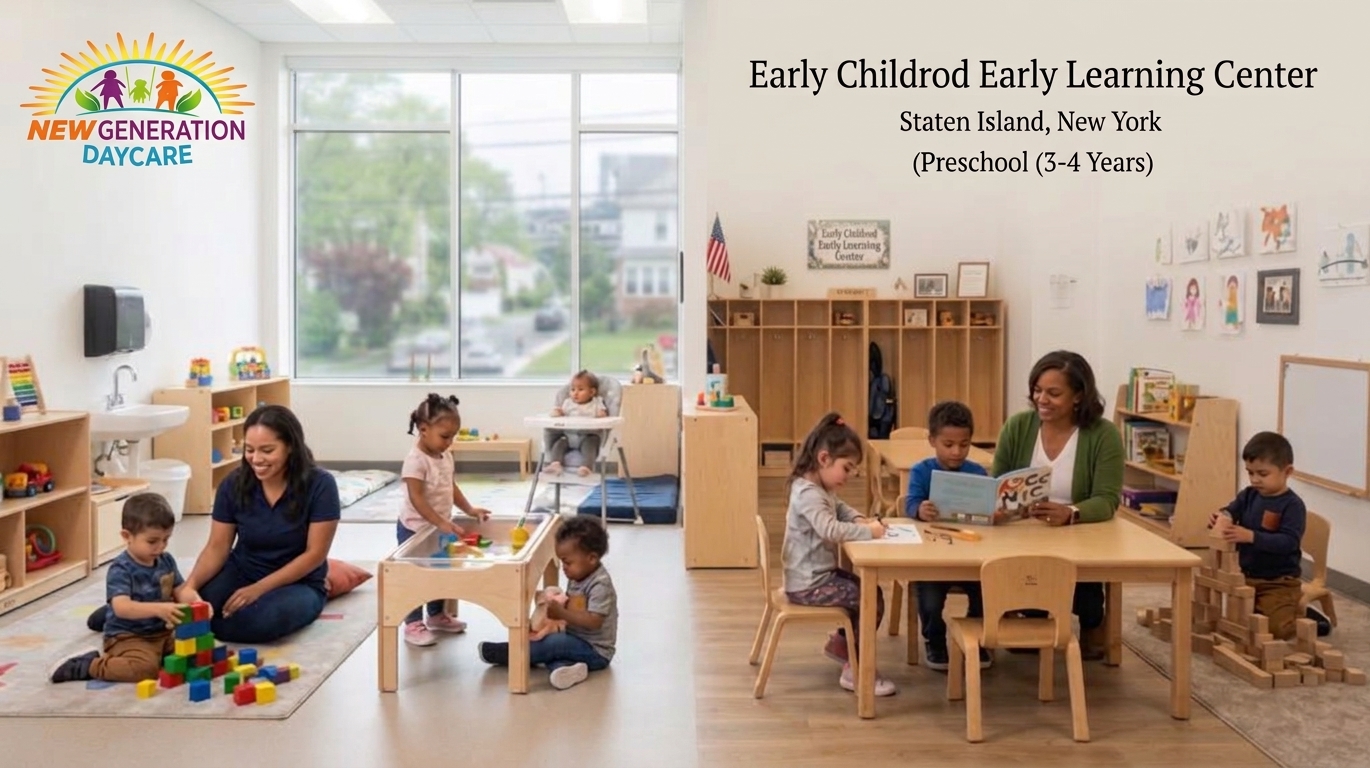
If you’re a parent in Staten Island searching for childcare, you’ve probably noticed that “daycare” and “preschool” are often used interchangeably online. Some centers call themselves a daycare, others call themselves a preschool, and many use both words on the same page. That overlap is understandable, but it can leave parents unsure which type of program actually fits their child’s needs.
The truth is, daycare and preschool generally serve different primary purposes, even though the line between them has blurred over the years. Understanding what each one is designed to do can make it much easier to choose the right fit for your family, your schedule, and your child’s stage of development.
What Is Daycare?
Daycare is primarily designed around care and supervision for children while parents are at work or otherwise unavailable during the day. The main focus is on:
-
A safe, consistent, and nurturing environment
-
Daily routines such as meals, rest, and playtime
-
Supervised play and social interaction with other children
-
Support for a child’s basic developmental needs
Daycare programs often accept a wide age range, and the exact ages served can vary from provider to provider. Many daycare centers, including our toddler program, offer full-day and extended-hour scheduling to accommodate the realities of a working parent’s day.
Because daycare is built around flexibility and reliability, it tends to be the first choice for families who need consistent, full-day child care from an early age. That said, many daycare programs today also weave in learning activities, so “just care” isn’t always an accurate description of what happens during the day.
What Is Preschool?
Preschool is generally structured around early learning and school-readiness skills. While care and supervision are still part of the experience, the primary focus shifts toward guided developmental activities, including:
-
Language and early literacy skills
-
Social-emotional growth, such as sharing, cooperation, and self-regulation
-
Early math concepts, like counting and number recognition
-
Problem-solving and critical thinking
-
Fine and gross motor skill development
-
Building independence and self-help skills
Preschool programs are typically designed for children in the years leading up to kindergarten, and many parents look to preschool as a way to help their child build a foundation before starting elementary school. Age ranges do vary by program, so it’s worth asking a specific center what ages they serve and how their classrooms are grouped.
Daycare vs. Preschool: Key Differences
Here’s a simple breakdown to help you compare the two side by side:
|
Category |
Daycare |
Preschool |
|
Primary purpose |
Care and supervision |
Early learning and development |
|
Learning focus |
Play-based, less structured |
Structured, skill-building activities |
|
Daily structure |
Flexible routines around care |
Organized lessons and learning blocks |
|
Age groups |
Often wider range, varies by provider |
Typically preschool-age children |
|
Schedule |
Frequently full-day, extended hours |
Sometimes shorter or session-based hours |
|
Kindergarten prep |
Not always a primary focus |
Often a core part of the program |
|
Family needs it fits |
Working parents needing full-day coverage |
Families prioritizing early academic and social skills |
This comparison isn’t a strict rulebook, it’s a general guide, since individual programs differ in how they structure their day.
Can Daycare and Preschool Overlap?
Yes, and in many cases, they do. Modern early childhood centers frequently combine both models, offering the full-day care that working families need alongside a structured curriculum that supports learning and development. A daycare may include circle time, early literacy activities, or STEAM-based learning. A preschool may offer extended hours so it functions like a full-day program for busy families.
Because of this overlap, it’s often more useful to look at what a specific program actually offers day to day, rather than relying on whether it’s labeled “daycare” or “preschool.”
Which Option Is Right for Your Child?
There’s no single right answer for every family; it depends on your child and your circumstances. Here are some factors worth thinking through:
- Your child’s age and developmental stage. Younger toddlers may benefit most from a nurturing, routine-based environment, while children approaching kindergarten age may benefit from more structured learning.
- Your family’s schedule. Full-time working parents often need full-day, year-round coverage.
- Desired hours. Some programs offer extended hours; others operate on a shorter school-day schedule.
- Your learning goals for your child. Are you looking primarily for care, or do you want a strong emphasis on early academics?
- Socialization opportunities. Both models offer social interaction, but the structure of that interaction can differ.
- Kindergarten preparation. If this is a priority, ask how the program specifically supports school readiness.
- Teacher qualifications and classroom environment. Ask about staff experience and classroom setup.
- Safety and cleanliness standards. This should be a top priority regardless of program type.
- Program philosophy. Some programs lean more traditional; others incorporate approaches like Montessori-inspired learning.
- Communication with parents. Daily updates, reports, or check-ins can make a big difference in peace of mind.
Taking time to think through these factors, rather than focusing only on the “daycare” or “preschool” label, will help you find a program that truly fits your child.
What Staten Island Parents Should Look for in a Childcare or Preschool Program
Whether you’re leaning toward daycare, preschool, or a program that blends both, there are some universal things worth prioritizing when evaluating options in Staten Island:
- A safe and nurturing environment where children feel comfortable and secure
- Qualified, caring teachers who are attentive to each child’s needs
- Age-appropriate learning activities suited to your child’s developmental stage
- Small-group interaction, where applicable, to support individualized attention
- Consistent daily routines that help children feel settled
- Open parent communication so you stay informed about your child’s day
- Developmentally appropriate activities that balance play and learning
- A convenient schedule and location that realistically fits your family’s daily life
Visiting in person, asking questions, and observing a classroom in action are some of the best ways to evaluate whether a program is the right match.
Why Families Choose the New Generation Learning Center
The New Generation Learning Center in Staten Island serves children ages 2 to 5, with before- and after-school care also available for elementary-age kids. The center offers extended hours from 6:30 AM to 6:30 PM, Monday through Friday, and is closed only on major holidays, which supports families who need reliable, full-day coverage.
Classrooms are organized by age group, including dedicated toddler, preschool, and pre-K programs, each following a curriculum centered on language development, science exploration, arts, and physical activity, with Montessori-influenced elements that encourage independent exploration. Parents also have access to live camera monitoring and daily reports, giving them insight into their child’s day.
Families interested in learning more about how the program works can schedule a tour to see the classrooms and meet the teaching staff directly.
Frequently Asked Questions
What is the difference between daycare and preschool?
Daycare primarily focuses on care, supervision, and routine-based support for children throughout the day, while preschool places more emphasis on structured early learning activities that build language, social, and pre-academic skills. Many programs today combine elements of both.
What age is preschool usually for?
Preschool age ranges vary by program, but preschool generally serves children in the years before kindergarten. It’s best to check directly with a specific center about the age groups they serve.
Is preschool better than daycare?
Neither option is universally “better”; it depends on your child’s needs and your family’s situation. A younger toddler or a family that needs full-day flexible care may be well suited to daycare, while a family focused on structured early learning ahead of kindergarten may prefer a preschool-style program.
Can daycare include preschool learning activities?
Yes. Many daycare programs incorporate educational activities such as early literacy, counting, and hands-on learning, even though their primary structure is built around full-day care.
How should I choose a preschool or daycare in Staten Island?
Consider your child’s age and needs, your family’s schedule, the program’s teaching approach, safety standards, and how the center communicates with parents. Visiting in person and asking questions about daily routines is one of the most reliable ways to evaluate a good fit.
- Preschool Parent-Teacher Communication: What Staten Island Parents Should Know
- What to Pack for Preschool: A Complete Checklist for Staten Island Parents
- Preschool Learning Activities Parents Can Try at Home in Staten Island
- How to Help Your Child Adjust to a New Preschool in Staten Island
- What Age Does Preschool Start in Staten Island? A Parent's Guide
