


What Age Does Preschool Start in Staten Island? A Parent’s Guide
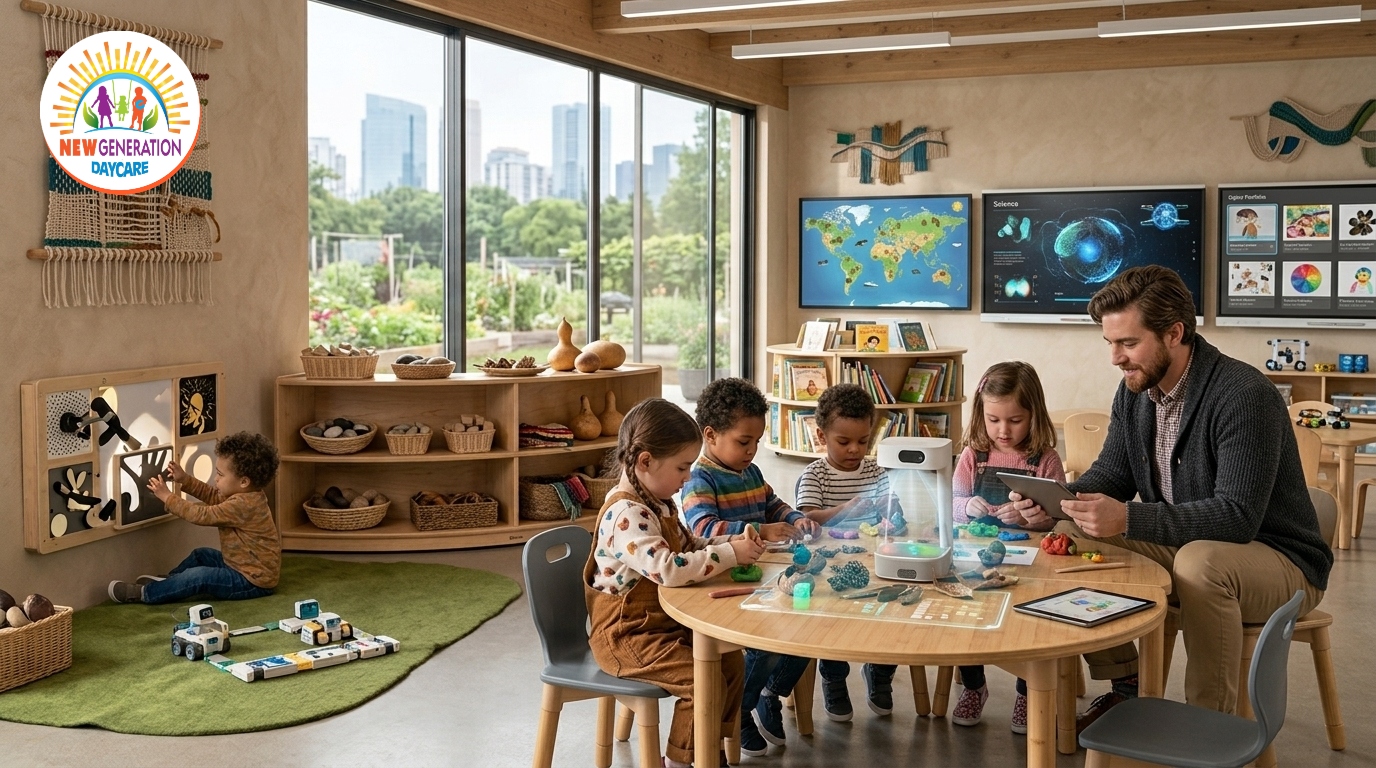
Many children begin preschool around age 3 or 4, but there’s no single “correct” starting age that applies to every child or every school. The right time to start preschool depends on your child’s individual development, your family’s needs, and the specific enrollment requirements of the program you’re considering.
If you’re a Staten Island parent trying to figure out when preschool makes sense for your child, it helps to understand the general age ranges involved, what programs typically look for, and how to recognize readiness in your own child.
What Age Does Preschool Usually Start?
Preschool programs commonly serve children starting around age 3, with many also welcoming 4-year-olds. That said, this is a general pattern, not a fixed rule.
- Preschool around age 3: Many programs consider age 3 a common starting point, often as children gain more language, independence, and comfort in group settings.
- Preschool around age 4: Some children start a year later, either because a program’s age requirements start there or because families choose to wait based on their child’s development.
- Program-to-program differences: Some early childhood centers accept children younger than 3, while others set their minimum age higher. Class structure, staffing, and licensing requirements can all influence this.
Because starting ages vary so much between schools, it’s important to check the specific age requirements of any program you’re considering rather than assuming a universal standard.
Is 2 Too Young for Preschool?
Not necessarily. Some early childhood programs accept children starting at age 2, often in a classroom designed specifically for toddlers before they move into a more structured preschool setting. Whether age 2 is the right time depends heavily on the individual child and the specific program’s approach.
A few factors parents often consider at this age include:
- Communication skills, even simple ones
- Ability to participate in basic group activities
- Comfort being away from a parent for periods of time
- Ability to follow simple routines
- Interest in exploring and trying new things
- Basic self-help skills, like attempting to feed themselves
These are general considerations, not a rigid checklist a child must fully meet before starting. Every child develops differently, and many programs designed for younger toddlers build in extra support for skills that are still developing.
How Do You Know Your Child Is Ready for Preschool?
Readiness looks different for every child, but there are some general signs parents can look for when deciding if the timing feels right:
- Shows curiosity about new activities or environments
- Can participate in simple, predictable routines
- Is beginning to communicate basic needs
- Shows interest in interacting with other children
- Is becoming more independent with small tasks
- Can separate from a parent with some support and reassurance
- Enjoys stories, songs, games, or hands-on activities
It’s worth remembering that children reach these milestones at different rates, and that’s completely normal. A child who isn’t fully independent yet, for example, can still do well in a supportive preschool classroom.
Preschool vs. Toddler Care vs. Pre-K
Understanding how these stages generally differ can help make the decision less confusing:
|
Toddler Care |
Preschool |
Pre-K |
|
|
Typical stage |
Younger, early developmental stage |
Early-to-mid preschool years |
Year(s) before kindergarten |
|
Main focus |
Care, routines, early exploration |
Early academic and social skill-building |
More structured school-readiness skills |
|
Social development |
Early peer exposure |
Regular group interaction |
More advanced group participation |
|
Independence |
Just beginning |
Actively developing |
More established |
|
Kindergarten prep |
Not a primary focus |
Builds foundational skills |
Often a core focus |
These are general patterns, not exact age brackets that apply to every program. Different early learning centers structure their classrooms differently, so it’s worth asking a specific school how it defines and separates these stages.
What Do Children Learn in Preschool?
Preschool generally supports development across several connected areas, including:
- Early literacy and language exposure
- Early math concepts
- Communication skills
- Social-emotional development
- Fine motor skills
- Gross motor skills
- Creative expression
- Simple problem-solving
- Growing independence
At New Generation Learning Center, for example, the preschool classroom includes activities like counting to 10 and identifying objects to build early numerical skills, imaginative play to encourage creativity, and activities that support social and emotional growth alongside critical thinking. The program also includes structured physical activities for gross motor development, practice with pencil grip and early writing for fine motor skills, and art classes and performances for creative expression, guided by certified Early Childhood Education teachers.
What Age Does New Generation Learning Center Accept?
According to New Generation Learning Center’s website, the center welcomes children from age 2 through age 5. This doesn’t mean every child in that range is automatically placed in the same classroom; early learning centers typically group children by age and developmental stage, moving them through different programs as they grow.
For families exploring options in this age range, it’s worth looking specifically at New Generation’s preschool program to understand how it fits into the center’s broader age range and how the classroom supports early academic, social, and physical development.
Questions Parents Should Ask Before Choosing a Preschool
Whether you’re considering New Generation Learning Center or another program, these questions can help you evaluate fit:
- What age range does the program accept, and how are classrooms grouped?
- What does a typical day look like?
- How does the program support social development?
- What learning activities are included in the daily routine?
- How does the program prepare children for the next stage of learning?
- How are parents updated on their child’s progress?
- What are the school’s hours and enrollment procedures?
Asking these questions directly gives you accurate, current answers specific to the program you’re considering, rather than relying on general assumptions.
Final Thoughts
There’s no single perfect age for every child to start preschool. The right decision depends on your child’s developmental stage, your family’s circumstances, the structure of the program you’re considering, that school’s specific age requirements, and how comfortable your child is with routines and group settings.
If you’re weighing your options in Staten Island, reaching out to a program directly, like New Generation Learning Center, is a good way to get clear answers about enrollment and to see whether the classroom environment feels like the right fit for your child.
Frequently Asked Questions
What age do children usually start preschool?
Many children start preschool around age 3 or 4, though this varies by program. Some schools accept children as young as 2, while others set a higher minimum age.
Can a 2-year-old start preschool?
Some early childhood programs do accept 2-year-olds, often in a classroom designed for younger children. Readiness at this age depends on the individual child and the specific program’s approach.
Is 3 a good age to start preschool?
Age 3 is a common starting point for many preschool programs, as children often begin developing more language, independence, and comfort in group settings around this age. However, readiness varies by child.
What is the difference between preschool and Pre-K?
Preschool generally focuses on early academic and social skill-building for younger children, while Pre-K typically involves more structured school-readiness activities in the year or two before kindergarten. Exact ages and structure vary by program.
How do I know if my child is ready for preschool?
Signs of readiness can include curiosity, growing independence, basic communication skills, and interest in interacting with other children. Children develop at different rates, so readiness looks different for every child.
What should parents look for in a preschool program?
Consider the program’s age requirements, daily structure, balance of learning and play, teacher support, and how well the schedule and environment fit your child’s needs and your family’s routine.
