


What to Pack for Preschool: A Complete Checklist for Staten Island Parents
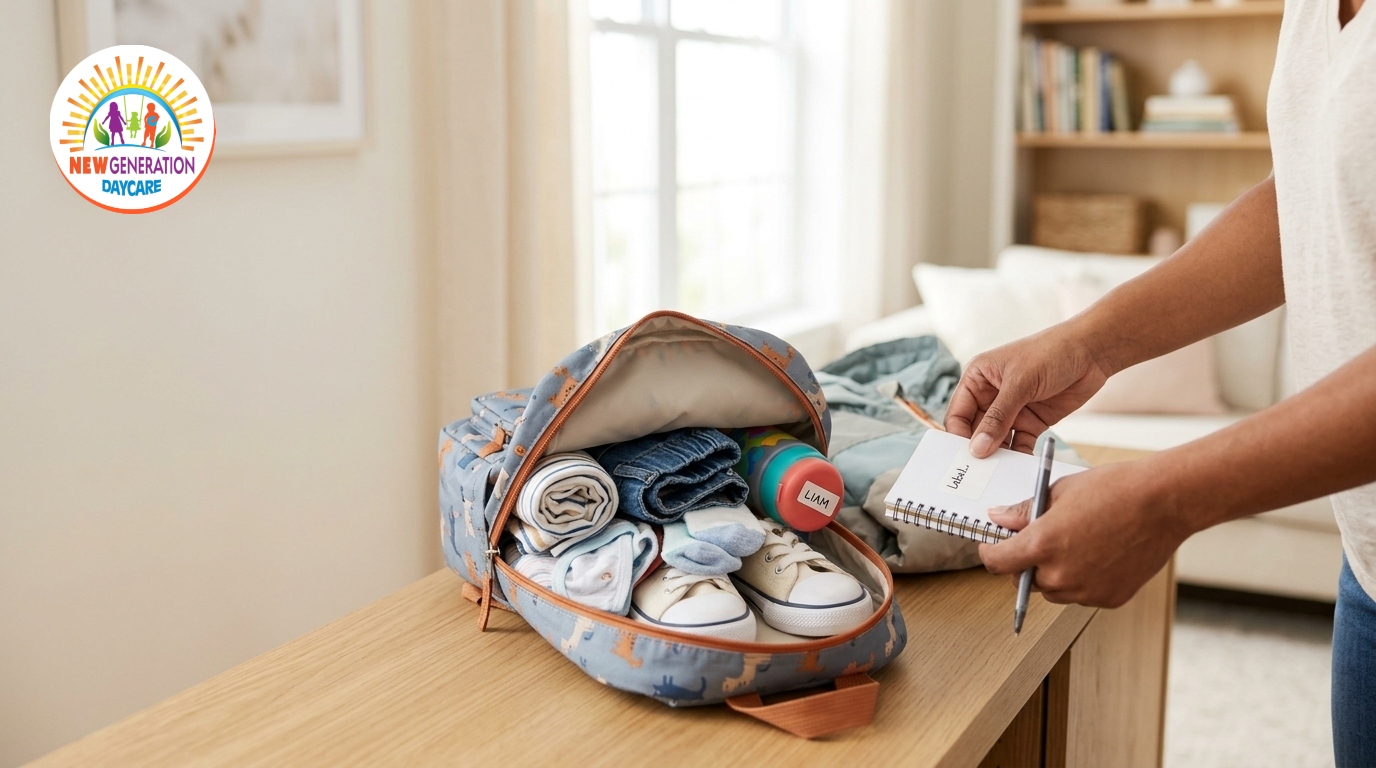
Packing for preschool is one of those tasks that sounds simple until you’re standing in front of an empty backpack wondering what your child actually needs. Every school has its own specific requirements, but there are some common essentials most preschoolers benefit from having on hand, whether it’s their first week of class or their fiftieth.
This checklist walks through what to pack for preschool, what’s usually optional, and a few seasonal considerations worth thinking about for families here in Staten Island.
Preschool Packing Checklist: The Essentials
Most preschools ask parents to send a similar core set of items, though the exact requirements will vary by program. Here’s a general starting point.
A Reliable Backpack
A backpack sized appropriately for a young child makes it easier for them to carry and manage their own belongings. Look for one that’s:
- Lightweight and easy for a small child to put on and take off
- Roomy enough for a change of clothes and a water bottle
- Simple to open and close independently, when possible
A backpack that’s too bulky or complicated can actually make mornings harder, so simplicity is usually the better choice at this age.
A Full Change of Clothes
Accidents, spills, and messy art projects are a normal part of preschool life. Most programs ask parents to keep a complete backup outfit at school, including:
- A shirt
- Pants or leggings
- Socks
- Underwear
It’s worth packing a full outfit rather than just a partial one, since even small spills can mean a top-to-bottom change is needed.
Extra Underwear and Socks
Beyond the full backup outfit, some preschools ask for an additional pair of underwear and socks, especially for children who are newly potty trained. This isn’t the case everywhere, so it’s worth checking with your specific program.
Comfortable, Practical Shoes
Preschoolers spend a lot of their day moving: running outside, climbing on play structures, and sitting on the floor for group activities. Comfortable, well-fitting shoes that are easy for a child to walk and play in matter more than style at this age. Sneakers or similar closed-toe shoes are usually a safe, practical choice, especially in classrooms with an active preschool program that includes daily physical activity.
A Labeled Water Bottle
A reusable, easy-to-open water bottle helps keep your child hydrated throughout the day. Choose one that’s simple enough for your child to manage on their own, and make sure it’s clearly labeled with their name.
Weather-Appropriate Clothing
Depending on the season, your child may need an extra layer packed in their bag or hung on a coat hook at school. This is covered in more detail in the seasonal section below.
Items That May Be Required Depending on the Preschool
Some items aren’t universal but come up often enough to be worth checking on:
- Nap or rest items; If the program includes a rest period, some schools ask for a small blanket, mat cover, or comfort item specifically for naptime.
- Bibs or smocks; Useful for messy art projects or snack time in some classrooms.
- Indoor shoes or slippers; A few programs ask children to change into indoor footwear once they arrive.
- Diapers or pull-ups and wipes; Relevant for children who aren’t yet fully potty trained.
Because policies differ so much from one preschool to another, it’s always worth checking your child’s specific preschool requirements directly with the school before the first day, rather than assuming what worked at one program applies everywhere.
Personal Comfort Items: When They’re Appropriate
Many young children feel more settled with a small piece of home nearby, especially during the early weeks of adjusting to a new classroom. Some preschools allow a single small comfort item, such as:
- A small stuffed animal
- A family photo
- A soft blanket for rest time
If your child’s school allows this, one small item is usually enough. Sending too many personal items can lead to mix-ups, distraction, or lost belongings, so it’s worth keeping this to a minimum and confirming the school’s specific policy first.
Labeling and Organizing Belongings
With a room full of preschoolers, it’s easy for backpacks, water bottles, and jackets to get mixed up. A little organization at home goes a long way.
A few practical tips:
- Label everything, including clothing, shoes, water bottles, and backpacks, with your child’s name using permanent marker, iron-on labels, or sticker labels.
- Pack a spare outfit in a labeled bag inside the backpack so it’s easy for a teacher to find quickly if needed.
- Choose distinct or colorful items when possible, since a plain black backpack or water bottle can easily be confused with another child’s.
- Do a weekly check of your child’s bag to restock anything that’s been used, like a spare outfit that hasn’t been replaced after an accident.
These small habits make mornings smoother and help teachers quickly identify what belongs to whom.
Seasonal Packing Considerations for Staten Island Families
Staten Island’s weather shifts noticeably across the year, so what your child needs in their bag will change with the seasons.
Winter
- A warm coat, hat, and gloves or mittens
- Waterproof or insulated boots for snow and slush
- An extra pair of socks, in case shoes or boots get wet
Rainy days
- A lightweight rain jacket or poncho
- Rain boots, if your child’s school allows outdoor play in wet weather
- An umbrella, if your school’s drop-off routine involves walking outside
Warm weather
- Lightweight, breathable clothing
- A sun hat, if outdoor play is part of the daily routine
- Sunscreen, if the school permits parents to send it (some require it to be provided in advance with written permission)
Layering is often the easiest approach during transitional seasons, when mornings can be cool but afternoons warm up.
What Not to Pack for Preschool
Just as important as knowing what to bring is knowing what to leave at home. In general, it’s best to avoid packing:
- Valuable or sentimental items that could be lost or damaged
- Toys from home, unless specifically permitted by the school
- Candy, gum, or snacks that haven’t been approved by the classroom’s food policy
- Electronics, including tablets or handheld games
- Items with small, detachable parts that could pose a choking hazard for younger classmates
Since policies vary by school, it’s always a good idea to ask directly about any restricted items before your child’s first day.
Final Thoughts
Packing for preschool doesn’t need to be complicated once you know the basics: a labeled backpack, a spare outfit, comfortable shoes, a water bottle, and a few seasonal extras cover most of what a young child needs during the school day. From there, it’s mostly about checking in with your specific preschool to confirm any additional requirements, like nap items or comfort objects.
If you’re exploring preschool options in Staten Island and have questions about what your child will need on their first day, scheduling a tour is a good way to see the classroom firsthand and get accurate, up-to-date guidance tailored to your child’s future school.
Frequently Asked Questions
Do all preschools require the same packing list?
No. While many preschools ask for similar basics, like a change of clothes and a water bottle, specific requirements vary by school. It’s best to confirm your child’s preschool’s exact list before their first day.
Should I send snacks with my child to preschool?
This depends on the school’s policy. Some preschools provide snacks, while others ask parents to send their own. Always check with your specific program before packing food.
How many extra outfits should I pack for preschool?
Most schools recommend at least one full backup outfit. Some may ask for an additional set of underwear or socks, particularly for children who are newly potty trained.
Can my child bring a stuffed animal or comfort item to preschool?
Many preschools allow one small comfort item, especially during the early weeks of adjustment, but policies vary. Check with your child’s school to see what’s permitted.
What should I do if my child’s clothes get lost at preschool?
Clearly labeling every item with your child’s name is the best way to prevent mix-ups. If something does go missing, checking in with your child’s teacher is usually the quickest way to track it down.
