


How Preschool Helps Children Build Social Skills and Friendships
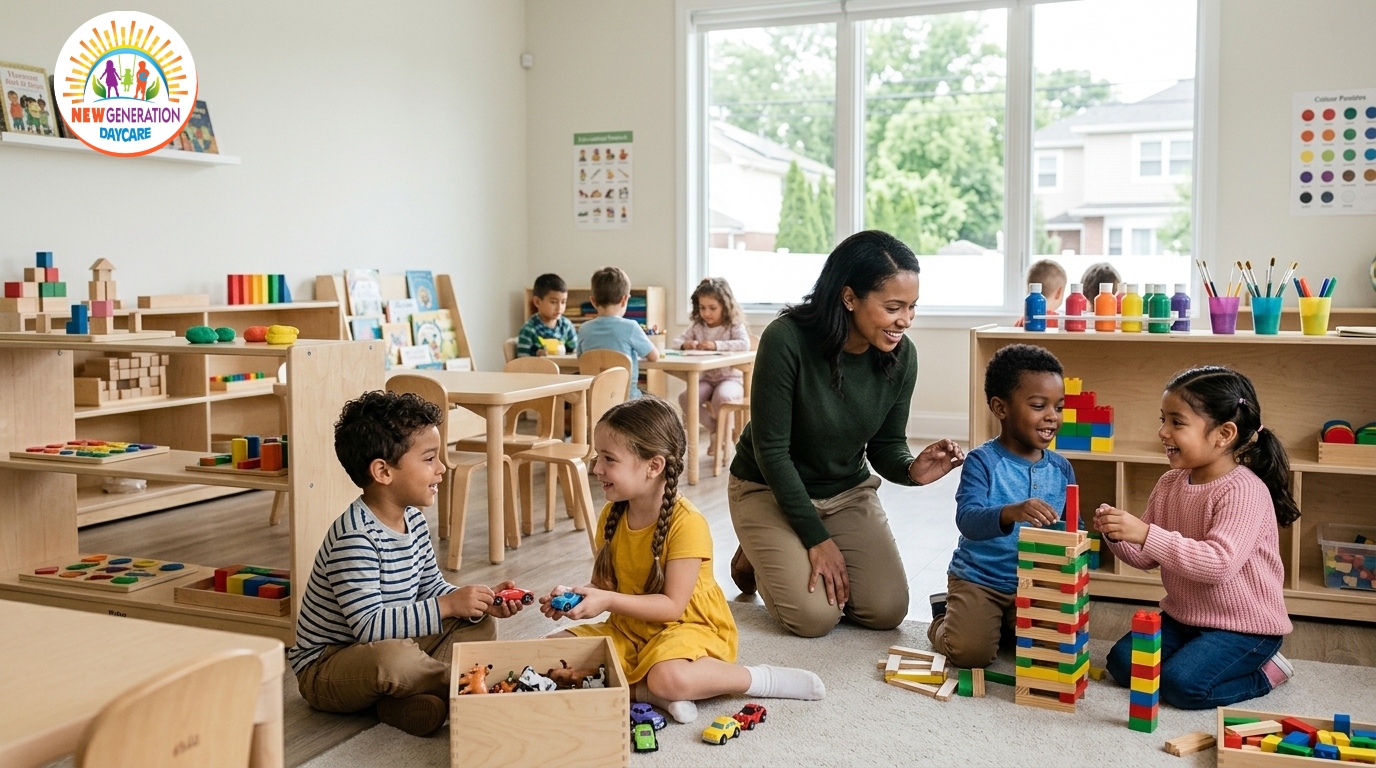
The preschool years are often when children start spending real time away from home, interacting with other kids their own age on a regular basis. For many families, this is the first time a child has to share space, take turns, and work out small disagreements without a parent stepping in immediately. It’s a big shift, and it’s also one of the most valuable parts of early childhood education.
For parents in Staten Island exploring preschool options, social development is often just as important as academics. A good preschool environment gives children consistent, low-pressure opportunities to communicate, cooperate, and start building friendships, all while learning at their own pace.
Why Social Skills Matter During the Preschool Years
Preschool-age children are still learning the basics of getting along with others. Skills like communicating clearly, listening, sharing, and taking turns don’t come naturally right away. They develop gradually, through repeated practice and guidance.
Some of the social skills children typically work on during this stage include:
- Communicating wants and needs
- Listening to others
- Sharing materials and toys
- Taking turns during games or activities
- Cooperating with classmates
- Following group routines
- Expressing feelings in appropriate ways
- Asking an adult for help when needed
- Building early relationships with peers
It’s worth remembering that children reach these milestones at different rates. A preschool classroom simply gives them regular chances to practice.
How Preschool Helps Children Make Friends
Spending time in a classroom with the same group of peers day after day naturally creates opportunities for friendship. Preschool gives children a chance to meet other kids, start simple conversations, and take part in shared play on a consistent basis.
Over time, children often discover common interests with classmates, whether that’s a favorite game, a shared love of building blocks, or an interest in the same story. Repeated interaction also builds familiarity and trust, which are the early building blocks of friendship.
That said, not every child forms friendships at the same pace, and preschool can’t guarantee specific social outcomes. What it can offer is a steady, supportive setting where those relationships have room to grow.
Social Skills Children Can Practice in Preschool
Sharing and Taking Turns
Classroom activities and group play regularly call for waiting, sharing materials, and taking turns, whether it’s during a game or while using a popular toy. These small, repeated moments help children get more comfortable with patience and fairness.
Communication
Preschool gives children daily chances to practice listening, speaking up, asking questions, and expressing their needs in words rather than frustration.
Cooperation
Group projects, games, and collaborative play all require children to work with others toward a shared goal, which helps build early teamwork skills.
Managing Feelings
Preschoolers are also learning to recognize their own emotions and express them appropriately, and to seek out an adult when they need support working through a big feeling.
Conflict Resolution
Disagreements are a normal part of group play. With a teacher’s guidance, children can begin learning simple, age-appropriate ways to work through conflicts, like taking turns talking or finding a compromise.
Preschool Activities That Encourage Social Development
Many everyday preschool activities create natural opportunities for social interaction, including:
- Group story time
- Circle time
- Cooperative games
- Pretend and imaginative play
- Art projects
- Building activities
- Music and movement
- Outdoor play
- Small-group activities
These activities work well for social development because they require communication and cooperation as a natural part of the task, not as a separate lesson.
The Role of Teachers in Building Social Skills
Preschool teachers play a big part in how comfortable children feel navigating social situations. A supportive teacher can help by:
- Modeling respectful, clear communication
- Guiding children through group activities
- Helping children understand classroom expectations
- Supporting children through disagreements
- Encouraging cooperation between classmates
- Making sure every child has a chance to participate
This kind of steady guidance helps children build confidence in social settings over time.
What Staten Island Parents Should Look for in a Preschool
When comparing preschool options in Staten Island, it helps to look specifically at how a program supports social development, not just academics. Consider:
- A safe, nurturing classroom environment
- Regular opportunities for peer interaction
- Age-appropriate activities and games
- Teachers who actively support children through group activities
- A healthy balance between structured learning and free play
- Clear, consistent classroom routines
- Open communication between teachers and parents
- A mix of group and individual activities
A preschool program in Staten Island that pays attention to these details tends to give children a more well-rounded early experience.
Supporting Social Skills at Home
Preschool isn’t the only place children build social skills. Parents can reinforce this growth at home with simple, everyday habits:
- Arrange age-appropriate playdates or group activities
- Practice taking turns during games at home
- Read stories about friendship and emotions together
- Encourage your child to name and express their feelings
- Model respectful, calm communication
- Notice and praise positive social behavior when you see it
Small, consistent efforts at home can complement what children are already practicing in the classroom.
Building Social Skills at New Generation Learning Center
At New Generation Learning Center, our preschool program includes activities that naturally support social and emotional growth alongside early academics. Children take part in imaginative play using props to explore dramatic arts, which gives them regular chances to interact and build ideas together with classmates.
The program also promotes social and emotional growth through activities that develop critical thinking, helping children practice working through situations as part of a group. This is guided by certified Early Childhood Education teachers as part of our broader curriculum.
If you’d like to see how our preschool classroom supports social interaction firsthand, you’re welcome to schedule a tour of our Staten Island location.
Frequently Asked Questions
How does preschool help children develop social skills?
Preschool gives children regular, structured opportunities to interact with peers through group activities, play, and daily routines, which helps them practice communication, sharing, and cooperation.
How do preschoolers learn to make friends?
Consistent interaction with the same group of classmates over time helps children discover shared interests, build familiarity, and practice social skills that support early friendships.
What social skills should a preschooler develop?
Common social skills include communicating needs, listening, sharing, taking turns, cooperating with others, and beginning to manage emotions and simple conflicts. Children develop these at their own pace.
What preschool activities help children build friendships?
Activities like group story time, circle time, cooperative games, pretend play, and small-group projects all create natural opportunities for children to interact and connect with peers.
How can parents support social skills at home?
Parents can reinforce classroom learning by arranging playdates, practicing turn-taking, reading books about friendship and emotions, and modeling respectful communication at home.
- Preschool Parent-Teacher Communication: What Staten Island Parents Should Know
- What to Pack for Preschool: A Complete Checklist for Staten Island Parents
- Preschool Learning Activities Parents Can Try at Home in Staten Island
- How to Help Your Child Adjust to a New Preschool in Staten Island
- What Age Does Preschool Start in Staten Island? A Parent's Guide
