


How Preschool Helps Children Build Social Skills and Friendships
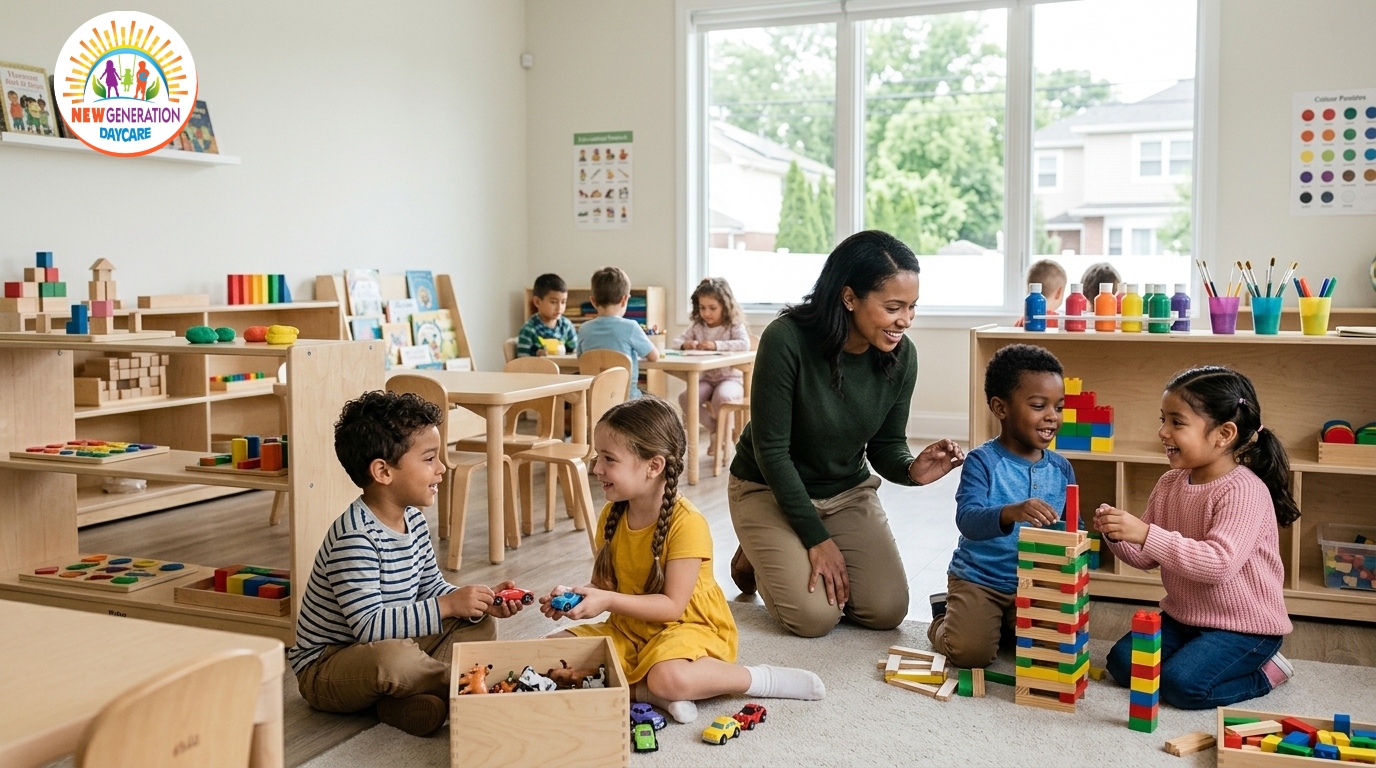
The preschool years are often when children start spending real time away from home, interacting with other kids their own age on a regular basis. For many families, this is the first time a child has to share space, take turns, and work out small disagreements without a parent stepping in immediately. It’s a big shift, and it’s also one of the most valuable parts of early childhood education.
For parents in Staten Island exploring preschool options, social development is often just as important as academics. A good preschool environment gives children consistent, low-pressure opportunities to communicate, cooperate, and start building friendships, all while learning at their own pace.
Why Social Skills Matter During the Preschool Years
Preschool-age children are still learning the basics of getting along with others. Skills like communicating clearly, listening, sharing, and taking turns don’t come naturally right away. They develop gradually, through repeated practice and guidance.
Some of the social skills children typically work on during this stage include:
- Communicating wants and needs
- Listening to others
- Sharing materials and toys
- Taking turns during games or activities
- Cooperating with classmates
- Following group routines
- Expressing feelings in appropriate ways
- Asking an adult for help when needed
- Building early relationships with peers
It’s worth remembering that children reach these milestones at different rates. A preschool classroom simply gives them regular chances to practice.
How Preschool Helps Children Make Friends
Spending time in a classroom with the same group of peers day after day naturally creates opportunities for friendship. Preschool gives children a chance to meet other kids, start simple conversations, and take part in shared play on a consistent basis.
Over time, children often discover common interests with classmates, whether that’s a favorite game, a shared love of building blocks, or an interest in the same story. Repeated interaction also builds familiarity and trust, which are the early building blocks of friendship.
That said, not every child forms friendships at the same pace, and preschool can’t guarantee specific social outcomes. What it can offer is a steady, supportive setting where those relationships have room to grow.
Social Skills Children Can Practice in Preschool
Sharing and Taking Turns
Classroom activities and group play regularly call for waiting, sharing materials, and taking turns, whether it’s during a game or while using a popular toy. These small, repeated moments help children get more comfortable with patience and fairness.
Communication
Preschool gives children daily chances to practice listening, speaking up, asking questions, and expressing their needs in words rather than frustration.
Cooperation
Group projects, games, and collaborative play all require children to work with others toward a shared goal, which helps build early teamwork skills.
Managing Feelings
Preschoolers are also learning to recognize their own emotions and express them appropriately, and to seek out an adult when they need support working through a big feeling.
Conflict Resolution
Disagreements are a normal part of group play. With a teacher’s guidance, children can begin learning simple, age-appropriate ways to work through conflicts, like taking turns talking or finding a compromise.
Preschool Activities That Encourage Social Development
Many everyday preschool activities create natural opportunities for social interaction, including:
- Group story time
- Circle time
- Cooperative games
- Pretend and imaginative play
- Art projects
- Building activities
- Music and movement
- Outdoor play
- Small-group activities
These activities work well for social development because they require communication and cooperation as a natural part of the task, not as a separate lesson.
The Role of Teachers in Building Social Skills
Preschool teachers play a big part in how comfortable children feel navigating social situations. A supportive teacher can help by:
- Modeling respectful, clear communication
- Guiding children through group activities
- Helping children understand classroom expectations
- Supporting children through disagreements
- Encouraging cooperation between classmates
- Making sure every child has a chance to participate
This kind of steady guidance helps children build confidence in social settings over time.
What Staten Island Parents Should Look for in a Preschool
When comparing preschool options in Staten Island, it helps to look specifically at how a program supports social development, not just academics. Consider:
- A safe, nurturing classroom environment
- Regular opportunities for peer interaction
- Age-appropriate activities and games
- Teachers who actively support children through group activities
- A healthy balance between structured learning and free play
- Clear, consistent classroom routines
- Open communication between teachers and parents
- A mix of group and individual activities
A preschool program in Staten Island that pays attention to these details tends to give children a more well-rounded early experience.
Supporting Social Skills at Home
Preschool isn’t the only place children build social skills. Parents can reinforce this growth at home with simple, everyday habits:
- Arrange age-appropriate playdates or group activities
- Practice taking turns during games at home
- Read stories about friendship and emotions together
- Encourage your child to name and express their feelings
- Model respectful, calm communication
- Notice and praise positive social behavior when you see it
Small, consistent efforts at home can complement what children are already practicing in the classroom.
Building Social Skills at New Generation Learning Center
At New Generation Learning Center, our preschool program includes activities that naturally support social and emotional growth alongside early academics. Children take part in imaginative play using props to explore dramatic arts, which gives them regular chances to interact and build ideas together with classmates.
The program also promotes social and emotional growth through activities that develop critical thinking, helping children practice working through situations as part of a group. This is guided by certified Early Childhood Education teachers as part of our broader curriculum.
If you’d like to see how our preschool classroom supports social interaction firsthand, you’re welcome to schedule a tour of our Staten Island location.
Frequently Asked Questions
How does preschool help children develop social skills?
Preschool gives children regular, structured opportunities to interact with peers through group activities, play, and daily routines, which helps them practice communication, sharing, and cooperation.
How do preschoolers learn to make friends?
Consistent interaction with the same group of classmates over time helps children discover shared interests, build familiarity, and practice social skills that support early friendships.
What social skills should a preschooler develop?
Common social skills include communicating needs, listening, sharing, taking turns, cooperating with others, and beginning to manage emotions and simple conflicts. Children develop these at their own pace.
What preschool activities help children build friendships?
Activities like group story time, circle time, cooperative games, pretend play, and small-group projects all create natural opportunities for children to interact and connect with peers.
How can parents support social skills at home?
Parents can reinforce classroom learning by arranging playdates, practicing turn-taking, reading books about friendship and emotions, and modeling respectful communication at home.
Preschool Daily Schedule: What Does a Typical Day Look Like for Children?
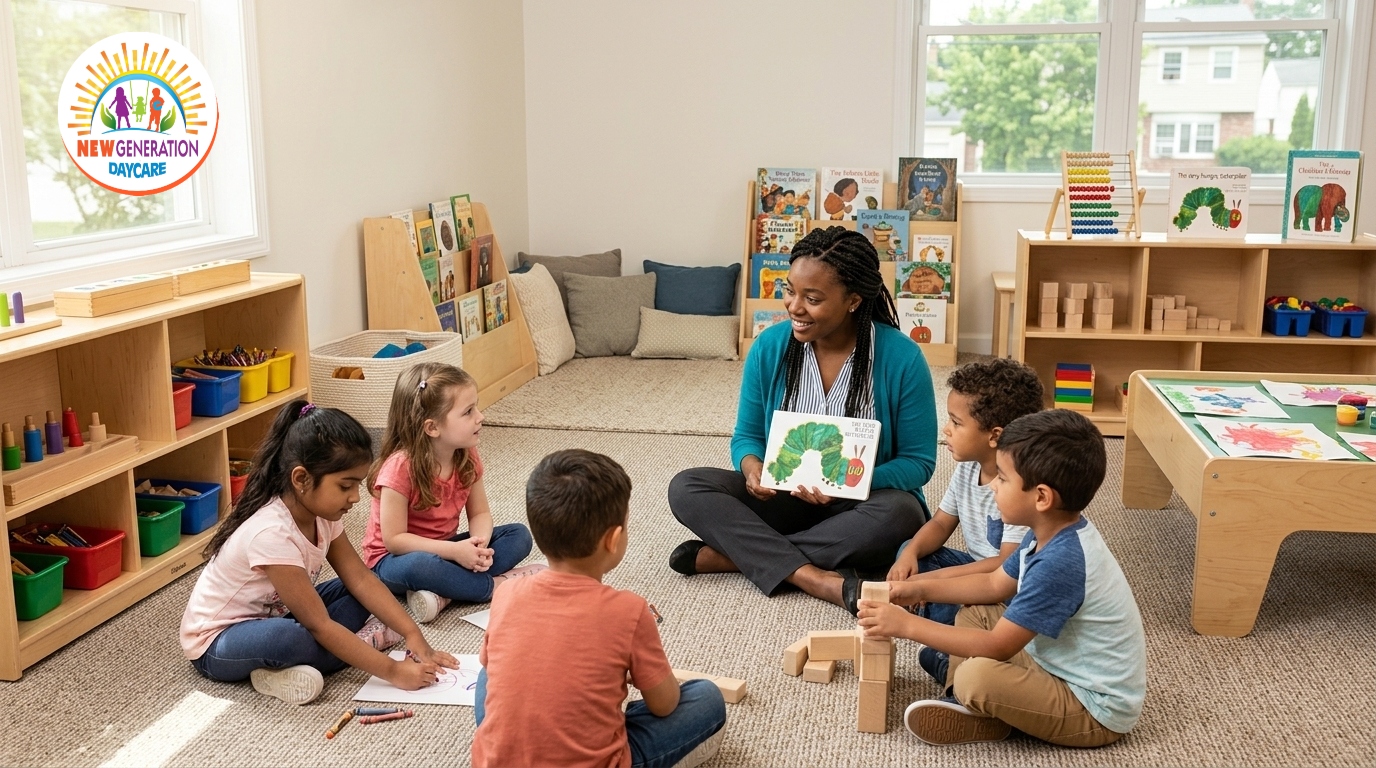
If you’re a parent researching preschool options, you’ve probably wondered what your child’s day actually looks like once you drop them off. It’s a fair question. A preschool day is built around more than just supervision; it usually follows a rhythm designed to help children feel settled, engaged, and ready to participate.
Understanding a typical preschool daily schedule can also help you compare programs and figure out what matters most for your child’s age and personality.
What Does a Typical Preschool Day Look Like?
Most preschool programs follow a general daily routine that balances structured learning, free play, movement, and rest. While the exact order and timing differ from school to school, a typical preschool day usually includes:
- A welcoming arrival period
- Group or circle time
- Hands-on learning activities
- Snack or mealtime
- Outdoor or active play
- Creative activities like art or music
- Story or reading time
- A calm wind-down before pickup
The specific mix depends on the school, the age group, and even the day itself.
Sample Preschool Daily Schedule
To give you a general sense of what a preschool day might include, here’s a sample daily routine. This is an illustrative example only; actual schedules vary by program, classroom, and children’s individual needs.
Arrival and Greeting
Children arrive and are welcomed into the classroom, often with a simple morning routine like hanging up belongings or choosing a quiet activity.
Morning Circle Time
The class gathers as a group for songs, a calendar routine, or a discussion about the day ahead. This is often when early literacy and communication skills get practiced.
Learning Activities
Teachers guide small or large groups through hands-on activities focused on early math, language, or problem-solving.
Snack Time
A short break for a snack, which also gives children a chance to socialize in a more relaxed setting.
Outdoor or Active Play
Time outside or in a gym space supports physical activity and gross motor development.
Creative Activities
Art, music, or imaginative play activities give children room for creative expression.
Story or Reading Time
A quieter part of the day focused on listening skills and early literacy.
Rest or Quiet Time
Depending on the age group, this may include a nap or a calmer, low-stimulation activity.
End-of-Day Routine
A wind-down period before pickup, often including cleanup and a closing group activity.
Again, this is a general example; every preschool structures its day a little differently based on its own approach and the needs of its students.
What Do Children Learn During the Day?
Even in a single day, preschool activities tend to touch on several areas of development at once:
- Language and literacy, through conversation, story time, and vocabulary-building activities
- Early math concepts, through counting, sorting, and hands-on activities
- Social skills, through group activities, sharing, and cooperative play
- Communication, through group discussions and everyday interactions with peers and teachers
- Creativity, through art, music, and imaginative play
- Fine and gross motor skills, through activities like drawing, building with blocks, and outdoor play
- Independence, through daily routines like cleaning up or making simple choices
These areas naturally build on each other throughout the day rather than being taught in isolation.
Why Is a Preschool Routine Important?
A predictable routine gives young children something to rely on. When kids know roughly what to expect next, they tend to transition between activities more smoothly and feel more comfortable participating.
Routines also give children repeated opportunities to practice independence, like following classroom steps without constant reminders, and to build confidence in a familiar structure. Over time, this consistency can make the classroom feel like a safe, understandable place rather than an unpredictable one.
What Should Parents Look for in a Preschool Schedule?
When comparing preschool programs, it helps to look at how a school structures its day. A few things worth considering:
- Age-appropriate activities suited to your child’s developmental stage
- A reasonable balance between structured learning and free play
- Built-in time for movement and physical activity
- Regular opportunities for social interaction
- Flexible, well-managed transitions between activities
- Appropriate meal, snack, or rest periods for the age group
- An overall environment that feels safe and nurturing
Asking a school directly about its daily schedule is one of the best ways to understand whether the pacing and structure will suit your child.
Preschool at New Generation Learning Center in Staten Island
At New Generation Learning Center, our preschool program incorporates many of the developmental areas parents look for in a preschool day. Children work on early numeracy skills like counting to 10 and identifying objects, take part in imaginative play and dramatic arts, and build both gross and fine motor skills through structured activities and early writing practice.
Certified Early Childhood Education teachers guide the program and is part of our broader curriculum, which continues to build on these skills as children progress toward our Pre-K program.
If you’d like to see how a day unfolds in our classroom, you’re welcome to schedule a tour and get a firsthand look at our preschool program in Staten Island.
Frequently Asked Questions
What does a typical preschool day look like?
A typical preschool day generally includes arrival time, group activities, hands-on learning, outdoor play, creative activities, and a rest or quiet period, though the exact schedule varies by program.
How long is a preschool day?
Preschool day length varies significantly by program, ranging from a few hours to a full day. It’s best to check directly with a specific school about its hours.
What activities do children do in preschool?
Common preschool activities include circle time, early math and literacy exercises, art and creative play, outdoor time, and group social activities.
Why is a daily routine important for preschoolers?
A predictable routine helps children understand what to expect, transition more easily between activities, and build independence and confidence in the classroom.
How should parents choose a preschool program?
Consider the school’s daily structure, teacher qualifications, classroom environment, and how well the schedule and activities suit your child’s age and needs. Visiting the school and asking about a typical day can help you evaluate fit.
