


Preschool Daily Schedule: What Does a Typical Day Look Like for Children?
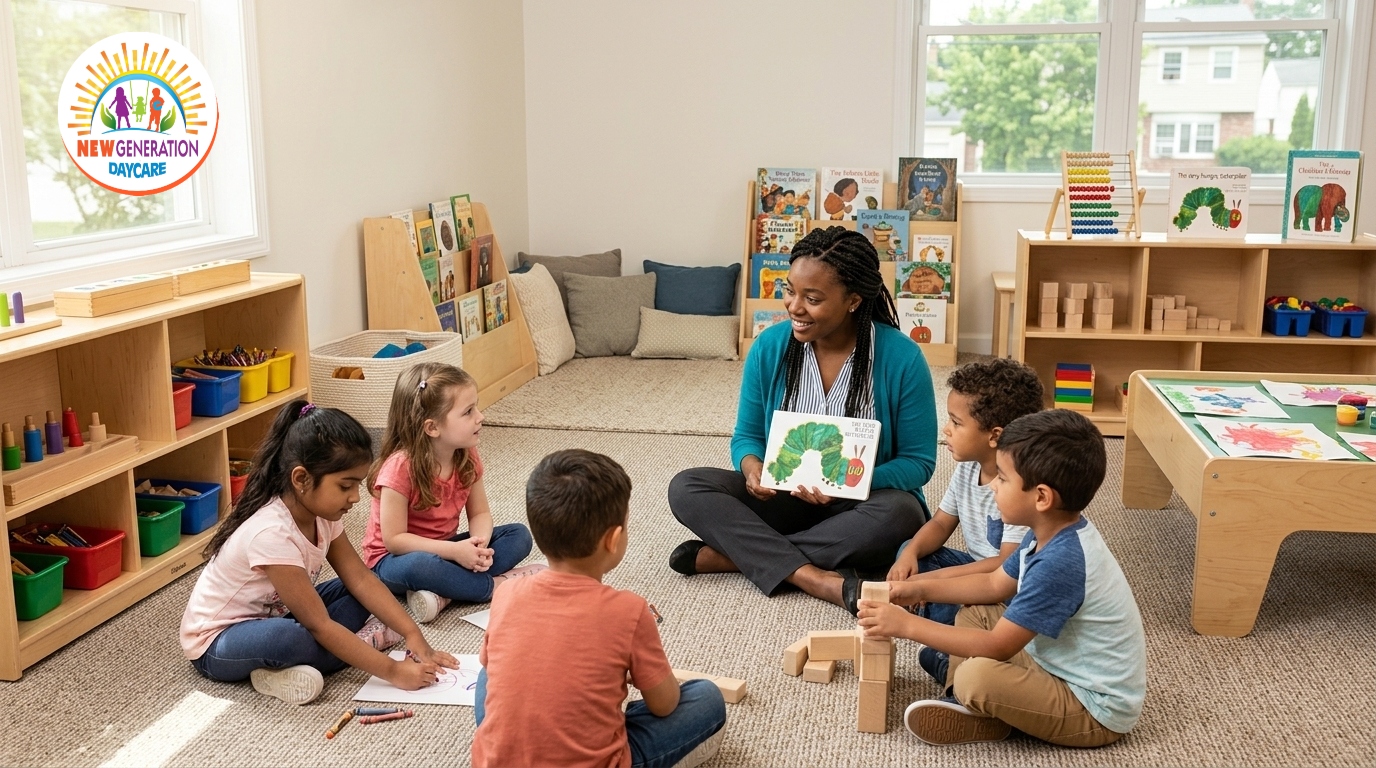
If you’re a parent researching preschool options, you’ve probably wondered what your child’s day actually looks like once you drop them off. It’s a fair question. A preschool day is built around more than just supervision; it usually follows a rhythm designed to help children feel settled, engaged, and ready to participate.
Understanding a typical preschool daily schedule can also help you compare programs and figure out what matters most for your child’s age and personality.
What Does a Typical Preschool Day Look Like?
Most preschool programs follow a general daily routine that balances structured learning, free play, movement, and rest. While the exact order and timing differ from school to school, a typical preschool day usually includes:
- A welcoming arrival period
- Group or circle time
- Hands-on learning activities
- Snack or mealtime
- Outdoor or active play
- Creative activities like art or music
- Story or reading time
- A calm wind-down before pickup
The specific mix depends on the school, the age group, and even the day itself.
Sample Preschool Daily Schedule
To give you a general sense of what a preschool day might include, here’s a sample daily routine. This is an illustrative example only; actual schedules vary by program, classroom, and children’s individual needs.
Arrival and Greeting
Children arrive and are welcomed into the classroom, often with a simple morning routine like hanging up belongings or choosing a quiet activity.
Morning Circle Time
The class gathers as a group for songs, a calendar routine, or a discussion about the day ahead. This is often when early literacy and communication skills get practiced.
Learning Activities
Teachers guide small or large groups through hands-on activities focused on early math, language, or problem-solving.
Snack Time
A short break for a snack, which also gives children a chance to socialize in a more relaxed setting.
Outdoor or Active Play
Time outside or in a gym space supports physical activity and gross motor development.
Creative Activities
Art, music, or imaginative play activities give children room for creative expression.
Story or Reading Time
A quieter part of the day focused on listening skills and early literacy.
Rest or Quiet Time
Depending on the age group, this may include a nap or a calmer, low-stimulation activity.
End-of-Day Routine
A wind-down period before pickup, often including cleanup and a closing group activity.
Again, this is a general example; every preschool structures its day a little differently based on its own approach and the needs of its students.
What Do Children Learn During the Day?
Even in a single day, preschool activities tend to touch on several areas of development at once:
- Language and literacy, through conversation, story time, and vocabulary-building activities
- Early math concepts, through counting, sorting, and hands-on activities
- Social skills, through group activities, sharing, and cooperative play
- Communication, through group discussions and everyday interactions with peers and teachers
- Creativity, through art, music, and imaginative play
- Fine and gross motor skills, through activities like drawing, building with blocks, and outdoor play
- Independence, through daily routines like cleaning up or making simple choices
These areas naturally build on each other throughout the day rather than being taught in isolation.
Why Is a Preschool Routine Important?
A predictable routine gives young children something to rely on. When kids know roughly what to expect next, they tend to transition between activities more smoothly and feel more comfortable participating.
Routines also give children repeated opportunities to practice independence, like following classroom steps without constant reminders, and to build confidence in a familiar structure. Over time, this consistency can make the classroom feel like a safe, understandable place rather than an unpredictable one.
What Should Parents Look for in a Preschool Schedule?
When comparing preschool programs, it helps to look at how a school structures its day. A few things worth considering:
- Age-appropriate activities suited to your child’s developmental stage
- A reasonable balance between structured learning and free play
- Built-in time for movement and physical activity
- Regular opportunities for social interaction
- Flexible, well-managed transitions between activities
- Appropriate meal, snack, or rest periods for the age group
- An overall environment that feels safe and nurturing
Asking a school directly about its daily schedule is one of the best ways to understand whether the pacing and structure will suit your child.
Preschool at New Generation Learning Center in Staten Island
At New Generation Learning Center, our preschool program incorporates many of the developmental areas parents look for in a preschool day. Children work on early numeracy skills like counting to 10 and identifying objects, take part in imaginative play and dramatic arts, and build both gross and fine motor skills through structured activities and early writing practice.
Certified Early Childhood Education teachers guide the program and is part of our broader curriculum, which continues to build on these skills as children progress toward our Pre-K program.
If you’d like to see how a day unfolds in our classroom, you’re welcome to schedule a tour and get a firsthand look at our preschool program in Staten Island.
Frequently Asked Questions
What does a typical preschool day look like?
A typical preschool day generally includes arrival time, group activities, hands-on learning, outdoor play, creative activities, and a rest or quiet period, though the exact schedule varies by program.
How long is a preschool day?
Preschool day length varies significantly by program, ranging from a few hours to a full day. It’s best to check directly with a specific school about its hours.
What activities do children do in preschool?
Common preschool activities include circle time, early math and literacy exercises, art and creative play, outdoor time, and group social activities.
Why is a daily routine important for preschoolers?
A predictable routine helps children understand what to expect, transition more easily between activities, and build independence and confidence in the classroom.
How should parents choose a preschool program?
Consider the school’s daily structure, teacher qualifications, classroom environment, and how well the schedule and activities suit your child’s age and needs. Visiting the school and asking about a typical day can help you evaluate fit.
