


Preschool Parent-Teacher Communication: What Staten Island Parents Should Know
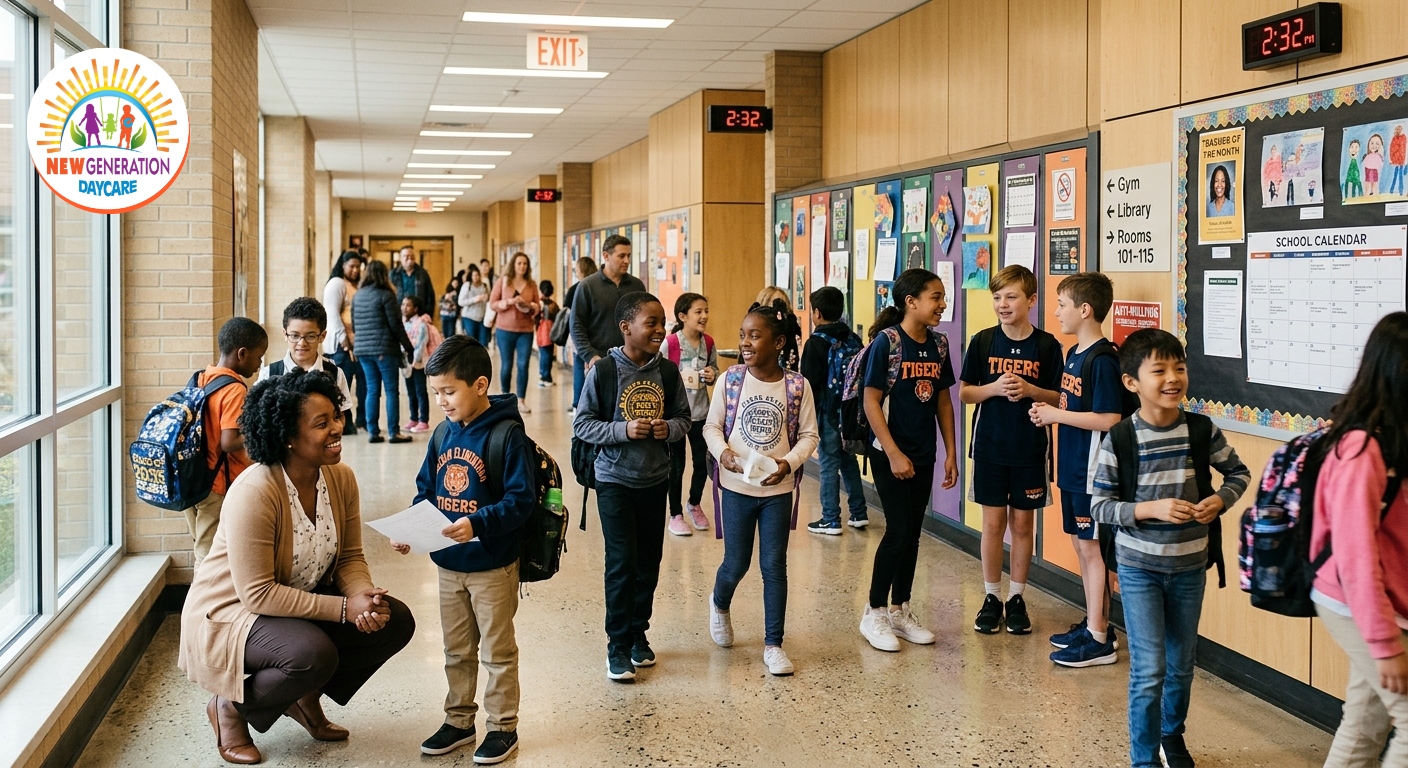
A preschool classroom is often the first place a child spends significant time away from home on a regular basis. Because of that, the relationship between parents and teachers plays a real role in how smoothly a child’s day-to-day experience goes. Good communication doesn’t need to be complicated or time-consuming. It just needs to be consistent, honest, and two-way.
For Staten Island parents navigating preschool for the first time, understanding what to communicate, how often, and through which channels can make the whole experience feel a lot less uncertain.
Why Parent-Teacher Communication Matters in Preschool
Preschool teachers spend hours each day observing your child in a group setting, something most parents don’t get to see firsthand. At the same time, parents know their child’s history, habits, and personality in ways a teacher is still learning. When both sides share what they know, it becomes much easier to support a child consistently between home and the classroom.
Regular communication can also help catch small issues early, whether that’s a change in mood, a new friendship, or a skill a child seems ready to work on next. None of this requires constant back-and-forth. It’s more about keeping a steady, open line of communication throughout the year.
What Parents Should Communicate to Teachers
There are a few areas worth sharing regularly, since they can directly affect how a child’s day goes.
Daily Routine
Let teachers know about anything unusual in your child’s morning, like a late bedtime, a skipped breakfast, or a rushed drop-off. Small details like this can explain behavior that might otherwise seem out of character.
Behavior and Social Interactions
If your child has mentioned a friend, a disagreement, or a specific classmate at home, sharing that with the teacher can help connect the dots between what’s happening at school and what your child is processing afterward.
Learning Progress
Teachers can offer helpful updates on how a child is doing with early academic or developmental skills, and parents can share what they’re noticing at home, like new vocabulary or emerging interests.
Eating and Sleeping Habits
Changes in appetite or sleep can affect a child’s mood and energy at school. If your child skipped a nap or had a rough night, a quick note to the teacher can provide helpful context.
Emotional Changes
If your child seems more clingy, anxious, or emotional than usual, letting the teacher know allows them to offer extra support during the day.
New Interests or Concerns
Whether it’s a new obsession with dinosaurs or a fear of loud noises, sharing new interests or concerns helps teachers plan activities and respond appropriately.
Important Changes at Home
Big life changes, such as a new sibling, a move, a family illness, or a change in caregivers, often affect how a child behaves at school. Teachers can better support your child if they know what’s going on, even in general terms.
Ways Parents Can Communicate With Preschool Teachers
Preschools typically offer a few different ways for parents and teachers to stay in touch.
- Daily conversations during drop-off or pickup, even brief ones, can be a simple way to share quick updates.
- Parent-teacher meetings, often scheduled once or twice a year, allow for a more in-depth conversation about a child’s overall progress and development.
- Phone calls may be used for longer conversations or when something can’t be easily discussed in passing.
- Emails or childcare communication apps are increasingly common ways for teachers to share daily updates, photos, or reminders, and for parents to ask quick questions.
- Progress updates, whether informal notes or more structured reports, can give parents a clearer picture of how their child is developing over time.
Every school handles these differently, so it’s worth checking with your child’s specific preschool program to understand which communication methods they use most often.
Practical Questions Parents Can Ask Teachers
If you’re not sure where to start, these questions can help open up a useful conversation:
- How is my child interacting with other classmates?
- What does a typical day look like for my child specifically?
- Are there any skills my child seems ready to work on next?
- How is my child handling transitions during the day?
- Is there anything I can reinforce at home to support what’s happening in the classroom?
- Has my child mentioned any friends, activities, or interests that stand out?
Asking specific, open-ended questions tends to lead to more useful answers than a general “How’s everything going?”
Sharing Concerns Respectfully and Constructively
If something is bothering you, whether it’s a behavior issue, a scheduling concern, or something your child said about their day, it helps to approach the conversation calmly and with curiosity rather than assumptions.
A few tips:
- Start with a specific example rather than a general complaint
- Ask the teacher what they’ve observed before drawing conclusions
- Frame the conversation as working together toward a solution
- Avoid raising sensitive concerns during a rushed drop-off or pickup moment
Most concerns are easier to resolve when both sides feel like they’re on the same team, rather than in opposition.
Maintaining Positive Communication Throughout the Year
Communication doesn’t need to be constant to be effective. A few habits can help keep things steady over the course of the school year:
- Check in briefly during regular drop-off or pickup, even just to say hello
- Read any newsletters, updates, or communication app notifications teachers send
- Respond to teacher messages in a reasonably timely way
- Share positive feedback, not just concerns, when something is going well
- Attend scheduled parent-teacher meetings when possible
Consistency, even in small doses, tends to build a stronger relationship than infrequent, lengthy conversations.
What to Do If You Have an Urgent or Private Concern
For anything sensitive or time-sensitive, it’s usually best to request a private conversation rather than discussing it during a busy drop-off or pickup window. A quick note, email, or phone call asking to schedule a short call or meeting is generally the most effective approach. This gives the teacher time to prepare and gives both of you space to talk without interruptions or an audience of other children and parents.
If a concern feels urgent, don’t hesitate to ask directly how the school prefers to handle time-sensitive issues, since policies can vary by center.
How Teachers and Parents Can Work Together
The most effective preschool experiences tend to happen when teachers and parents see themselves as partners rather than separate parties. Teachers bring insight into how a child functions in a group setting, while parents bring context about their child’s personality, history, and needs at home.
When both sides stay engaged, whether through casual updates, more organized parent resources, or scheduled meetings, it becomes easier to notice patterns, celebrate progress, and address challenges before they grow.
Final Thoughts
Strong communication between parents and preschool teachers doesn’t require anything elaborate. It’s built through small, consistent moments: a quick update at drop-off, an honest conversation about a concern, or a shared observation about how a child is growing. For Staten Island families, understanding these communication habits early can make the preschool year feel more collaborative and less like guesswork.
If you’re exploring preschool in Staten Island and want to learn more about how a program supports ongoing communication between parents and teachers, feel free to schedule a tour and ask directly about their approach.
Frequently Asked Questions
How often should I communicate with my child’s preschool teacher?
There’s no fixed requirement, but brief regular check-ins, along with more detailed updates during scheduled meetings, tend to work well for most families.
What should I do if I have a concern about my child’s teacher?
Start by scheduling a private, calm conversation to share your specific concern. Most issues can be worked through with open, respectful communication.
Is it okay to email a preschool teacher directly?
Many preschools do allow email or app-based communication, though it’s best to confirm your specific school’s preferred method and typical response time.
What if I don’t hear much from my child’s teacher?
It’s reasonable to ask directly how often updates are typically shared and through which channels, since communication styles vary by teacher and by school.
Can I request a private meeting with my child’s teacher outside of scheduled conferences?
In most cases, yes. Reaching out to request a short call or meeting is usually welcomed, especially for concerns that need more time or privacy than a quick conversation allows.
- Preschool Parent-Teacher Communication: What Staten Island Parents Should Know
- What to Pack for Preschool: A Complete Checklist for Staten Island Parents
- Preschool Learning Activities Parents Can Try at Home in Staten Island
- How to Help Your Child Adjust to a New Preschool in Staten Island
- What Age Does Preschool Start in Staten Island? A Parent's Guide
Preschool Daily Schedule: What Does a Typical Day Look Like for Children?
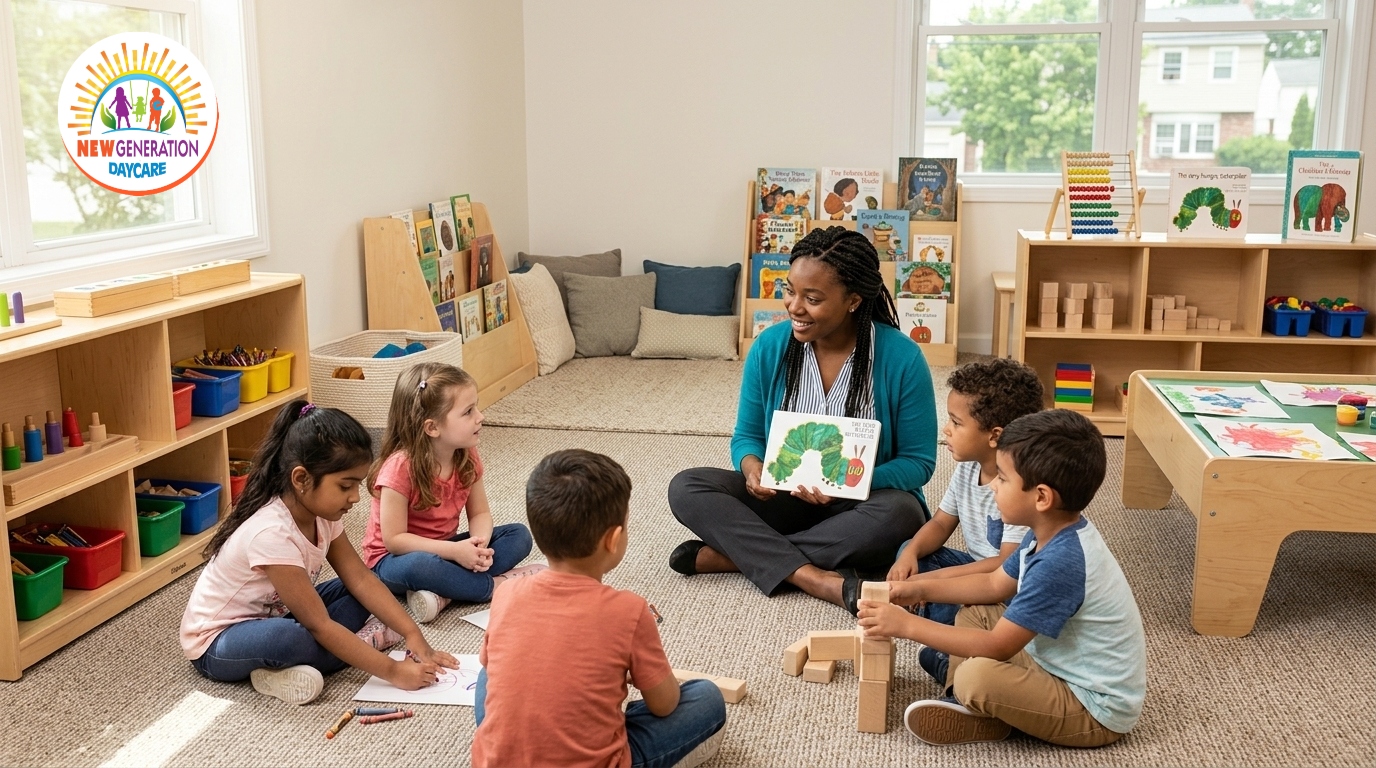
If you’re a parent researching preschool options, you’ve probably wondered what your child’s day actually looks like once you drop them off. It’s a fair question. A preschool day is built around more than just supervision; it usually follows a rhythm designed to help children feel settled, engaged, and ready to participate.
Understanding a typical preschool daily schedule can also help you compare programs and figure out what matters most for your child’s age and personality.
What Does a Typical Preschool Day Look Like?
Most preschool programs follow a general daily routine that balances structured learning, free play, movement, and rest. While the exact order and timing differ from school to school, a typical preschool day usually includes:
- A welcoming arrival period
- Group or circle time
- Hands-on learning activities
- Snack or mealtime
- Outdoor or active play
- Creative activities like art or music
- Story or reading time
- A calm wind-down before pickup
The specific mix depends on the school, the age group, and even the day itself.
Sample Preschool Daily Schedule
To give you a general sense of what a preschool day might include, here’s a sample daily routine. This is an illustrative example only; actual schedules vary by program, classroom, and children’s individual needs.
Arrival and Greeting
Children arrive and are welcomed into the classroom, often with a simple morning routine like hanging up belongings or choosing a quiet activity.
Morning Circle Time
The class gathers as a group for songs, a calendar routine, or a discussion about the day ahead. This is often when early literacy and communication skills get practiced.
Learning Activities
Teachers guide small or large groups through hands-on activities focused on early math, language, or problem-solving.
Snack Time
A short break for a snack, which also gives children a chance to socialize in a more relaxed setting.
Outdoor or Active Play
Time outside or in a gym space supports physical activity and gross motor development.
Creative Activities
Art, music, or imaginative play activities give children room for creative expression.
Story or Reading Time
A quieter part of the day focused on listening skills and early literacy.
Rest or Quiet Time
Depending on the age group, this may include a nap or a calmer, low-stimulation activity.
End-of-Day Routine
A wind-down period before pickup, often including cleanup and a closing group activity.
Again, this is a general example; every preschool structures its day a little differently based on its own approach and the needs of its students.
What Do Children Learn During the Day?
Even in a single day, preschool activities tend to touch on several areas of development at once:
- Language and literacy, through conversation, story time, and vocabulary-building activities
- Early math concepts, through counting, sorting, and hands-on activities
- Social skills, through group activities, sharing, and cooperative play
- Communication, through group discussions and everyday interactions with peers and teachers
- Creativity, through art, music, and imaginative play
- Fine and gross motor skills, through activities like drawing, building with blocks, and outdoor play
- Independence, through daily routines like cleaning up or making simple choices
These areas naturally build on each other throughout the day rather than being taught in isolation.
Why Is a Preschool Routine Important?
A predictable routine gives young children something to rely on. When kids know roughly what to expect next, they tend to transition between activities more smoothly and feel more comfortable participating.
Routines also give children repeated opportunities to practice independence, like following classroom steps without constant reminders, and to build confidence in a familiar structure. Over time, this consistency can make the classroom feel like a safe, understandable place rather than an unpredictable one.
What Should Parents Look for in a Preschool Schedule?
When comparing preschool programs, it helps to look at how a school structures its day. A few things worth considering:
- Age-appropriate activities suited to your child’s developmental stage
- A reasonable balance between structured learning and free play
- Built-in time for movement and physical activity
- Regular opportunities for social interaction
- Flexible, well-managed transitions between activities
- Appropriate meal, snack, or rest periods for the age group
- An overall environment that feels safe and nurturing
Asking a school directly about its daily schedule is one of the best ways to understand whether the pacing and structure will suit your child.
Preschool at New Generation Learning Center in Staten Island
At New Generation Learning Center, our preschool program incorporates many of the developmental areas parents look for in a preschool day. Children work on early numeracy skills like counting to 10 and identifying objects, take part in imaginative play and dramatic arts, and build both gross and fine motor skills through structured activities and early writing practice.
Certified Early Childhood Education teachers guide the program and is part of our broader curriculum, which continues to build on these skills as children progress toward our Pre-K program.
If you’d like to see how a day unfolds in our classroom, you’re welcome to schedule a tour and get a firsthand look at our preschool program in Staten Island.
Frequently Asked Questions
What does a typical preschool day look like?
A typical preschool day generally includes arrival time, group activities, hands-on learning, outdoor play, creative activities, and a rest or quiet period, though the exact schedule varies by program.
How long is a preschool day?
Preschool day length varies significantly by program, ranging from a few hours to a full day. It’s best to check directly with a specific school about its hours.
What activities do children do in preschool?
Common preschool activities include circle time, early math and literacy exercises, art and creative play, outdoor time, and group social activities.
Why is a daily routine important for preschoolers?
A predictable routine helps children understand what to expect, transition more easily between activities, and build independence and confidence in the classroom.
How should parents choose a preschool program?
Consider the school’s daily structure, teacher qualifications, classroom environment, and how well the schedule and activities suit your child’s age and needs. Visiting the school and asking about a typical day can help you evaluate fit.
- Preschool Parent-Teacher Communication: What Staten Island Parents Should Know
- What to Pack for Preschool: A Complete Checklist for Staten Island Parents
- Preschool Learning Activities Parents Can Try at Home in Staten Island
- How to Help Your Child Adjust to a New Preschool in Staten Island
- What Age Does Preschool Start in Staten Island? A Parent's Guide
