


How to Help Your Child Adjust to a New Preschool in Staten Island
preschool in Staten IslandStarting preschool is a big step, both for children and for parents. Even when a child is excited about the idea of school, the first few days or weeks in a new classroom can bring some uncertainty. That’s completely normal. With a bit of preparation and patience, most children settle into their new routine and begin to feel comfortable in their new environment.
If you’re getting ready to enroll your child in a preschool in Staten Island, here are some practical ways to make that transition smoother for everyone involved.
Visit the Preschool Before the First Day
If possible, arrange a visit to the classroom before your child’s official start date. Walking through the space, meeting a teacher, and seeing where drop-off and pickup happen can take away some of the unknown.
Many preschool programs welcome a short tour or visit ahead of enrollment. Seeing the room, the toys, and the general layout in advance can help a child feel a little more familiar with the space once the first real day arrives.
During the visit, you might:
- Point out where your child will hang their backpack or coat
- Show them the play area or reading corner
- Let them meet a teacher, even briefly
- Talk through what a typical day might look like
A short visit won’t erase every nervous feeling, but it often helps take the edge off that first morning.
Build a Consistent Routine Before School Starts
Children tend to feel more secure when their days follow a predictable pattern. In the days or weeks leading up to the preschool start date, it can help to introduce a simple daily rhythm that mirrors what school mornings might look like.
This might include:
- A consistent wake-up and bedtime schedule
- A morning routine for getting dressed and eating breakfast
- Practicing simple tasks like putting on shoes or a backpack
Starting this routine early, rather than waiting until the first day of preschool, gives your child a chance to adjust gradually instead of facing several changes all at once.
Talk About Preschool in a Positive, Simple Way
How you talk about preschool at home can shape how your child feels about it. Keep conversations simple, honest, and upbeat, without overselling or overwhelming them with detail.
A few ideas:
- Read books about starting school or preschool
- Talk about fun parts of the day, like playing with toys or making friends
- Answer questions honestly, even the ones about missing home
- Avoid framing preschool as something to “get through” or worry about
Children often pick up on a parent’s tone. If you feel calm and positive when discussing preschool, that reassurance tends to come across.
Prepare Belongings Together
Getting your child involved in preparing their things for preschool, such as a backpack, a lunch box, or a favorite small item, can create a sense of ownership and excitement.
Simple ways to involve your child:
- Let them choose their backpack or lunch box, if possible
- Practice opening and closing containers they’ll use at school
- Pack a comfort item, if the classroom allows it, like a small photo or a favorite toy
- Label belongings clearly so they’re easy for staff and your child to recognize
These small steps can help your child feel a bit more prepared and in control heading into a new environment.
Handling Separation Anxiety
Separation anxiety is one of the most common challenges during this transition, and it’s rarely a sign that something is wrong. Many young children feel some anxiety about being away from a parent, especially in the first few days of a new setting.
A few approaches that often help:
- Keep goodbyes short, warm, and consistent
- Avoid lingering, which can sometimes make separation harder
- Create a simple goodbye ritual, like a specific wave or phrase
- Reassure your child that you will return at pickup time
Trust that most children settle down within a few minutes of a parent leaving, even if the goodbye itself is hard.
If separation anxiety continues beyond the first couple of weeks, it’s worth talking with your child’s teacher about what they’re observing during the day.
Communicate Openly With Teachers
Teachers spend significant time with your child during the day, and they can often offer valuable insight into how the adjustment is going. Don’t hesitate to ask questions or share information that might help your child settle in.
Helpful things to share with a teacher:
- Your child’s typical routines or comfort habits
- Words or phrases your child uses for common needs
- Anything specific that seems to help your child feel calm
- Updates on how mornings or drop-offs are going at home
Regular, open communication between home and the classroom can make a real difference in how quickly a child settles into their new preschool.
Give Your Child Time
Adjustment doesn’t happen overnight, and that’s okay. Some children settle in within the first few days, while others take a few weeks to feel fully comfortable. Both are normal.
During this period, try to:
- Stick with your established routine, even if some mornings are harder than others
- Avoid comparing your child’s adjustment timeline to another child’s
- Celebrate small signs of progress, like a smoother drop-off or a new friend’s name mentioned at dinner
- Stay patient, since most children do adjust with time and consistency
Every child adjusts at their own pace, and a little extra patience during this stage tends to pay off.
Final Thoughts
Helping a child adjust to a new preschool is rarely about doing everything perfectly. It’s about creating consistency, staying positive, and giving your child the time and support they need to settle in. Whether you’re exploring options for early childhood education or preparing for a preschool start date already on the calendar, small, steady steps at home can make a real difference in how smoothly that transition goes.
If you’re currently comparing childcare in Staten Island or looking into preschool for children in your family, taking time to prepare together, both practically and emotionally, can help set the stage for a positive start.
Frequently Asked Questions
How long does it usually take for a child to adjust to preschool?
Adjustment timelines vary by child. Some settle in within the first few days, while others take a few weeks. Both are considered normal.
Is it normal for my child to cry at drop-off?
Yes, this is a common part of the adjustment process for many young children. Keeping goodbyes short and consistent often helps ease this over time.
Should I stay in the classroom to help my child feel comfortable?
This depends on the specific preschool’s approach. Many programs recommend a brief, warm goodbye rather than staying, since lingering can sometimes make separation harder for a child.
What can I do if my child still seems upset after a few weeks?
If adjustment challenges continue beyond the first couple of weeks, it’s a good idea to talk with your child’s teacher about what they’re observing and whether any additional support might help.
How can I prepare my child at home before their first day?
Building a consistent daily routine, talking positively about school, visiting the classroom in advance if possible, and involving your child in preparing their belongings can all help ease the transition.
What Age Does Preschool Start in Staten Island? A Parent’s Guide
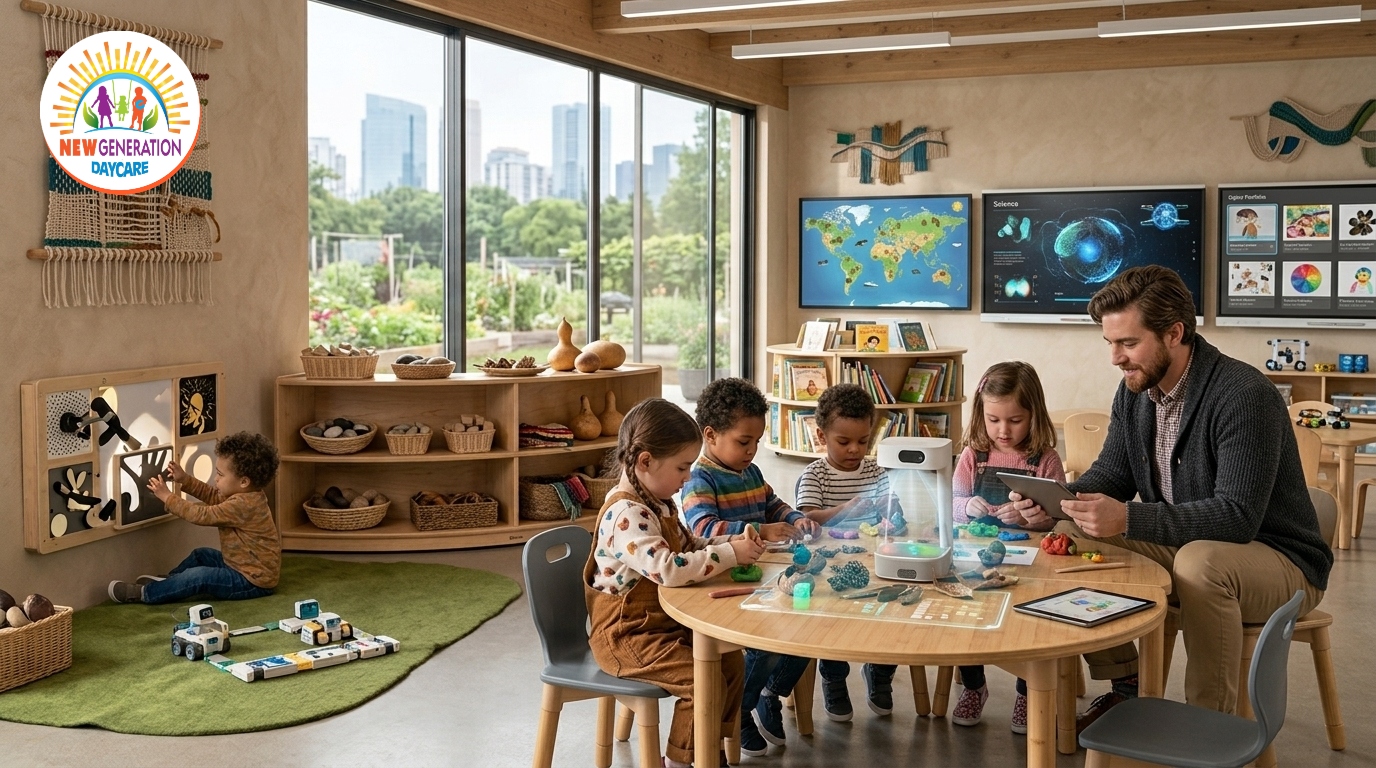
Many children begin preschool around age 3 or 4, but there’s no single “correct” starting age that applies to every child or every school. The right time to start preschool depends on your child’s individual development, your family’s needs, and the specific enrollment requirements of the program you’re considering.
If you’re a Staten Island parent trying to figure out when preschool makes sense for your child, it helps to understand the general age ranges involved, what programs typically look for, and how to recognize readiness in your own child.
What Age Does Preschool Usually Start?
Preschool programs commonly serve children starting around age 3, with many also welcoming 4-year-olds. That said, this is a general pattern, not a fixed rule.
- Preschool around age 3: Many programs consider age 3 a common starting point, often as children gain more language, independence, and comfort in group settings.
- Preschool around age 4: Some children start a year later, either because a program’s age requirements start there or because families choose to wait based on their child’s development.
- Program-to-program differences: Some early childhood centers accept children younger than 3, while others set their minimum age higher. Class structure, staffing, and licensing requirements can all influence this.
Because starting ages vary so much between schools, it’s important to check the specific age requirements of any program you’re considering rather than assuming a universal standard.
Is 2 Too Young for Preschool?
Not necessarily. Some early childhood programs accept children starting at age 2, often in a classroom designed specifically for toddlers before they move into a more structured preschool setting. Whether age 2 is the right time depends heavily on the individual child and the specific program’s approach.
A few factors parents often consider at this age include:
- Communication skills, even simple ones
- Ability to participate in basic group activities
- Comfort being away from a parent for periods of time
- Ability to follow simple routines
- Interest in exploring and trying new things
- Basic self-help skills, like attempting to feed themselves
These are general considerations, not a rigid checklist a child must fully meet before starting. Every child develops differently, and many programs designed for younger toddlers build in extra support for skills that are still developing.
How Do You Know Your Child Is Ready for Preschool?
Readiness looks different for every child, but there are some general signs parents can look for when deciding if the timing feels right:
- Shows curiosity about new activities or environments
- Can participate in simple, predictable routines
- Is beginning to communicate basic needs
- Shows interest in interacting with other children
- Is becoming more independent with small tasks
- Can separate from a parent with some support and reassurance
- Enjoys stories, songs, games, or hands-on activities
It’s worth remembering that children reach these milestones at different rates, and that’s completely normal. A child who isn’t fully independent yet, for example, can still do well in a supportive preschool classroom.
Preschool vs. Toddler Care vs. Pre-K
Understanding how these stages generally differ can help make the decision less confusing:
|
Toddler Care |
Preschool |
Pre-K |
|
|
Typical stage |
Younger, early developmental stage |
Early-to-mid preschool years |
Year(s) before kindergarten |
|
Main focus |
Care, routines, early exploration |
Early academic and social skill-building |
More structured school-readiness skills |
|
Social development |
Early peer exposure |
Regular group interaction |
More advanced group participation |
|
Independence |
Just beginning |
Actively developing |
More established |
|
Kindergarten prep |
Not a primary focus |
Builds foundational skills |
Often a core focus |
These are general patterns, not exact age brackets that apply to every program. Different early learning centers structure their classrooms differently, so it’s worth asking a specific school how it defines and separates these stages.
What Do Children Learn in Preschool?
Preschool generally supports development across several connected areas, including:
- Early literacy and language exposure
- Early math concepts
- Communication skills
- Social-emotional development
- Fine motor skills
- Gross motor skills
- Creative expression
- Simple problem-solving
- Growing independence
At New Generation Learning Center, for example, the preschool classroom includes activities like counting to 10 and identifying objects to build early numerical skills, imaginative play to encourage creativity, and activities that support social and emotional growth alongside critical thinking. The program also includes structured physical activities for gross motor development, practice with pencil grip and early writing for fine motor skills, and art classes and performances for creative expression, guided by certified Early Childhood Education teachers.
What Age Does New Generation Learning Center Accept?
According to New Generation Learning Center’s website, the center welcomes children from age 2 through age 5. This doesn’t mean every child in that range is automatically placed in the same classroom; early learning centers typically group children by age and developmental stage, moving them through different programs as they grow.
For families exploring options in this age range, it’s worth looking specifically at New Generation’s preschool program to understand how it fits into the center’s broader age range and how the classroom supports early academic, social, and physical development.
Questions Parents Should Ask Before Choosing a Preschool
Whether you’re considering New Generation Learning Center or another program, these questions can help you evaluate fit:
- What age range does the program accept, and how are classrooms grouped?
- What does a typical day look like?
- How does the program support social development?
- What learning activities are included in the daily routine?
- How does the program prepare children for the next stage of learning?
- How are parents updated on their child’s progress?
- What are the school’s hours and enrollment procedures?
Asking these questions directly gives you accurate, current answers specific to the program you’re considering, rather than relying on general assumptions.
Final Thoughts
There’s no single perfect age for every child to start preschool. The right decision depends on your child’s developmental stage, your family’s circumstances, the structure of the program you’re considering, that school’s specific age requirements, and how comfortable your child is with routines and group settings.
If you’re weighing your options in Staten Island, reaching out to a program directly, like New Generation Learning Center, is a good way to get clear answers about enrollment and to see whether the classroom environment feels like the right fit for your child.
Frequently Asked Questions
What age do children usually start preschool?
Many children start preschool around age 3 or 4, though this varies by program. Some schools accept children as young as 2, while others set a higher minimum age.
Can a 2-year-old start preschool?
Some early childhood programs do accept 2-year-olds, often in a classroom designed for younger children. Readiness at this age depends on the individual child and the specific program’s approach.
Is 3 a good age to start preschool?
Age 3 is a common starting point for many preschool programs, as children often begin developing more language, independence, and comfort in group settings around this age. However, readiness varies by child.
What is the difference between preschool and Pre-K?
Preschool generally focuses on early academic and social skill-building for younger children, while Pre-K typically involves more structured school-readiness activities in the year or two before kindergarten. Exact ages and structure vary by program.
How do I know if my child is ready for preschool?
Signs of readiness can include curiosity, growing independence, basic communication skills, and interest in interacting with other children. Children develop at different rates, so readiness looks different for every child.
What should parents look for in a preschool program?
Consider the program’s age requirements, daily structure, balance of learning and play, teacher support, and how well the schedule and environment fit your child’s needs and your family’s routine.
Kindergarten Readiness Checklist: 10 Skills Your Child Should Develop Before Kindergarten
Kindergarten is a big milestone, and it’s natural for parents to wonder whether their child is truly ready for it. Many families in Staten Island start asking this question during the preschool or pre-K year, often after hearing about “kindergarten readiness” from a teacher, a friend, or a school open house.
Here’s something worth knowing upfront: kindergarten readiness is about a lot more than knowing letters and numbers. It also includes how a child communicates, plays with others, manages emotions, follows routines, and handles simple daily tasks on their own. This checklist is meant to give you a realistic, supportive picture of the skills that tend to help children settle into kindergarten, not a pass-or-fail test.
What Does Kindergarten Readiness Mean?
Kindergarten readiness is really a mix of several areas of development working together. It generally includes:
- Academic foundations, like early letter and number awareness
- Social skills, such as sharing and cooperating with peers
- Emotional regulation, including coping with frustration
- Communication skills, like expressing needs and following directions
- Independence with everyday tasks
- Physical and motor development
- The ability to follow classroom routines and instructions
No child arrives at kindergarten with every single one of these skills fully developed, and that’s expected. Teachers plan for a wide range of abilities in any classroom. Readiness is best thought of as a general direction of growth, not a checklist that has to be fully checked off before day one.
Kindergarten Readiness Checklist: 10 Skills to Develop
- Recognizing Letters and Basic Sounds
At this stage, many children are becoming familiar with letters, especially the ones in their own name, and starting to understand that letters represent sounds. This early awareness lays some groundwork for reading, though most children are still in the early stages of this process.
To help at home, point out letters during everyday moments, like on signs or cereal boxes, and spend time sounding out your child’s name together. - Early Number and Counting Skills
Basic number sense includes counting objects, recognizing a few numbers, and understanding simple comparisons like “more” and “less.” Children don’t need to do complex math, but a general comfort with counting can help in a kindergarten classroom.
Everyday counting, like counting stairs, snacks, or toys during cleanup, is a simple way to build this skill naturally. - Listening and Following Instructions
Kindergarten classrooms rely heavily on children being able to listen to a teacher and follow simple, multi-step directions, like “put your folder away and sit on the carpet.” This skill takes practice and develops gradually.
At home, try giving two-step instructions during daily routines, such as “put your shoes on, then grab your backpack.” - Communication and Expressing Needs
Being able to speak clearly enough to communicate basic needs, ask questions, and answer simple questions helps children participate in classroom life and interact with teachers and classmates.
Everyday conversation, encouraging your child to describe their day, and asking open-ended questions all support this kind of communication growth. - Social Skills and Playing With Others
Sharing, taking turns, cooperating during group activities, and beginning to understand classroom expectations are all part of the social side of kindergarten readiness. These skills often develop through repeated practice with other children.
Playdates, group activities, and simple turn-taking games at home all give children a chance to practice. - Emotional Regulation
Kindergarten asks children to manage a full day of transitions, group activities, and new social situations. Part of readiness involves gradually learning to identify feelings, cope with frustration, and know when to ask an adult for help.
This doesn’t mean children shouldn’t cry or get upset — that’s a normal part of growing up. It simply means they’re slowly building the tools to handle big feelings with support.
Naming emotions together (“It looks like you’re feeling frustrated”) can help children build this awareness over time. - Independence and Self-Help Skills
Kindergarten classrooms expect a certain level of self-sufficiency with daily tasks, including:- Using the bathroom independently
- Washing hands
- Putting on and taking off simple clothing items
- Managing a backpack
- Cleaning up after activities
- Eating independently
- Practicing these tasks at home, even in small ways, can build confidence before the school year starts.
- Fine Motor Skills
Many classroom activities rely on fine motor coordination, including:- Holding crayons or pencils
- Drawing and coloring
- Cutting with child-safe scissors
- Using glue
- Manipulating small classroom materials, like puzzle pieces or blocks
- These skills tend to develop through regular hands-on play, drawing, and craft activities rather than formal practice.
- Attention and Classroom Participation
Kindergarten requires children to sit for group activities, listen during instruction, and transition between tasks throughout the day. This ability builds gradually, and it’s worth keeping expectations realistic — most five-year-olds are still developing longer attention spans, not mastering them.
Reading together, playing simple games with rules, and practicing short focused activities at home can all help build this skill over time. - Gross Motor Skills and Physical Confidence
Basic movement skills, like running, jumping, balancing, and climbing, support recess, physical education, and general classroom mobility. Comfort with movement also tends to support overall confidence in a new environment.
Outdoor play, active games, and simple movement activities all contribute to this kind of physical development.
How Parents Can Prepare Their Child for Kindergarten
Beyond the specific skills above, there are simple, everyday habits that support kindergarten readiness as a whole:
- Read together daily, even for just a few minutes
- Practice counting during everyday activities, like grocery shopping
- Let your child help with simple household tasks
- Practice getting dressed independently
- Play turn-taking games as a family
- Encourage your child to explain how they’re feeling
- Practice opening lunch containers, backpacks, and zippers
- Create simple, predictable routines at home
- Visit a school or classroom environment ahead of time if possible
None of these need to feel like formal lessons. Most of this readiness-building happens naturally through everyday family life.
What If My Child Isn’t Ready for Every Skill?
If you read through this checklist and notice a few areas where your child could use more practice, that’s completely normal. Children develop at different rates, and being less confident in one area doesn’t mean a child isn’t ready for kindergarten overall.
A few helpful next steps:
- Talk with your child’s current preschool or pre-K teacher about their observations
- Identify one or two specific areas to focus on through everyday play
- Build skills gradually rather than trying to “fix” everything at once
- Avoid comparing your child’s progress to other children’s
- Give your child time, patience, and encouragement along the way
Readiness tends to come together over time, often with support from both home and school.
How Preschool and Pre-K Can Support Kindergarten Readiness
A quality early-learning environment can support many of the skills covered above at once. A good preschool program in Staten Island typically builds early academic awareness alongside social skills, communication, and independence through daily classroom routines and guided play.
As children move into pre-K programs in Staten Island, the focus often shifts toward more structured preparation for kindergarten, including early literacy, number sense, and classroom participation. This kind of progression, supported by a thoughtful early childhood curriculum, gives children repeated, age-appropriate practice with the exact areas that tend to matter most once kindergarten begins.
If you’re considering an early-learning program for your child, visiting in person and asking about daily routines is a good way to see how a classroom supports these skills firsthand — many families find it helpful to schedule a tour before making a decision.
Final Thoughts
Kindergarten readiness isn’t about passing a test or checking every box on a list. It’s about a child building a balanced set of skills over time, including academics, social connection, emotional awareness, independence, and physical confidence. Progress, curiosity, and a willingness to try are often just as meaningful as any single skill.
If you’d like to learn more about how early-learning programs can support your child’s growth before kindergarten, feel free to explore New Generation Learning Center and our early-learning programs in Staten Island.
Frequently Asked Questions
What should a child know before starting kindergarten?
Children benefit from a mix of skills, including early letter and number awareness, communication, social skills, independence with daily tasks, and the ability to follow simple routines. No single skill determines readiness on its own.
How can I tell if my child is ready for kindergarten?
Look at overall progress across academic, social, emotional, and independence skills rather than one specific ability. Talking with your child’s current teacher can also offer helpful, personalized insight.
What social skills are important for kindergarten?
Sharing, taking turns, cooperating during group activities, and beginning to understand classroom routines are all valuable social skills that support a smoother kindergarten transition.
How can I prepare my child for kindergarten at home?
Simple daily habits help, such as reading together, practicing counting, encouraging independence with dressing and cleanup, and playing turn-taking games as a family.
Does my child need to know how to read before kindergarten?
No. Most kindergartens expect early literacy awareness, like recognizing some letters and sounds, rather than full reading ability. Reading skills typically develop further during the kindergarten year itself.
