


How Much Does Daycare Cost in Staten Island?
For most families, childcare is the second largest line in the household budget after housing, and it arrives at exactly the point in life when money is tightest. So it is understandable that cost is the first question parents ask, and frustrating that it is the question centers are slowest to answer. This guide explains what daycare and preschool actually cost in Staten Island, what makes one quote higher than another, what should already be included in the number you are given, and the questions worth asking before you commit to a program.
The Short Answer
Center-based childcare in Staten Island generally falls within the ranges below. These are market planning figures for the borough rather than any one center’s rates, and they are intended to help you judge whether a quote you receive is reasonable.
|
Type of Care |
Typical Weekly Range |
Typical Monthly Range |
|
Full-time, toddler age 2 |
$300 to $475 |
$1,300 to $2,050 |
|
Full-time, preschool age 3 to 4 |
$275 to $425 |
$1,200 to $1,850 |
|
Full-time, Pre-K age 4 to 5 |
$260 to $400 |
$1,125 to $1,725 |
|
Part-time, three days per week |
$180 to $300 |
$780 to $1,300 |
|
Half-day program |
$150 to $260 |
$650 to $1,125 |
Two patterns are worth noticing. Younger children cost more, because state-regulated staff-to-child ratios are tighter for two-year-olds than for four-year-olds, and staffing is the largest cost any center carries. And part-time is rarely proportional. Three days a week usually costs more than three fifths of the full-time rate, because the center still has to hold the place and staff the room.
For an exact figure rather than a range, the practical step is a tour. At New Generation Learning Center, tuition is billed monthly, payments are due by the 5th of each month, and we accept cash, credit cards and checks. You can schedule a tour at 6:00 PM on a weekday or at a time that suits you on a weekend, and we will walk you through pricing for your child’s age group.
What Actually Drives the Price
Four factors explain almost all of the variation between one center and another in the same neighborhood.
Your child’s age. This is the largest single factor. A room of two-year-olds requires more adults per child than a room of four-year-olds, and those ratios are set by regulation rather than preference. Expect the toddler year to be the most expensive year you pay, with the cost easing as your child moves up through preschool and Pre-K.
Hours of operation. A center open from 9:00 to 3:00 and a center open from 6:30 in the morning to 6:30 in the evening are not offering the same product, and the difference shows in the price. The longer day costs more to staff, but for two working parents it is often the difference between workable and not. Our own hours are Monday through Friday, 6:30 AM to 6:30 PM.
Days open per year. This is the one families consistently overlook. A center that closes for a week at Christmas, a week in spring, and several additional staff development days is giving you fewer weeks of care for a similar annual fee, and every closed day you cannot cover is a day of your own leave. We close only on major holidays, and the exact list is distributed to parents each August so you can plan the year around it.
What is actually included. Two centers quoting the same weekly rate can differ substantially once extras are counted. The next section covers what to check.
What Should Be Included, and What Often Is Not
When you compare two quotes, work through this list for both. A lower headline rate with several add-ons can easily cost more over a year.
- Registration or enrollment fee, usually annual and typically non-refundable
- Supply or materials fee, sometimes charged separately each term
- Meals and snacks, and whether you are expected to send lunch daily
- Diapers, wipes and spare clothing, if your child is not yet potty trained
- Enrichment or extra activities, which some centers price as optional add-ons
- Late pickup charges, and how they are calculated, since these add up quickly
- Holiday and vacation weeks, specifically whether you pay for weeks the center is closed
- Whether you pay when your child is absent through illness or family vacation
- Summer programming, and whether it is included or billed as a separate camp
The last three are where most of the hidden cost sits. Almost every center charges for closure weeks and absences, which is normal and reflects the fact that your child’s place is being held, but you should know it going in rather than discovering it on an invoice. At our center, extra activities are part of the program rather than a separate line, and our summer camp runs for ages 5 to 13.
Full Day Versus Part Day
A part-time schedule looks like the obvious saving, and for some families it genuinely is. It is worth doing the arithmetic properly before assuming so.
Part-time rates are rarely proportional, for a straightforward reason: the center holds your child’s place in the room whether they attend three days or five, and staffs that room accordingly. So three days typically costs well above sixty percent of the full-time fee. If both parents work full time, the gap between a three-day rate and a five-day rate is often smaller than the cost of covering the other two days some other way. Our guide on how long a preschool day runs in Staten Island goes through the scheduling side of this in more detail.
Where part-time genuinely works is when one parent is home part of the week, when a grandparent covers set days reliably, or when the goal is social and educational exposure rather than full working-day coverage. In that case a shorter schedule is the right purchase, not a compromise.
Ways Families Reduce the Cost
Several of these are commonly missed, and they can make a material difference to what you actually pay out of pocket.
- A Dependent Care Flexible Spending Account through an employer, which lets you set aside pre-tax income for childcare
- The federal Child and Dependent Care Credit, claimed when you file your taxes
- New York State and New York City childcare assistance programs, for families who meet the income criteria
- Sibling discounts, which many centers offer but few advertise, so it is worth asking directly
- Employer childcare benefits or subsidies, which more employers now offer than publicize
- Paying monthly or annually rather than weekly, where a center offers any reduction for doing so
These are general options rather than tax advice, and eligibility rules change, so confirm the current position with a tax professional or the relevant agency before relying on any of them. The point is simply that the sticker price is often not the net cost, and families who never check end up paying more than they needed to.
Why the Cheapest Option Is Rarely the Right Measure
Cost matters, and pretending otherwise helps nobody. But childcare is one of the few purchases where the cheapest option can carry a real cost of its own, and it is worth being clear about what you are actually comparing.
Three things are worth more than a small weekly saving. The first is licensing, which is not optional and is straightforward to verify. New Generation Daycare holds a valid license issued by the NYC Department of Health and Mental Hygiene, Bureau of Child Care, and any center you consider should be able to confirm its license without hesitation. The second is staff consistency, because a center with high turnover means your child forms attachments to adults who then leave. The third is communication. We share daily reports and photographs through Procare, so you can see how the day actually went rather than relying on a two-minute handover at pickup. Our guide on parent-teacher communication in preschool covers what good communication should look like.
If you are still deciding between types of care, our comparison of what to expect at different ages may help, including what age preschool starts in Staten Island and our kindergarten readiness checklist, which sets out what a program should be building toward by the time your child leaves it.
Questions to Ask Before You Enroll
Take this list to every tour. The answers will tell you more about the real cost than the headline rate does.
- What is the all-in annual cost, including registration, supplies and any mandatory fees
- Which days are you closed each year, and do I pay for those weeks
- Do I pay when my child is absent through illness or vacation
- What are the late pickup charges and how are they applied
- Are meals and snacks included, or do I send lunch
- Is there a sibling discount, and are there any other reductions available
- How much notice is required to withdraw, and is any deposit refundable
- When does tuition increase, and by roughly how much in recent years
That final question is the one almost nobody asks and the one that matters most over a three year enrollment. A center that raises fees modestly and predictably each September is a very different financial proposition from one that does not, and most directors will answer honestly if you ask directly.
Frequently Asked Questions
How much does daycare cost per week in Staten Island?
Full-time center-based care in Staten Island generally runs between roughly $260 and $475 per week depending on your child’s age, with toddler care at the higher end and Pre-K at the lower end. Part-time schedules typically range from $180 to $300 per week. These are market ranges rather than any single center’s rates, and the only way to get an exact figure is to ask the center directly for pricing for your child’s age group.
Why does daycare cost more for younger children?
Because of staff-to-child ratios. Regulations require more adults per child in a room of two-year-olds than in a room of four-year-olds, and staffing is the largest cost a center carries. The result is that the toddler year is usually the most expensive year a family pays, with the cost easing as a child moves up into preschool and Pre-K rooms where ratios allow larger groups.
Is part-time daycare cheaper than full-time?
It costs less overall, but not proportionally. A three-day schedule usually costs well above three fifths of the full-time rate, because the center holds and staffs your child’s place in the room regardless of how many days they attend. If both parents work full time, the saving from a part-time schedule is often smaller than the cost of arranging care for the remaining days.
What hidden costs should I ask about?
Registration and supply fees, whether meals are included, late pickup charges, and most importantly whether you pay for weeks the center is closed and for days your child is absent through illness or vacation. Most centers do charge for both, which is normal, but it should be clear before you enroll rather than a surprise on an invoice. Ask for the all-in annual cost rather than the weekly rate.
How can I reduce the cost of childcare?
A Dependent Care Flexible Spending Account through your employer lets you use pre-tax income for childcare. The federal Child and Dependent Care Credit is claimed at tax time. New York State and New York City run childcare assistance programs for families meeting income criteria. Many centers also offer sibling discounts without advertising them, so ask directly. Eligibility rules change, so confirm current details with a tax professional or the relevant agency.
See the Center for Yourself
New Generation Learning Center serves children ages 2 to 5 in Staten Island, open Monday through Friday from 6:30 AM to 6:30 PM, licensed by the NYC Department of Health and Mental Hygiene. The clearest way to understand what you would be paying for is to come and see the classrooms, meet the teachers and ask about pricing in person. Call (718) 987-7596 or schedule a tour. You can also read more about our programs or browse the FAQ for practical details before you visit.
How Early Childhood Education Builds Independence in Young Children
If you’ve ever watched a two-year-old insist on putting on their own shoes (usually on the wrong feet, with great determination), you’ve seen independence taking shape. Young children want to do things themselves, and that drive is worth nurturing.
Quality early childhood education can help channel it in healthy ways. In a well-run classroom, children get regular chances to try new things, make small choices, and learn from the results. For Staten Island families weighing childcare and preschool options, understanding how independence develops makes it easier to know what to look for.
What Does Independence Mean for Young Children?
Independence doesn’t mean children do everything alone. It means they gradually build the skills and confidence to handle age-appropriate tasks with less help over time.
For a toddler, that might look like holding a cup, choosing between two books, or helping put toys away. For a preschooler, it might mean washing hands without reminders, zipping a jacket, or telling a teacher what they need.
Independence also shows up in quieter ways. A child who can wait for a turn, ask for help when stuck, or try a puzzle again after a frustrating attempt is practicing independence of thought and emotion, not just physical skill.
Why Independence Matters in Early Childhood
Children who get chances to do things for themselves often develop a stronger sense of capability. That feeling of “I can do this” tends to support willingness to try new activities, join in with other children, and keep going when something is hard.
Independence also helps with transitions. Starting preschool, moving to a new classroom, and eventually entering kindergarten all call for more self-reliance. Children who have practiced simple routines and communication skills are often better prepared, though every child develops at their own pace and the range of what’s typical is wide.
Independence isn’t about rushing children to grow up. The goal is to match expectations to what a child is ready for, with support close by.
How Early Childhood Education Encourages Independence
A good early learning environment is designed so children can participate, not just watch. That might mean materials children can reach on their own, predictable daily rhythms, and teachers who invite children to help rather than doing everything for them.
Group settings also give children a natural reason to do things for themselves. When a teacher is caring for several children, a child learns to hang up a coat, wait briefly, and use words to get attention. These small moments add up.
For the youngest learners, a toddler program in Staten Island can offer age-appropriate opportunities to practice these skills, such as feeding themselves, helping with simple cleanup, and choosing between activities, always with caring adults nearby.
Giving Children Age-Appropriate Choices
Choice is one of the simplest ways to build decision-making. Toddlers and preschoolers often feel they have little control over their day, which can lead to power struggles. Small, manageable choices give them a healthy sense of agency.
In practice, that sounds like “Do you want to read this book or that one?” or “Would you like to start with the blocks or the art table?” Offer only options you’re comfortable with. Too many choices can overwhelm young children, so two or three is usually plenty.
Over time, children learn that their decisions have consequences. Picking the red cup instead of the blue one is low-stakes, which is exactly what makes it good practice.
Building Self-Help Skills Through Daily Routines
Routines are where much of early independence happens. Handwashing, snack time, clean-up, getting ready to go outside, and rest time repeat each day, and repetition helps children learn what comes next.
When routines are predictable, children start anticipating the steps themselves. A preschooler who knows clean-up comes before circle time may begin putting materials away without being asked. That’s a real moment of independence, and it grows out of consistency.
Self-help skills like using the bathroom, dressing, and feeding oneself take practice and patience. Progress is rarely linear. A child may master a zipper one week and need help again the next, especially when tired or dealing with change.
A preschool program in Staten Island can build on these routines by gradually inviting children to take on more responsibility, such as setting out materials, tidying their area, or helping classmates with simple tasks.
Encouraging Problem-Solving
Problem-solving starts with small frustrations: a tower that keeps falling, a lid that won’t fit, a puzzle piece in the wrong spot. How adults respond matters.
Teachers who pause before stepping in give children room to try. They might ask, “What could we try next?” rather than fixing the problem right away. That doesn’t mean leaving a child to struggle alone. It means offering just enough support for the child to keep thinking.
Open-ended play, such as building, pretend play, and art, is especially useful because there’s no single right answer. Children experiment, adjust, and try again.
Helping Children Communicate Their Needs
Being able to say “I need help,” “I’m not finished,” or “I don’t like that” is a form of independence. Children who can express needs in words, or in gestures if language is still developing, rely less on adults to guess what’s wrong.
Classrooms support this by modeling language throughout the day. Teachers name feelings, offer words children can use, and encourage them to speak for themselves. A teacher might say, “Can you tell your friend you’re still using that?” instead of taking the toy back.
Communication skills develop on different timelines. If you have questions about your child’s speech or language, a pediatrician or early intervention specialist is the best place to start.
Developing Social Independence
Social independence means interacting with other children without an adult managing every moment. Children practice sharing space, taking turns, joining a game, and working through disagreements.
These skills are rarely smooth at first. Toddlers often play beside each other rather than together, and preschoolers are still learning to manage big feelings. A classroom offers repeated, low-pressure chances to practice, with teachers guiding when needed.
Eventually, children may suggest solutions on their own, like taking turns or finding a second toy. That kind of peer problem-solving reflects growing social confidence.
Building Confidence Through Small Responsibilities
Confidence tends to grow when children contribute in ways that matter. Watering a plant, passing out napkins, or being the line leader are simple jobs, but they tell a child, “You’re a valued part of this group.”
A thoughtful early childhood curriculum can support this by pairing learning goals with hands-on participation, so children aren’t only listening but doing. When activities build step by step, children can experience success at each stage, which encourages them to keep trying.
Some families also look for enrichment beyond the core classroom day. Extra activities for children can open up chances to explore interests like art, movement, or music and practice new skills in a different setting.
The Role of Teachers and Caregivers
Teachers shape independence through the way they respond every day. Supportive adults balance warmth with expectations. Children need to feel safe and cared for, and they also benefit from being trusted to try.
Good teachers notice when a child is ready for a little more challenge and when they need extra support. They celebrate effort rather than only results, saying “You kept trying” instead of focusing on whether the task was done perfectly.
They also stay patient. Letting a child take three minutes to button a coat can feel slow, but the practice is the point.
How Parents Can Support Independence at Home
What happens at home matters just as much. A few simple habits can reinforce the same skills:
- Build in extra time. Mornings go smoother when a child can try dressing themselves before you step in.
- Set up the space. A low hook for a backpack, a step stool at the sink, or a shelf of toys they can reach all make independence easier.
- Offer limited choices. Two options for breakfast or pajamas can reduce battles.
- Let small mistakes happen. Spilled milk is part of learning to pour.
- Use encouraging language. “You did it yourself!” often means more than general praise.
Consistency between home and school helps children feel secure, so ask your child’s teachers which skills they’re working on and how you can support them.
Choosing an Early Learning Environment That Supports Independence
When you visit programs, watch how children and teachers interact. Are children invited to take part in daily tasks? Do teachers give them time to try before helping? Are materials arranged so children can reach them? Does the classroom feel calm, organized, and welcoming?
It’s also fair to ask how teachers handle struggles, how routines are structured, and how they keep families updated on progress. Every child is different, so the right fit depends on your child’s age, temperament, and needs.
Seeing a classroom in person often tells you more than any brochure. If you’re exploring options nearby, you can schedule a tour to observe the environment, meet the teachers, and ask questions about daily routines and learning activities.
Final Thoughts
Independence isn’t built in a single lesson. It grows through hundreds of small moments: choosing a book, putting away a toy, asking for help, trying again after a mistake. Quality early childhood education creates space for those moments, with caring adults who know when to step in and when to step back.
For Staten Island families, the most helpful approach is often to stay observant and patient. Notice what your child is ready to try, offer support without taking over, and look for learning environments that treat children as capable, curious people. Progress may be uneven, and that’s normal. With steady encouragement at home and at school, children can build the confidence to take on the next step.
FAQs:
At what age do children start becoming independent?
Often around toddlerhood, when children start wanting to do things themselves, like holding a cup or choosing a toy. Every child develops at their own pace.
How does early childhood education help with independence?
It gives children regular chances to practice self-help skills, make small choices, solve problems, and communicate their needs, with teachers nearby to guide them.
What are simple ways to encourage independence at home?
Build in extra time for tasks like dressing, set up spaces children can reach, offer two or three choices, and let small mistakes happen.
Is it normal for a child to be independent one day and need help the next?
Yes. Tiredness, changes in routine, and big transitions can make a child need more help for a while, even with skills they’ve already shown.
How can I tell if a preschool supports independence?
Watch whether children are invited to help with daily tasks, whether materials are within reach, and whether teachers give children time to try before stepping in.
Should I be concerned if my child is less independent than other children their age?
Children develop on different timelines. If you have concerns, talk with your pediatrician about next steps.
Preschool Parent-Teacher Communication: What Staten Island Parents Should Know
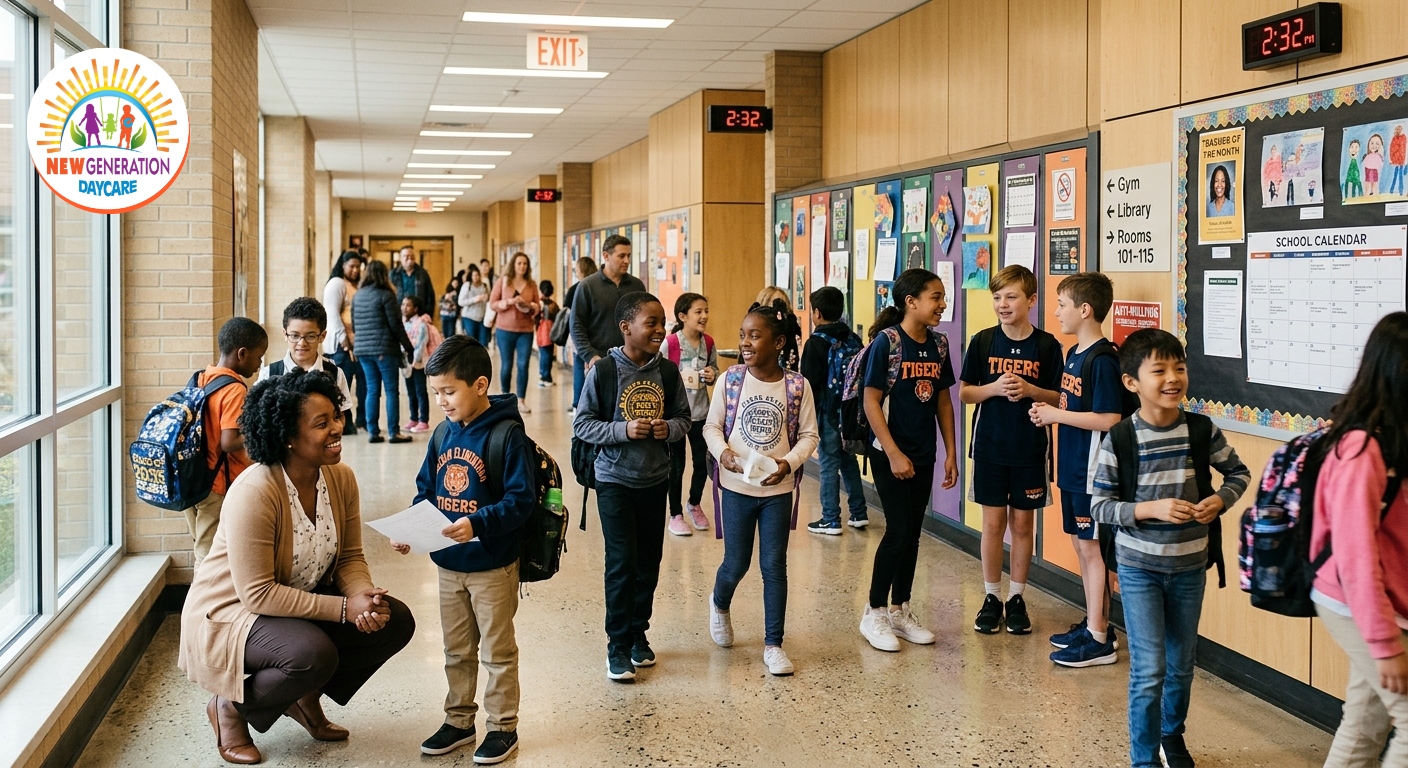
A preschool classroom is often the first place a child spends significant time away from home on a regular basis. Because of that, the relationship between parents and teachers plays a real role in how smoothly a child’s day-to-day experience goes. Good communication doesn’t need to be complicated or time-consuming. It just needs to be consistent, honest, and two-way.
For Staten Island parents navigating preschool for the first time, understanding what to communicate, how often, and through which channels can make the whole experience feel a lot less uncertain.
Why Parent-Teacher Communication Matters in Preschool
Preschool teachers spend hours each day observing your child in a group setting, something most parents don’t get to see firsthand. At the same time, parents know their child’s history, habits, and personality in ways a teacher is still learning. When both sides share what they know, it becomes much easier to support a child consistently between home and the classroom.
Regular communication can also help catch small issues early, whether that’s a change in mood, a new friendship, or a skill a child seems ready to work on next. None of this requires constant back-and-forth. It’s more about keeping a steady, open line of communication throughout the year.
What Parents Should Communicate to Teachers
There are a few areas worth sharing regularly, since they can directly affect how a child’s day goes.
Daily Routine
Let teachers know about anything unusual in your child’s morning, like a late bedtime, a skipped breakfast, or a rushed drop-off. Small details like this can explain behavior that might otherwise seem out of character.
Behavior and Social Interactions
If your child has mentioned a friend, a disagreement, or a specific classmate at home, sharing that with the teacher can help connect the dots between what’s happening at school and what your child is processing afterward.
Learning Progress
Teachers can offer helpful updates on how a child is doing with early academic or developmental skills, and parents can share what they’re noticing at home, like new vocabulary or emerging interests.
Eating and Sleeping Habits
Changes in appetite or sleep can affect a child’s mood and energy at school. If your child skipped a nap or had a rough night, a quick note to the teacher can provide helpful context.
Emotional Changes
If your child seems more clingy, anxious, or emotional than usual, letting the teacher know allows them to offer extra support during the day.
New Interests or Concerns
Whether it’s a new obsession with dinosaurs or a fear of loud noises, sharing new interests or concerns helps teachers plan activities and respond appropriately.
Important Changes at Home
Big life changes, such as a new sibling, a move, a family illness, or a change in caregivers, often affect how a child behaves at school. Teachers can better support your child if they know what’s going on, even in general terms.
Ways Parents Can Communicate With Preschool Teachers
Preschools typically offer a few different ways for parents and teachers to stay in touch.
- Daily conversations during drop-off or pickup, even brief ones, can be a simple way to share quick updates.
- Parent-teacher meetings, often scheduled once or twice a year, allow for a more in-depth conversation about a child’s overall progress and development.
- Phone calls may be used for longer conversations or when something can’t be easily discussed in passing.
- Emails or childcare communication apps are increasingly common ways for teachers to share daily updates, photos, or reminders, and for parents to ask quick questions.
- Progress updates, whether informal notes or more structured reports, can give parents a clearer picture of how their child is developing over time.
Every school handles these differently, so it’s worth checking with your child’s specific preschool program to understand which communication methods they use most often.
Practical Questions Parents Can Ask Teachers
If you’re not sure where to start, these questions can help open up a useful conversation:
- How is my child interacting with other classmates?
- What does a typical day look like for my child specifically?
- Are there any skills my child seems ready to work on next?
- How is my child handling transitions during the day?
- Is there anything I can reinforce at home to support what’s happening in the classroom?
- Has my child mentioned any friends, activities, or interests that stand out?
Asking specific, open-ended questions tends to lead to more useful answers than a general “How’s everything going?”
Sharing Concerns Respectfully and Constructively
If something is bothering you, whether it’s a behavior issue, a scheduling concern, or something your child said about their day, it helps to approach the conversation calmly and with curiosity rather than assumptions.
A few tips:
- Start with a specific example rather than a general complaint
- Ask the teacher what they’ve observed before drawing conclusions
- Frame the conversation as working together toward a solution
- Avoid raising sensitive concerns during a rushed drop-off or pickup moment
Most concerns are easier to resolve when both sides feel like they’re on the same team, rather than in opposition.
Maintaining Positive Communication Throughout the Year
Communication doesn’t need to be constant to be effective. A few habits can help keep things steady over the course of the school year:
- Check in briefly during regular drop-off or pickup, even just to say hello
- Read any newsletters, updates, or communication app notifications teachers send
- Respond to teacher messages in a reasonably timely way
- Share positive feedback, not just concerns, when something is going well
- Attend scheduled parent-teacher meetings when possible
Consistency, even in small doses, tends to build a stronger relationship than infrequent, lengthy conversations.
What to Do If You Have an Urgent or Private Concern
For anything sensitive or time-sensitive, it’s usually best to request a private conversation rather than discussing it during a busy drop-off or pickup window. A quick note, email, or phone call asking to schedule a short call or meeting is generally the most effective approach. This gives the teacher time to prepare and gives both of you space to talk without interruptions or an audience of other children and parents.
If a concern feels urgent, don’t hesitate to ask directly how the school prefers to handle time-sensitive issues, since policies can vary by center.
How Teachers and Parents Can Work Together
The most effective preschool experiences tend to happen when teachers and parents see themselves as partners rather than separate parties. Teachers bring insight into how a child functions in a group setting, while parents bring context about their child’s personality, history, and needs at home.
When both sides stay engaged, whether through casual updates, more organized parent resources, or scheduled meetings, it becomes easier to notice patterns, celebrate progress, and address challenges before they grow.
Final Thoughts
Strong communication between parents and preschool teachers doesn’t require anything elaborate. It’s built through small, consistent moments: a quick update at drop-off, an honest conversation about a concern, or a shared observation about how a child is growing. For Staten Island families, understanding these communication habits early can make the preschool year feel more collaborative and less like guesswork.
If you’re exploring preschool in Staten Island and want to learn more about how a program supports ongoing communication between parents and teachers, feel free to schedule a tour and ask directly about their approach.
Frequently Asked Questions
How often should I communicate with my child’s preschool teacher?
There’s no fixed requirement, but brief regular check-ins, along with more detailed updates during scheduled meetings, tend to work well for most families.
What should I do if I have a concern about my child’s teacher?
Start by scheduling a private, calm conversation to share your specific concern. Most issues can be worked through with open, respectful communication.
Is it okay to email a preschool teacher directly?
Many preschools do allow email or app-based communication, though it’s best to confirm your specific school’s preferred method and typical response time.
What if I don’t hear much from my child’s teacher?
It’s reasonable to ask directly how often updates are typically shared and through which channels, since communication styles vary by teacher and by school.
Can I request a private meeting with my child’s teacher outside of scheduled conferences?
In most cases, yes. Reaching out to request a short call or meeting is usually welcomed, especially for concerns that need more time or privacy than a quick conversation allows.
What to Pack for Preschool: A Complete Checklist for Staten Island Parents
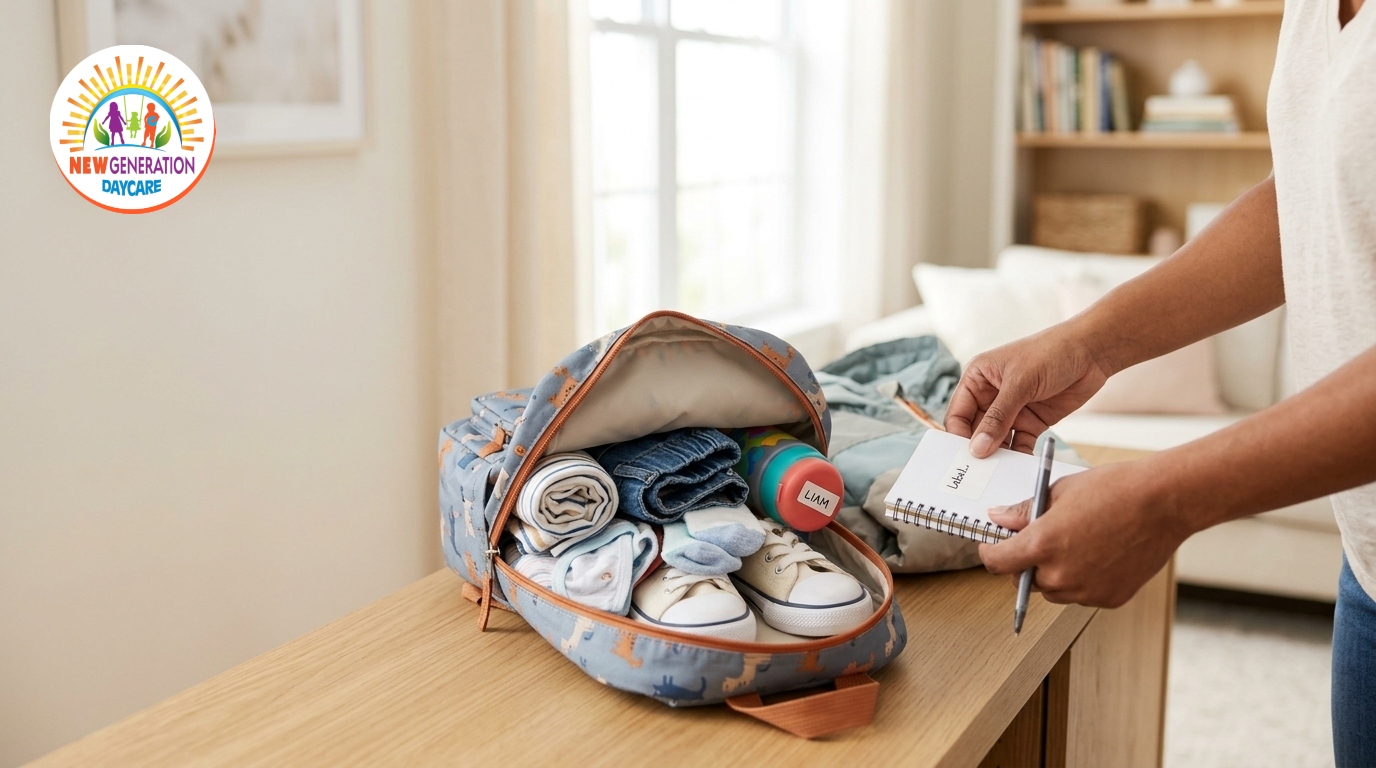
Packing for preschool is one of those tasks that sounds simple until you’re standing in front of an empty backpack wondering what your child actually needs. Every school has its own specific requirements, but there are some common essentials most preschoolers benefit from having on hand, whether it’s their first week of class or their fiftieth.
This checklist walks through what to pack for preschool, what’s usually optional, and a few seasonal considerations worth thinking about for families here in Staten Island.
Preschool Packing Checklist: The Essentials
Most preschools ask parents to send a similar core set of items, though the exact requirements will vary by program. Here’s a general starting point.
A Reliable Backpack
A backpack sized appropriately for a young child makes it easier for them to carry and manage their own belongings. Look for one that’s:
- Lightweight and easy for a small child to put on and take off
- Roomy enough for a change of clothes and a water bottle
- Simple to open and close independently, when possible
A backpack that’s too bulky or complicated can actually make mornings harder, so simplicity is usually the better choice at this age.
A Full Change of Clothes
Accidents, spills, and messy art projects are a normal part of preschool life. Most programs ask parents to keep a complete backup outfit at school, including:
- A shirt
- Pants or leggings
- Socks
- Underwear
It’s worth packing a full outfit rather than just a partial one, since even small spills can mean a top-to-bottom change is needed.
Extra Underwear and Socks
Beyond the full backup outfit, some preschools ask for an additional pair of underwear and socks, especially for children who are newly potty trained. This isn’t the case everywhere, so it’s worth checking with your specific program.
Comfortable, Practical Shoes
Preschoolers spend a lot of their day moving: running outside, climbing on play structures, and sitting on the floor for group activities. Comfortable, well-fitting shoes that are easy for a child to walk and play in matter more than style at this age. Sneakers or similar closed-toe shoes are usually a safe, practical choice, especially in classrooms with an active preschool program that includes daily physical activity.
A Labeled Water Bottle
A reusable, easy-to-open water bottle helps keep your child hydrated throughout the day. Choose one that’s simple enough for your child to manage on their own, and make sure it’s clearly labeled with their name.
Weather-Appropriate Clothing
Depending on the season, your child may need an extra layer packed in their bag or hung on a coat hook at school. This is covered in more detail in the seasonal section below.
Items That May Be Required Depending on the Preschool
Some items aren’t universal but come up often enough to be worth checking on:
- Nap or rest items; If the program includes a rest period, some schools ask for a small blanket, mat cover, or comfort item specifically for naptime.
- Bibs or smocks; Useful for messy art projects or snack time in some classrooms.
- Indoor shoes or slippers; A few programs ask children to change into indoor footwear once they arrive.
- Diapers or pull-ups and wipes; Relevant for children who aren’t yet fully potty trained.
Because policies differ so much from one preschool to another, it’s always worth checking your child’s specific preschool requirements directly with the school before the first day, rather than assuming what worked at one program applies everywhere.
Personal Comfort Items: When They’re Appropriate
Many young children feel more settled with a small piece of home nearby, especially during the early weeks of adjusting to a new classroom. Some preschools allow a single small comfort item, such as:
- A small stuffed animal
- A family photo
- A soft blanket for rest time
If your child’s school allows this, one small item is usually enough. Sending too many personal items can lead to mix-ups, distraction, or lost belongings, so it’s worth keeping this to a minimum and confirming the school’s specific policy first.
Labeling and Organizing Belongings
With a room full of preschoolers, it’s easy for backpacks, water bottles, and jackets to get mixed up. A little organization at home goes a long way.
A few practical tips:
- Label everything, including clothing, shoes, water bottles, and backpacks, with your child’s name using permanent marker, iron-on labels, or sticker labels.
- Pack a spare outfit in a labeled bag inside the backpack so it’s easy for a teacher to find quickly if needed.
- Choose distinct or colorful items when possible, since a plain black backpack or water bottle can easily be confused with another child’s.
- Do a weekly check of your child’s bag to restock anything that’s been used, like a spare outfit that hasn’t been replaced after an accident.
These small habits make mornings smoother and help teachers quickly identify what belongs to whom.
Seasonal Packing Considerations for Staten Island Families
Staten Island’s weather shifts noticeably across the year, so what your child needs in their bag will change with the seasons.
Winter
- A warm coat, hat, and gloves or mittens
- Waterproof or insulated boots for snow and slush
- An extra pair of socks, in case shoes or boots get wet
Rainy days
- A lightweight rain jacket or poncho
- Rain boots, if your child’s school allows outdoor play in wet weather
- An umbrella, if your school’s drop-off routine involves walking outside
Warm weather
- Lightweight, breathable clothing
- A sun hat, if outdoor play is part of the daily routine
- Sunscreen, if the school permits parents to send it (some require it to be provided in advance with written permission)
Layering is often the easiest approach during transitional seasons, when mornings can be cool but afternoons warm up.
What Not to Pack for Preschool
Just as important as knowing what to bring is knowing what to leave at home. In general, it’s best to avoid packing:
- Valuable or sentimental items that could be lost or damaged
- Toys from home, unless specifically permitted by the school
- Candy, gum, or snacks that haven’t been approved by the classroom’s food policy
- Electronics, including tablets or handheld games
- Items with small, detachable parts that could pose a choking hazard for younger classmates
Since policies vary by school, it’s always a good idea to ask directly about any restricted items before your child’s first day.
Final Thoughts
Packing for preschool doesn’t need to be complicated once you know the basics: a labeled backpack, a spare outfit, comfortable shoes, a water bottle, and a few seasonal extras cover most of what a young child needs during the school day. From there, it’s mostly about checking in with your specific preschool to confirm any additional requirements, like nap items or comfort objects.
If you’re exploring preschool options in Staten Island and have questions about what your child will need on their first day, scheduling a tour is a good way to see the classroom firsthand and get accurate, up-to-date guidance tailored to your child’s future school.
Frequently Asked Questions
Do all preschools require the same packing list?
No. While many preschools ask for similar basics, like a change of clothes and a water bottle, specific requirements vary by school. It’s best to confirm your child’s preschool’s exact list before their first day.
Should I send snacks with my child to preschool?
This depends on the school’s policy. Some preschools provide snacks, while others ask parents to send their own. Always check with your specific program before packing food.
How many extra outfits should I pack for preschool?
Most schools recommend at least one full backup outfit. Some may ask for an additional set of underwear or socks, particularly for children who are newly potty trained.
Can my child bring a stuffed animal or comfort item to preschool?
Many preschools allow one small comfort item, especially during the early weeks of adjustment, but policies vary. Check with your child’s school to see what’s permitted.
What should I do if my child’s clothes get lost at preschool?
Clearly labeling every item with your child’s name is the best way to prevent mix-ups. If something does go missing, checking in with your child’s teacher is usually the quickest way to track it down.
Kindergarten Readiness Checklist: 10 Skills Your Child Should Develop Before Kindergarten
Kindergarten is a big milestone, and it’s natural for parents to wonder whether their child is truly ready for it. Many families in Staten Island start asking this question during the preschool or pre-K year, often after hearing about “kindergarten readiness” from a teacher, a friend, or a school open house.
Here’s something worth knowing upfront: kindergarten readiness is about a lot more than knowing letters and numbers. It also includes how a child communicates, plays with others, manages emotions, follows routines, and handles simple daily tasks on their own. This checklist is meant to give you a realistic, supportive picture of the skills that tend to help children settle into kindergarten, not a pass-or-fail test.
What Does Kindergarten Readiness Mean?
Kindergarten readiness is really a mix of several areas of development working together. It generally includes:
- Academic foundations, like early letter and number awareness
- Social skills, such as sharing and cooperating with peers
- Emotional regulation, including coping with frustration
- Communication skills, like expressing needs and following directions
- Independence with everyday tasks
- Physical and motor development
- The ability to follow classroom routines and instructions
No child arrives at kindergarten with every single one of these skills fully developed, and that’s expected. Teachers plan for a wide range of abilities in any classroom. Readiness is best thought of as a general direction of growth, not a checklist that has to be fully checked off before day one.
Kindergarten Readiness Checklist: 10 Skills to Develop
- Recognizing Letters and Basic Sounds
At this stage, many children are becoming familiar with letters, especially the ones in their own name, and starting to understand that letters represent sounds. This early awareness lays some groundwork for reading, though most children are still in the early stages of this process.
To help at home, point out letters during everyday moments, like on signs or cereal boxes, and spend time sounding out your child’s name together. - Early Number and Counting Skills
Basic number sense includes counting objects, recognizing a few numbers, and understanding simple comparisons like “more” and “less.” Children don’t need to do complex math, but a general comfort with counting can help in a kindergarten classroom.
Everyday counting, like counting stairs, snacks, or toys during cleanup, is a simple way to build this skill naturally. - Listening and Following Instructions
Kindergarten classrooms rely heavily on children being able to listen to a teacher and follow simple, multi-step directions, like “put your folder away and sit on the carpet.” This skill takes practice and develops gradually.
At home, try giving two-step instructions during daily routines, such as “put your shoes on, then grab your backpack.” - Communication and Expressing Needs
Being able to speak clearly enough to communicate basic needs, ask questions, and answer simple questions helps children participate in classroom life and interact with teachers and classmates.
Everyday conversation, encouraging your child to describe their day, and asking open-ended questions all support this kind of communication growth. - Social Skills and Playing With Others
Sharing, taking turns, cooperating during group activities, and beginning to understand classroom expectations are all part of the social side of kindergarten readiness. These skills often develop through repeated practice with other children.
Playdates, group activities, and simple turn-taking games at home all give children a chance to practice. - Emotional Regulation
Kindergarten asks children to manage a full day of transitions, group activities, and new social situations. Part of readiness involves gradually learning to identify feelings, cope with frustration, and know when to ask an adult for help.
This doesn’t mean children shouldn’t cry or get upset — that’s a normal part of growing up. It simply means they’re slowly building the tools to handle big feelings with support.
Naming emotions together (“It looks like you’re feeling frustrated”) can help children build this awareness over time. - Independence and Self-Help Skills
Kindergarten classrooms expect a certain level of self-sufficiency with daily tasks, including:- Using the bathroom independently
- Washing hands
- Putting on and taking off simple clothing items
- Managing a backpack
- Cleaning up after activities
- Eating independently
- Practicing these tasks at home, even in small ways, can build confidence before the school year starts.
- Fine Motor Skills
Many classroom activities rely on fine motor coordination, including:- Holding crayons or pencils
- Drawing and coloring
- Cutting with child-safe scissors
- Using glue
- Manipulating small classroom materials, like puzzle pieces or blocks
- These skills tend to develop through regular hands-on play, drawing, and craft activities rather than formal practice.
- Attention and Classroom Participation
Kindergarten requires children to sit for group activities, listen during instruction, and transition between tasks throughout the day. This ability builds gradually, and it’s worth keeping expectations realistic — most five-year-olds are still developing longer attention spans, not mastering them.
Reading together, playing simple games with rules, and practicing short focused activities at home can all help build this skill over time. - Gross Motor Skills and Physical Confidence
Basic movement skills, like running, jumping, balancing, and climbing, support recess, physical education, and general classroom mobility. Comfort with movement also tends to support overall confidence in a new environment.
Outdoor play, active games, and simple movement activities all contribute to this kind of physical development.
How Parents Can Prepare Their Child for Kindergarten
Beyond the specific skills above, there are simple, everyday habits that support kindergarten readiness as a whole:
- Read together daily, even for just a few minutes
- Practice counting during everyday activities, like grocery shopping
- Let your child help with simple household tasks
- Practice getting dressed independently
- Play turn-taking games as a family
- Encourage your child to explain how they’re feeling
- Practice opening lunch containers, backpacks, and zippers
- Create simple, predictable routines at home
- Visit a school or classroom environment ahead of time if possible
None of these need to feel like formal lessons. Most of this readiness-building happens naturally through everyday family life.
What If My Child Isn’t Ready for Every Skill?
If you read through this checklist and notice a few areas where your child could use more practice, that’s completely normal. Children develop at different rates, and being less confident in one area doesn’t mean a child isn’t ready for kindergarten overall.
A few helpful next steps:
- Talk with your child’s current preschool or pre-K teacher about their observations
- Identify one or two specific areas to focus on through everyday play
- Build skills gradually rather than trying to “fix” everything at once
- Avoid comparing your child’s progress to other children’s
- Give your child time, patience, and encouragement along the way
Readiness tends to come together over time, often with support from both home and school.
How Preschool and Pre-K Can Support Kindergarten Readiness
A quality early-learning environment can support many of the skills covered above at once. A good preschool program in Staten Island typically builds early academic awareness alongside social skills, communication, and independence through daily classroom routines and guided play.
As children move into pre-K programs in Staten Island, the focus often shifts toward more structured preparation for kindergarten, including early literacy, number sense, and classroom participation. This kind of progression, supported by a thoughtful early childhood curriculum, gives children repeated, age-appropriate practice with the exact areas that tend to matter most once kindergarten begins.
If you’re considering an early-learning program for your child, visiting in person and asking about daily routines is a good way to see how a classroom supports these skills firsthand — many families find it helpful to schedule a tour before making a decision.
Final Thoughts
Kindergarten readiness isn’t about passing a test or checking every box on a list. It’s about a child building a balanced set of skills over time, including academics, social connection, emotional awareness, independence, and physical confidence. Progress, curiosity, and a willingness to try are often just as meaningful as any single skill.
If you’d like to learn more about how early-learning programs can support your child’s growth before kindergarten, feel free to explore New Generation Learning Center and our early-learning programs in Staten Island.
Frequently Asked Questions
What should a child know before starting kindergarten?
Children benefit from a mix of skills, including early letter and number awareness, communication, social skills, independence with daily tasks, and the ability to follow simple routines. No single skill determines readiness on its own.
How can I tell if my child is ready for kindergarten?
Look at overall progress across academic, social, emotional, and independence skills rather than one specific ability. Talking with your child’s current teacher can also offer helpful, personalized insight.
What social skills are important for kindergarten?
Sharing, taking turns, cooperating during group activities, and beginning to understand classroom routines are all valuable social skills that support a smoother kindergarten transition.
How can I prepare my child for kindergarten at home?
Simple daily habits help, such as reading together, practicing counting, encouraging independence with dressing and cleanup, and playing turn-taking games as a family.
Does my child need to know how to read before kindergarten?
No. Most kindergartens expect early literacy awareness, like recognizing some letters and sounds, rather than full reading ability. Reading skills typically develop further during the kindergarten year itself.
How Preschool Helps Children Build Social Skills and Friendships
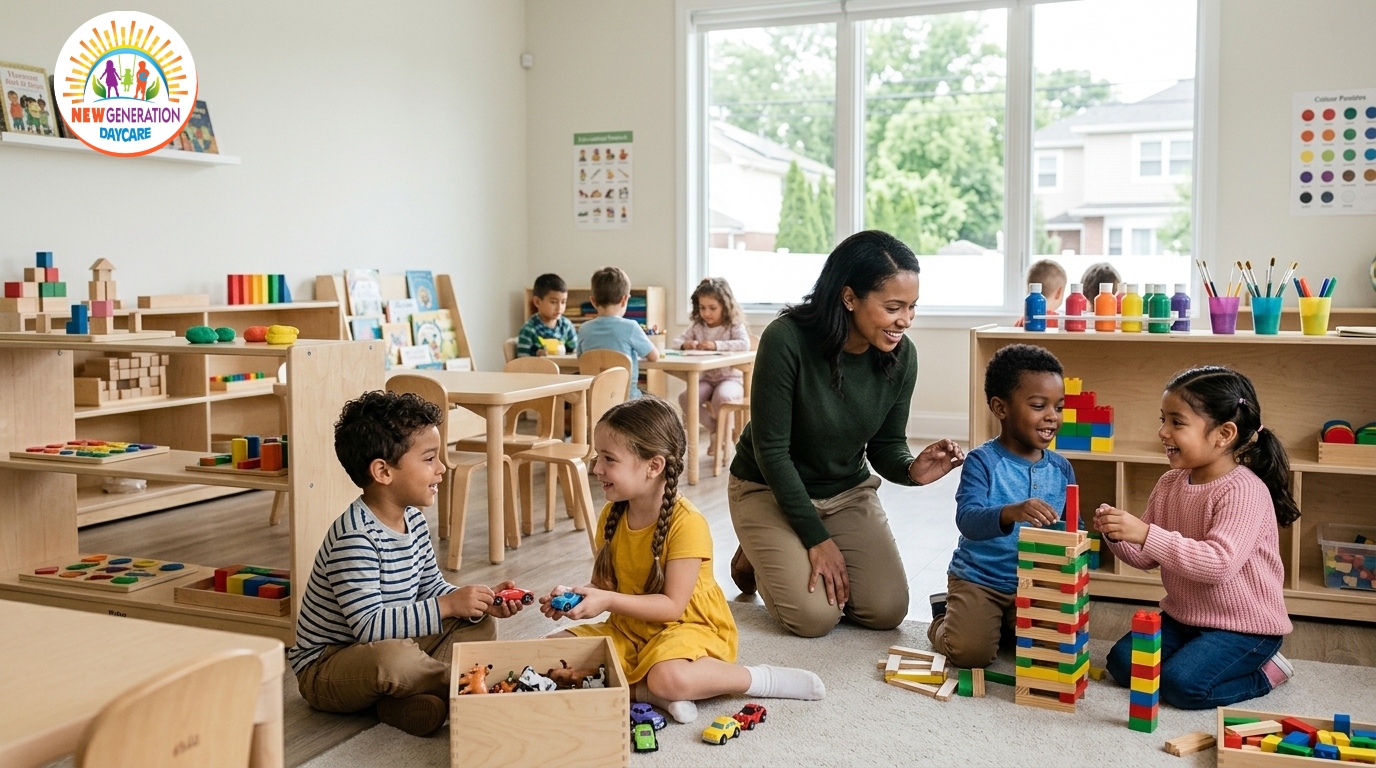
The preschool years are often when children start spending real time away from home, interacting with other kids their own age on a regular basis. For many families, this is the first time a child has to share space, take turns, and work out small disagreements without a parent stepping in immediately. It’s a big shift, and it’s also one of the most valuable parts of early childhood education.
For parents in Staten Island exploring preschool options, social development is often just as important as academics. A good preschool environment gives children consistent, low-pressure opportunities to communicate, cooperate, and start building friendships, all while learning at their own pace.
Why Social Skills Matter During the Preschool Years
Preschool-age children are still learning the basics of getting along with others. Skills like communicating clearly, listening, sharing, and taking turns don’t come naturally right away. They develop gradually, through repeated practice and guidance.
Some of the social skills children typically work on during this stage include:
- Communicating wants and needs
- Listening to others
- Sharing materials and toys
- Taking turns during games or activities
- Cooperating with classmates
- Following group routines
- Expressing feelings in appropriate ways
- Asking an adult for help when needed
- Building early relationships with peers
It’s worth remembering that children reach these milestones at different rates. A preschool classroom simply gives them regular chances to practice.
How Preschool Helps Children Make Friends
Spending time in a classroom with the same group of peers day after day naturally creates opportunities for friendship. Preschool gives children a chance to meet other kids, start simple conversations, and take part in shared play on a consistent basis.
Over time, children often discover common interests with classmates, whether that’s a favorite game, a shared love of building blocks, or an interest in the same story. Repeated interaction also builds familiarity and trust, which are the early building blocks of friendship.
That said, not every child forms friendships at the same pace, and preschool can’t guarantee specific social outcomes. What it can offer is a steady, supportive setting where those relationships have room to grow.
Social Skills Children Can Practice in Preschool
Sharing and Taking Turns
Classroom activities and group play regularly call for waiting, sharing materials, and taking turns, whether it’s during a game or while using a popular toy. These small, repeated moments help children get more comfortable with patience and fairness.
Communication
Preschool gives children daily chances to practice listening, speaking up, asking questions, and expressing their needs in words rather than frustration.
Cooperation
Group projects, games, and collaborative play all require children to work with others toward a shared goal, which helps build early teamwork skills.
Managing Feelings
Preschoolers are also learning to recognize their own emotions and express them appropriately, and to seek out an adult when they need support working through a big feeling.
Conflict Resolution
Disagreements are a normal part of group play. With a teacher’s guidance, children can begin learning simple, age-appropriate ways to work through conflicts, like taking turns talking or finding a compromise.
Preschool Activities That Encourage Social Development
Many everyday preschool activities create natural opportunities for social interaction, including:
- Group story time
- Circle time
- Cooperative games
- Pretend and imaginative play
- Art projects
- Building activities
- Music and movement
- Outdoor play
- Small-group activities
These activities work well for social development because they require communication and cooperation as a natural part of the task, not as a separate lesson.
The Role of Teachers in Building Social Skills
Preschool teachers play a big part in how comfortable children feel navigating social situations. A supportive teacher can help by:
- Modeling respectful, clear communication
- Guiding children through group activities
- Helping children understand classroom expectations
- Supporting children through disagreements
- Encouraging cooperation between classmates
- Making sure every child has a chance to participate
This kind of steady guidance helps children build confidence in social settings over time.
What Staten Island Parents Should Look for in a Preschool
When comparing preschool options in Staten Island, it helps to look specifically at how a program supports social development, not just academics. Consider:
- A safe, nurturing classroom environment
- Regular opportunities for peer interaction
- Age-appropriate activities and games
- Teachers who actively support children through group activities
- A healthy balance between structured learning and free play
- Clear, consistent classroom routines
- Open communication between teachers and parents
- A mix of group and individual activities
A preschool program in Staten Island that pays attention to these details tends to give children a more well-rounded early experience.
Supporting Social Skills at Home
Preschool isn’t the only place children build social skills. Parents can reinforce this growth at home with simple, everyday habits:
- Arrange age-appropriate playdates or group activities
- Practice taking turns during games at home
- Read stories about friendship and emotions together
- Encourage your child to name and express their feelings
- Model respectful, calm communication
- Notice and praise positive social behavior when you see it
Small, consistent efforts at home can complement what children are already practicing in the classroom.
Building Social Skills at New Generation Learning Center
At New Generation Learning Center, our preschool program includes activities that naturally support social and emotional growth alongside early academics. Children take part in imaginative play using props to explore dramatic arts, which gives them regular chances to interact and build ideas together with classmates.
The program also promotes social and emotional growth through activities that develop critical thinking, helping children practice working through situations as part of a group. This is guided by certified Early Childhood Education teachers as part of our broader curriculum.
If you’d like to see how our preschool classroom supports social interaction firsthand, you’re welcome to schedule a tour of our Staten Island location.
Frequently Asked Questions
How does preschool help children develop social skills?
Preschool gives children regular, structured opportunities to interact with peers through group activities, play, and daily routines, which helps them practice communication, sharing, and cooperation.
How do preschoolers learn to make friends?
Consistent interaction with the same group of classmates over time helps children discover shared interests, build familiarity, and practice social skills that support early friendships.
What social skills should a preschooler develop?
Common social skills include communicating needs, listening, sharing, taking turns, cooperating with others, and beginning to manage emotions and simple conflicts. Children develop these at their own pace.
What preschool activities help children build friendships?
Activities like group story time, circle time, cooperative games, pretend play, and small-group projects all create natural opportunities for children to interact and connect with peers.
How can parents support social skills at home?
Parents can reinforce classroom learning by arranging playdates, practicing turn-taking, reading books about friendship and emotions, and modeling respectful communication at home.
Preschool Daily Schedule: What Does a Typical Day Look Like for Children?
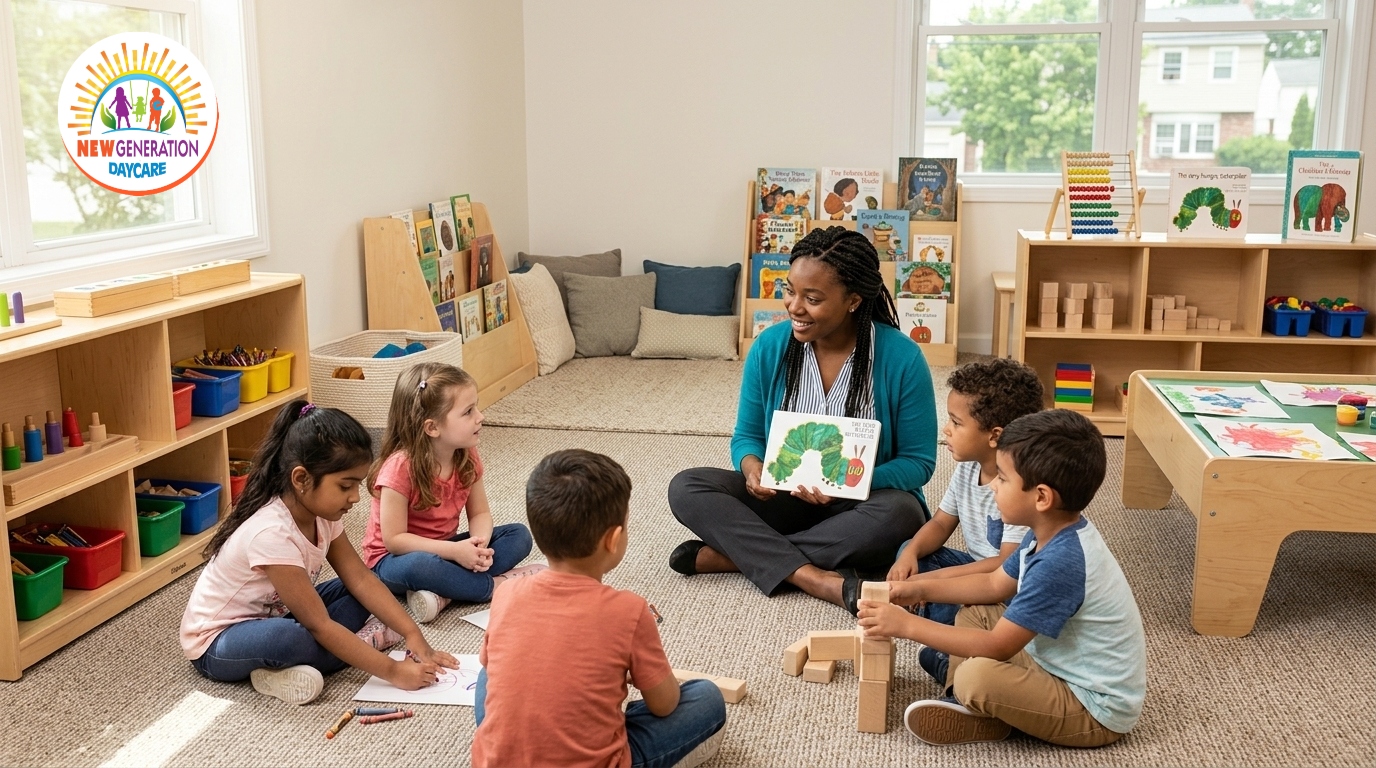
If you’re a parent researching preschool options, you’ve probably wondered what your child’s day actually looks like once you drop them off. It’s a fair question. A preschool day is built around more than just supervision; it usually follows a rhythm designed to help children feel settled, engaged, and ready to participate.
Understanding a typical preschool daily schedule can also help you compare programs and figure out what matters most for your child’s age and personality.
What Does a Typical Preschool Day Look Like?
Most preschool programs follow a general daily routine that balances structured learning, free play, movement, and rest. While the exact order and timing differ from school to school, a typical preschool day usually includes:
- A welcoming arrival period
- Group or circle time
- Hands-on learning activities
- Snack or mealtime
- Outdoor or active play
- Creative activities like art or music
- Story or reading time
- A calm wind-down before pickup
The specific mix depends on the school, the age group, and even the day itself.
Sample Preschool Daily Schedule
To give you a general sense of what a preschool day might include, here’s a sample daily routine. This is an illustrative example only; actual schedules vary by program, classroom, and children’s individual needs.
Arrival and Greeting
Children arrive and are welcomed into the classroom, often with a simple morning routine like hanging up belongings or choosing a quiet activity.
Morning Circle Time
The class gathers as a group for songs, a calendar routine, or a discussion about the day ahead. This is often when early literacy and communication skills get practiced.
Learning Activities
Teachers guide small or large groups through hands-on activities focused on early math, language, or problem-solving.
Snack Time
A short break for a snack, which also gives children a chance to socialize in a more relaxed setting.
Outdoor or Active Play
Time outside or in a gym space supports physical activity and gross motor development.
Creative Activities
Art, music, or imaginative play activities give children room for creative expression.
Story or Reading Time
A quieter part of the day focused on listening skills and early literacy.
Rest or Quiet Time
Depending on the age group, this may include a nap or a calmer, low-stimulation activity.
End-of-Day Routine
A wind-down period before pickup, often including cleanup and a closing group activity.
Again, this is a general example; every preschool structures its day a little differently based on its own approach and the needs of its students.
What Do Children Learn During the Day?
Even in a single day, preschool activities tend to touch on several areas of development at once:
- Language and literacy, through conversation, story time, and vocabulary-building activities
- Early math concepts, through counting, sorting, and hands-on activities
- Social skills, through group activities, sharing, and cooperative play
- Communication, through group discussions and everyday interactions with peers and teachers
- Creativity, through art, music, and imaginative play
- Fine and gross motor skills, through activities like drawing, building with blocks, and outdoor play
- Independence, through daily routines like cleaning up or making simple choices
These areas naturally build on each other throughout the day rather than being taught in isolation.
Why Is a Preschool Routine Important?
A predictable routine gives young children something to rely on. When kids know roughly what to expect next, they tend to transition between activities more smoothly and feel more comfortable participating.
Routines also give children repeated opportunities to practice independence, like following classroom steps without constant reminders, and to build confidence in a familiar structure. Over time, this consistency can make the classroom feel like a safe, understandable place rather than an unpredictable one.
What Should Parents Look for in a Preschool Schedule?
When comparing preschool programs, it helps to look at how a school structures its day. A few things worth considering:
- Age-appropriate activities suited to your child’s developmental stage
- A reasonable balance between structured learning and free play
- Built-in time for movement and physical activity
- Regular opportunities for social interaction
- Flexible, well-managed transitions between activities
- Appropriate meal, snack, or rest periods for the age group
- An overall environment that feels safe and nurturing
Asking a school directly about its daily schedule is one of the best ways to understand whether the pacing and structure will suit your child.
Preschool at New Generation Learning Center in Staten Island
At New Generation Learning Center, our preschool program incorporates many of the developmental areas parents look for in a preschool day. Children work on early numeracy skills like counting to 10 and identifying objects, take part in imaginative play and dramatic arts, and build both gross and fine motor skills through structured activities and early writing practice.
Certified Early Childhood Education teachers guide the program and is part of our broader curriculum, which continues to build on these skills as children progress toward our Pre-K program.
If you’d like to see how a day unfolds in our classroom, you’re welcome to schedule a tour and get a firsthand look at our preschool program in Staten Island.
Frequently Asked Questions
What does a typical preschool day look like?
A typical preschool day generally includes arrival time, group activities, hands-on learning, outdoor play, creative activities, and a rest or quiet period, though the exact schedule varies by program.
How long is a preschool day?
Preschool day length varies significantly by program, ranging from a few hours to a full day. It’s best to check directly with a specific school about its hours.
What activities do children do in preschool?
Common preschool activities include circle time, early math and literacy exercises, art and creative play, outdoor time, and group social activities.
Why is a daily routine important for preschoolers?
A predictable routine helps children understand what to expect, transition more easily between activities, and build independence and confidence in the classroom.
How should parents choose a preschool program?
Consider the school’s daily structure, teacher qualifications, classroom environment, and how well the schedule and activities suit your child’s age and needs. Visiting the school and asking about a typical day can help you evaluate fit.
