


What a Licensed Daycare in Staten Island Actually Means
Every childcare website in New York says licensed somewhere on it. It appears in the footer, on the about page, in the first paragraph of the homepage, and almost nowhere does anybody explain what the word actually covers. Which is a shame, because it is the one claim a parent can verify independently in about ninety seconds, without taking anyone’s word for anything.
This guide explains who licenses daycare in New York City, how to look up any center yourself including ours, and the more useful question of what licensing does and does not tell you. New Generation Learning Center holds a valid license issued by the NYC Department of Health and Mental Hygiene, Bureau of Child Care, and we would rather you check that than believe it.
Who Licenses Daycare in New York City
In most of New York State, child care programs are overseen by the Office of Children and Family Services. New York City is the exception. Group child care programs operating inside the five boroughs, which includes Staten Island, are licensed and inspected by the New York City Department of Health and Mental Hygiene, through its Bureau of Child Care.
That distinction matters when you are searching online, because a lot of general advice about checking a daycare license points parents at the statewide system, which will not list a Staten Island center. If you look us up in the wrong database and find nothing, the conclusion to draw is that you are in the wrong database.
How to Check Any Center Yourself
The Health Department runs a public tool called NYC Child Care Connect. It is free, it requires no account, and it is the single most useful thing a parent can use while shortlisting centers.
It lets you:
- Look up licensed child care programs in a given neighborhood, so you can see what actually exists near you rather than only what advertises well
- Search inspection records for a specific program
- Compare child care centers across the city against each other
- Sign up for text or email notices about a particular location, which is worth doing for the center you choose even after your child has started
That last one is the feature almost nobody uses and probably should. A license is not a permanent state. Signing up for notices means you hear about changes at your child’s center from the Health Department rather than from the parents’ group chat.
What to Do With What You Find
Inspection records take a little interpreting, and the instinct to treat any finding as disqualifying is usually the wrong one.
Centers are inspected regularly, and regular inspection of a busy building full of small children tends to surface something. What matters more than whether a center has ever had a finding is the pattern: how serious the findings were, whether they relate to health and safety or to paperwork, whether the same issue appears repeatedly across years, and how quickly things were corrected.
A center with a handful of minor administrative findings corrected promptly is in a very different position from one with repeated findings in the same area. And a center that is happy to discuss its record with you when you ask is telling you something that no document can.
Licensing Is the Floor, Not the Ceiling
Here is the part worth being honest about. A license means a center has met the city’s requirements to operate. It is a minimum standard, not a measure of quality, and two licensed centers on the same street can offer completely different experiences to a child.
So verify the license first, because a center without one should end the conversation immediately. Then stop treating it as the answer and start asking about everything licensing does not measure: who actually teaches in the room, how long staff stay, what the day is structured around, and how the center communicates when something goes wrong.
What We Do Beyond the License
Our own answers to those questions are on the site rather than held back for a sales conversation. Our programs run from age 2 through 5, across toddlers, preschool and Pre-K, and our preschool year is guided by certified Early Childhood Education teachers. We also run a summer camp for ages 5 to 13.
|
What parents ask about |
What we do |
|
Hours |
Monday to Friday, 6:30 AM to 6:30 PM |
|
Ages |
2 to 5 years old, plus summer camp for ages 5 to 13 |
|
Discipline |
Positive discipline, built on redirection and positive reinforcement |
|
Daily communication |
Photos and daily reports shared through Procare |
|
Outdoor space |
A renovated, fenced-in playground that includes a garden |
|
Conferences |
A back-to-school night annually, plus conferences on request at any point |
|
Closures |
Major holidays only, with the exact dates sent to families each August |
|
Billing |
Monthly, due by the 5th, paid by cash, credit card or check |
More on how we approach the whole thing is on our why New Generation page, and the FAQ answers the practical questions in more detail.
The Access Policy, and Why It Exists
This one deserves explaining properly because it surprises people. Parents are generally not permitted inside beyond scheduled office visits. Read cold, that can sound like a center with something to hide, and the opposite is true.
Controlled access only means something if it applies to everyone. A building where any adult can walk through the classrooms because they are somebody’s parent is a building with no access control at all, and the children it fails to protect are everybody’s. The policy is there for the same reason you would want it applied to the other twenty families. Our safety and security page covers how the building works in practice.
What to Verify on a Tour
Come with the license already checked, so you can spend the visit on the things the record cannot tell you. The questions worth asking, at any center:
- How long have the teachers in my child’s room been here? Staff consistency matters more to a young child than almost anything on a brochure.
- Can I see the license, and are you happy to talk through your inspection history?
- What does the day actually look like, hour by hour?
- How will I hear about my child’s day, and how quickly would I hear if something went wrong?
- Who is permitted to collect my child, and how is that verified at pickup?
- What happens when a child is having a difficult week?
On the second one, our answer is yes to both. Ask to see the license when you visit. A center that hesitates on that question has answered a different, more useful question.
Visiting Us in Staten Island
We are at 389 Seaver Avenue, Staten Island, NY 10305, and you can reach us on (718) 987-7596. Tours run at 6:00 PM on weekdays and we are happy to accommodate weekends, so you can schedule a tour around a working day rather than taking time off for it.
Enrollment forms and other paperwork are on our parent resources page, our extra activities bring dance and soccer into the building, and our services overview covers what we offer across every age group. Look us up on Child Care Connect first, then come and see the rooms.
Frequently Asked Questions
Who licenses daycare centers in Staten Island?
Group child care programs in New York City, including Staten Island, are licensed and inspected by the New York City Department of Health and Mental Hygiene through its Bureau of Child Care. This differs from the rest of New York State, where the Office of Children and Family Services has that role, which is why statewide lookup tools will not show a Staten Island center.
How do I check if a daycare is licensed in NYC?
Use NYC Child Care Connect, the Health Department’s free public tool. You can look up licensed programs in a neighborhood, search inspection records for a specific center, compare centers across the city, and sign up for text or email notices about a particular location. No account is needed.
Is New Generation Learning Center licensed?
Yes. New Generation holds a valid license issued by the NYC Department of Health and Mental Hygiene, Bureau of Child Care. You are welcome to look us up on NYC Child Care Connect before you visit, and to ask to see the license when you do.
Should a past inspection finding rule a center out?
Not automatically. Centers are inspected regularly and most records contain something. What matters is the pattern: how serious the findings were, whether they concern health and safety or administration, whether the same issue repeats across years, and how quickly it was corrected. A center willing to discuss its record with you is giving you information no document can.
Does a license mean a daycare is good?
No. A license means a center meets the city’s requirements to operate, which is a minimum standard rather than a measure of quality. Verify it first, because a center without one should end the conversation. Then ask about the things licensing does not measure, such as staff consistency, the structure of the day, and how the center communicates with families.
Why are parents not allowed inside the classrooms?
Parents are generally not permitted inside beyond scheduled office visits, because controlled access only protects children if it applies to every adult. A building where any parent can move freely through the classrooms has no meaningful access control, and the policy exists for the same reason you would want it applied to every other family.
Daycare Sick Policy at New Generation Learning Center
It is 6:40 in the morning. Your child is a bit warm, slightly off, and has eaten about half their breakfast. You have a meeting you cannot move. Every parent has stood in that kitchen trying to work out whether this is a real illness or just a slow start, and nobody makes that call well under pressure.
We would rather you knew how we approach this before you are standing there. This page explains the thinking behind our health and illness policy, what licensed centers in New York generally look for, and how we work with families through a winter. We share our complete written policy with every family at enrollment, and we are glad to walk you through it on a tour before you commit to anything.
One note before we start. This page explains our general approach. It is not medical advice, and it does not replace your pediatrician. Anything concerning about your child’s health is a question for a doctor, and we will always say so.
Quick Reference
These are the thresholds licensed childcare centers in New York commonly work to. They are a guide to what to expect rather than a substitute for the written policy we give you at enrollment.
|
Symptom |
Usually |
Typical Return |
|
Fever of 100.4°F or higher |
Stay home |
24 hours fever-free without medication |
|
Vomiting, two or more episodes |
Stay home |
24 hours with no vomiting |
|
Diarrhea, frequent or not contained |
Stay home |
24 hours with normal stools |
|
Runny nose, no fever, child is well |
Usually fine to attend |
Not applicable |
|
Persistent cough disrupting activity |
Often stay home |
When settled and able to take part |
|
Unexplained or spreading rash |
Stay home |
After a doctor confirms it is not contagious |
|
Pink eye with discharge |
Stay home |
Commonly 24 hours after treatment begins |
|
Too unwell to join in |
Stay home |
When able to participate comfortably |
If you take one line from this page, make it the last row. Beyond any specific threshold, the question that settles most borderline mornings is whether your child can take part in a normal day with us. A child who cannot join activities, needs constant one-to-one comfort, or is too uncomfortable to settle is not going to have a good day here, whatever the thermometer says.
Fever, and the Rule Most Parents Miss
Fever is the clearest line and the one handled most strictly, because it is the most reliable signal that a body is fighting something. The common threshold is 100.4 degrees Fahrenheit, or 38 degrees Celsius.
The part that catches families out is the return rule, so it is worth being direct about it. A child generally needs to be fever-free for a full 24 hours without fever-reducing medication. Giving a dose at 7am and dropping off at 8am does not meet that. The medication suppresses the fever rather than resolving the illness, it wears off around mid-morning, and we then have to call you. Your child has had a worse day than they needed to, you have left work anyway, and other children have been exposed in the meantime. The 24 hour clock starts from the last time the temperature was normal on its own.
We say this plainly because it is not an attempt to be difficult. It is the one rule where working around it reliably produces a worse outcome for everyone, including the child.
Vomiting and Diarrhea
These are handled strictly almost everywhere, and for good reason. Stomach bugs move through a group of young children faster than almost anything else, and the common causes are highly contagious.
The usual standard is two or more episodes of vomiting within 24 hours meaning a day at home, with a return once there has been a full 24 hours without any. Diarrhea is generally judged on frequency and whether it can be contained, and a child in diapers with frequent loose stools will usually be asked to stay home even if they otherwise seem well.
One honest complication: not all vomiting is illness. A child can be sick from coughing hard, from crying, or from something that simply did not agree with them. If your child vomits once and seems entirely well afterwards with no other symptoms, tell us at drop-off rather than leaving it. We would far rather know and keep an eye out than be surprised at eleven o’clock.
Why We Do Not Exclude for a Runny Nose
This is the area where parents and centers most often disagree, so we want to be clear about where we stand.
A runny nose on its own is not a reason to keep a child home. Young children in group care get a great many colds, particularly in their first year with us, and a center that excluded every child with a runny nose would be empty from October to March. Colored mucus is not in itself a reason either, despite how often that comes up.
What changes the answer is the whole picture. A cough severe enough to interrupt activities or sleep, any difficulty breathing, a cold with a fever alongside it, or a child who is simply miserable all point toward a day at home. Difficulty breathing in particular is not a wait-and-see symptom, and it is a call to your pediatrician rather than a decision about attendance.
It is also worth saying that the frequency settles. The first winter in group care is genuinely the hardest, and families are often surprised by how often a child is unwell during it. By the second year the pattern is noticeably easier, which is a direct result of the immune exposure the first year provided. If your child is new to us, our guide on helping a child adjust to a new program covers the wider first-term picture, of which illness is one part.
Rashes and Common Childhood Illnesses
Any rash that appears without an obvious explanation should be looked at before a child attends, because several contagious illnesses show up first as a rash.
A few that come up regularly in early childhood settings, with the general pattern for each. Hand, foot and mouth disease is extremely common in young children and moves through a group quickly, and centers typically consider whether the child is fever-free, whether open sores can be kept covered, and whether a drooling child can be managed hygienically. Chickenpox generally means staying home until all lesions have crusted over. Strep throat usually requires 24 hours on antibiotics first. Conjunctivitis, commonly called pink eye, is typically 24 hours after treatment begins where there is discharge.
Your pediatrician’s guidance and our written policy both take precedence over any general pattern. What matters most practically is simply telling us the diagnosis. We often need to notify other families of an exposure, and we cannot do that if we do not know.
How We Communicate With You
A sick policy is only as good as the communication around it, and this is something we take seriously.
We share pictures and daily reports of your child’s activities through Procare, our communication platform, so you are not relying on a three-year-old’s summary of their own day. If your child seems off, you will usually hear about it from us before it becomes a collection call. If we do need you to collect, we will tell you what we are seeing rather than simply citing a rule.
It works in both directions, and the more you tell us the better we can look after your child. If they were up in the night, say so at drop-off. If a sibling has a stomach bug, mention it. If a doctor has diagnosed something, let us know what it is. None of this results in your child being excluded unnecessarily. It helps us watch for the right things. Our article on parent-teacher communication goes further into how we work with families generally, and you can arrange a conference with your child’s teacher at any point in the year.
Why We Hold the Line on This
We know the rules can feel inflexible when you are the parent rearranging a working day, so here is the reasoning.
A classroom of young children is an efficient transmission environment. They touch everything, they touch each other, and hand hygiene at that age is a work in progress no matter how carefully we manage it. One child attending while contagious can produce a wave affecting a dozen families over the following fortnight, including families with newborn siblings, elderly relatives at home, or someone undergoing medical treatment.
There is a staffing dimension too. A child who is unwell needs considerably more individual attention, which pulls a teacher away from the rest of the room. And a center relaxed about exclusion ends up with sick staff, which is how a center ends up short-handed in the middle of winter. The policy protects your child on the days they are the one at home, as well as the days they are here. Our safety and security page covers our broader approach, and we hold a valid license issued by the NYC Department of Health and Mental Hygiene, Bureau of Child Care.
Planning for Sick Days Before You Need To
Every family using childcare faces this repeatedly, and the ones who cope best worked it out in advance rather than at 6:40 in the morning.
- Give us two backup people who can collect your child at short notice, and keep those details current
- Know your own employer’s policy on sick dependents before you need to use it
- If two parents are working, agree in advance how you will split sick days rather than negotiating in the moment
- Keep a working thermometer somewhere accessible rather than buried in a cupboard
- Keep a full change of clothes here at all times, since illness is rarely tidy
- Read our written health policy at enrollment rather than discovering it mid-illness
- Build the expectation of several sick days into your first winter, particularly for a child new to group care
On the spare clothes, our preschool packing checklist covers what should be in a bag year-round, and it matters more in winter than at any other time. On billing during absences, our FAQ page sets out how tuition works, including that it is billed monthly with payment due by the 5th.
Get Our Full Written Policy
Everything above is the thinking. The document is the detail, and we would rather you read it before you enroll than during your first bad week.
Ask us for our health and illness policy on a tour and we will go through it with you properly, including exactly when a child can return, what we need from a doctor, and how we handle an illness that moves through a classroom. We run tours at 6:00 PM on weekdays or by arrangement at weekends, which keeps it off your working day. You can also see our programs and parent resources while you are here.
Frequently Asked Questions
What temperature is too high to send a child to daycare?
The common threshold is 100.4 degrees Fahrenheit, or 38 degrees Celsius. At or above that, a child should stay home, and we will call you to collect if it develops during the day. A child generally needs to be fever-free for a full 24 hours without fever-reducing medication before returning, since medication suppresses the fever rather than resolving the illness. We give every family our complete written policy at enrollment and will go through it on a tour.
Can my child come in with a runny nose?
Usually yes, if there is no fever and your child is otherwise well. Young children in group care get a great many colds, especially in their first year, and we do not exclude for a runny nose alone. Colored mucus is not in itself a reason either. What changes the answer is a cough severe enough to disrupt activities or sleep, any difficulty breathing, a fever alongside the cold, or a child who is clearly miserable.
How long should a child stay home after vomiting?
The usual standard is that two or more episodes within 24 hours means staying home, with a return after a full 24 hours with none. Stomach bugs spread through a group of young children very quickly, which is why this is handled strictly. If your child vomits once and seems entirely well afterwards with no other symptoms, tell us at drop-off rather than leaving us to discover it later.
What happens if my child becomes unwell during the day?
We will contact you, explain what we are seeing rather than simply citing a rule, and keep your child comfortable and apart from the group until you or a listed backup arrives. This is why we ask every family for at least two emergency contacts who can collect at short notice, and why keeping those details current matters. We also share daily updates through Procare, so you often have a sense of how the day is going before any call.
Do I still pay when my child is home sick?
At most centers, yes, because tuition reserves a space rather than paying for days attended, and staffing and other costs continue regardless. Our tuition is billed monthly with payment due by the 5th of each month, and we accept cash, credit cards and checks. Ask us about absences specifically on a tour so there are no surprises on a first invoice.
Talk to Us Before You Enroll
We would rather answer these questions before you join than during your first difficult week. New Generation Learning Center is a licensed childcare center at 389 Seaver Avenue in Staten Island, serving children ages 2 to 5 with before and after school care and a summer camp for ages 5 to 13, open Monday through Friday from 6:30 AM to 6:30 PM. Call (718) 987-7596 or book a tour and ask for our health and illness policy. For any question about your own child’s health, your pediatrician is always the right first call.
Nanny vs. Daycare in Staten Island: How to Choose
Most comparisons of nannies and daycare centers are written for nowhere in particular. They weigh one-to-one attention against socialization, quote national average costs, and leave you no closer to a decision. That is not much use if you live on Staten Island, because the choice here is shaped by something those articles never mention: the commute. A parent who takes the ferry or crosses the Verrazzano every morning is solving a different problem from a parent who works ten minutes from home, and the right answer changes accordingly. This guide works through the real numbers, the legal obligations that come with hiring a nanny in New York, and the specific scenarios where each option genuinely wins.
The Short Answer
|
Nanny |
Licensed Daycare Center |
|
|
Cost structure |
Per family, per hour |
Per child, per month |
|
Typical cost, one child |
Roughly 2 to 3 times higher |
The more affordable option |
|
Cost with three children |
Often comparable or lower |
Multiplies with each child |
|
Regulation |
None, you are the employer |
Licensed and inspected |
|
If your caregiver is sick |
You have no coverage |
The center still opens |
|
If your child is sick |
Care continues at home |
Your child stays home |
|
Peer socialization |
Limited, must be arranged |
Built into every day |
|
Hours |
Whatever you agree |
Fixed, set by the center |
For most Staten Island families with one or two children, a licensed center costs considerably less and carries less risk. For families with three young children, unpredictable shift work, or a child with needs that require one-to-one support, a nanny can be the better fit. The sections below explain where those lines actually fall.
What Each Option Really Costs Here
New York City is an expensive place to pay for childcare in either form. Staten Island generally sits below Manhattan on both, but these are still city rates rather than national averages.
|
Weekly |
Monthly |
Notes |
|
|
Nanny, 40 hours |
$880 to $1,200 |
$3,800 to $5,200 |
Before employer taxes |
|
Nanny share, split |
$500 to $700 |
$2,150 to $3,000 |
Two families, one nanny |
|
Licensed center, full time |
$300 to $500 |
$1,300 to $2,200 |
Per child |
|
Licensed center, 3 days |
$200 to $330 |
$870 to $1,430 |
Per child |
These are planning ranges for the local market rather than quotes. The figure that matters most, though, is not in the table. It is the structure. A nanny charges per family. A center charges per child. That single difference is what decides the comparison for most households, and it moves sharply depending on how many children you have.
With one child, a nanny typically costs two to three times what a center does. With two children in care at once, the gap narrows considerably, because your center bill doubles while your nanny bill does not. With three young children, a nanny is often comparable and sometimes cheaper. If you are expecting a second or third child, run the arithmetic for the household you will have in two years rather than the one you have today.
For a sense of what a center costs for your specific schedule, the fastest route is to schedule a tour and ask directly. Our billing arrangements are set out on our FAQ page, including that tuition is billed monthly with payment due by the 5th.
The Part Most Comparisons Leave Out
When you hire a nanny in New York, you are not buying a service. You are becoming a household employer, and that carries obligations the hourly rate does not capture.
New York State has a Domestic Workers’ Bill of Rights, the first of its kind in the country, and it establishes real protections for nannies and other household workers. Alongside it, household employers in New York are generally responsible for payroll taxes, workers’ compensation coverage, and disability insurance, and overtime applies once a nanny works beyond a standard full-time week. New York City’s paid safe and sick leave requirements extend to domestic workers as well.
In practice this means the true cost of a nanny is meaningfully higher than the hourly rate multiplied by the hours. It also means paperwork, a payroll process, and a set of responsibilities most parents do not anticipate when they start looking. Many families use a payroll service to handle it, which is sensible and is another line item.
We are a childcare center rather than a law firm or an accounting practice, and these rules change. Confirm your specific obligations with a qualified employment attorney or accountant before hiring. The point here is simply that they exist, and that a fair comparison has to include them. A licensed center carries none of this, because the center is the employer.
The Staten Island Commute Changes the Math
This is the local factor that genuinely separates Staten Island from the rest of the city, and it is the reason a national comparison article will mislead you.
Staten Island is the only borough with no subway link to Manhattan. Parents who work in Manhattan commute by ferry, which means getting to the St. George terminal, crossing, and then continuing on from Whitehall, or they drive over the Verrazzano-Narrows Bridge and take their chances with the traffic. Door to door, an hour each way is common and ninety minutes is not unusual. Parents working in New Jersey face the Goethals or the Outerbridge and the same arithmetic in the other direction.
That commute is why a nanny appeals to a lot of Staten Island families. The hours bend to your schedule. If your train is delayed or the bridge is backed up, nobody is standing at a locked door with your child. That flexibility is genuinely worth something, and it is the strongest argument for a nanny in this borough specifically.
But it is only a decisive argument if the center you are comparing against keeps short hours. A center open from eight until five leaves a commuting parent with a real problem at both ends of the day. New Generation Learning Center is open Monday through Friday from 6:30 AM to 6:30 PM, twelve hours a day, which was designed around exactly this. That is early enough to drop off and still make a morning boat, and late enough to absorb a delayed return without penalty. Before you pay nanny rates for flexibility, check whether the hours you actually need are already covered. Our guide on how long a preschool day runs goes through the scheduling question in more detail.
Where a Nanny Genuinely Wins
A fair comparison has to say plainly where the other option is better, and there are real cases.
- Three or more children in care at once, where the per-family rate stops being a disadvantage
- Shift work, overnight work or genuinely irregular hours that no center can accommodate
- A child with medical needs or a disability requiring consistent one-to-one support
- A child who is frequently ill, since a nanny continues to work when your child cannot attend a center
- Households where someone also needs to manage school runs for older children at awkward times
- The first year or so of life, when group settings bring heavy exposure to common illnesses
- Families who want household tasks covered alongside childcare, within what is agreed and lawful
That fourth point deserves honesty, because it is the complaint parents raise most often about centers. Group care in the first year or two does mean more coughs and colds, and a center will send a sick child home. A nanny does not. Over time that exposure builds immunity and the pattern settles down, but the first winter is genuinely harder, and anyone telling you otherwise is selling something.
Where a Center Genuinely Wins
The advantages of a licensed center are less about any single feature and more about what happens when things go wrong.
Reliability. A nanny is one person. When she is sick, on vacation, has a family emergency, or gives notice, you have no childcare and usually very little warning. For a parent who cannot simply not show up to work, that is a significant exposure. A center has multiple staff and opens regardless.
Oversight. A nanny works unobserved in your home. A center operates with several adults in the building, all day, every day. New Generation Daycare holds a valid license issued by the NYC Department of Health and Mental Hygiene, Bureau of Child Care, which means inspection, staffing ratios, and health and safety standards that are externally verified rather than taken on trust. Our safety and security page covers how we approach this.
Peer learning. This is the one that is hardest to replicate at home. Children in the two to five range acquire an enormous amount of language from other children, not only from adults, and the social skills of sharing, turn taking and recovering from a disagreement can only be practiced with peers. A nanny can arrange playdates, but it is not the same as a classroom every day. Our articles on how preschool builds social skills and play-based learning go into why this matters developmentally.
Structure and school readiness. A center runs a curriculum with a consistent routine, which is what prepares a child for the shape of a school day. By pre-kindergarten that includes early literacy, counting and the independence skills schools expect. A good nanny may do wonderful things with your child, but she is not running a program toward a defined outcome. Our kindergarten readiness checklist sets out what that preparation should produce.
The Middle Options
It is not strictly a choice between two things, and a few arrangements sit between them.
A nanny share, where two families employ one nanny between them, cuts the cost substantially while keeping much of the flexibility. It works best between families who live close together, agree on approach, and are willing to coordinate schedules and holidays. It also gives your child one consistent peer, which is better than none. The practical difficulty is that when one family’s circumstances change, the arrangement often collapses for both.
A combination is more common than people expect. Some families use a center for the core of the week and a part-time sitter for the awkward edges, or run a part-time center schedule alongside a grandparent. If your situation is unusual, it is worth asking a center what schedules it can actually accommodate before assuming it has to be all or nothing. We also offer before and after school care for elementary school age children, and a summer camp for ages 5 to 13, which can fill gaps as a family grows. Our programs page lays out the full range.
A Simple Way to Decide
If you are stuck, work through these in order and the answer usually becomes obvious.
- How many children will be in care at the same time, now and in two years
- What are the earliest and latest times you genuinely need covered on a bad commute day
- What happens to your job if your childcare does not show up on a Tuesday morning
- Are you willing to take on payroll, insurance and the responsibilities of being an employer
- How much does daily contact with other children matter to you for this particular child
- Does anyone in the household have an irregular or overnight schedule
- What is your realistic monthly budget, including the employer costs if you hire directly
In our experience, the third question settles it for more Staten Island families than any other. Flexibility is appealing until it depends on one person, and a commute that already runs an hour each way leaves very little room to absorb a morning when childcare falls through.
Frequently Asked Questions
Is a nanny or daycare cheaper in Staten Island?
For one child, a licensed center is considerably cheaper. A full-time nanny in the New York City area typically runs around $880 to $1,200 per week before employer taxes, while full-time care at a licensed center generally falls between about $300 and $500 per week. The reason is structural: a nanny charges per family and a center charges per child. With two children the gap narrows, and with three young children a nanny is often comparable or cheaper.
Do I have to pay taxes if I hire a nanny in New York?
Hiring a nanny generally makes you a household employer, which in New York typically brings responsibilities for payroll taxes, workers’ compensation and disability insurance, along with overtime rules and New York State’s Domestic Workers’ Bill of Rights. New York City paid safe and sick leave requirements also extend to domestic workers. These rules change and depend on your situation, so confirm your obligations with a qualified employment attorney or accountant. A licensed center carries none of this, since the center employs its own staff.
What happens if my nanny is sick or quits?
That is the central risk of the arrangement, and it is the one parents most often underestimate. A nanny is a single point of failure, so illness, vacation, a family emergency or a resignation leaves you without childcare, often at short notice. A licensed center has multiple staff and continues to operate regardless. For a parent facing an hour-long commute to Manhattan, losing childcare without warning on a workday is a serious problem.
Will my child miss out on socialization with a nanny?
Not necessarily, but it has to be deliberately arranged rather than built in. Children between two and five pick up a great deal of language from other children rather than only from adults, and skills such as sharing, turn taking and resolving small conflicts can only be practiced with peers. A nanny can organize playdates and outings, but it takes consistent effort to approximate what a classroom provides every day without anyone planning it.
Can I use both a daycare center and part-time help?
Yes, and more families do this than you might think. Common arrangements include a center for the core of the week with a part-time sitter for the edges, a part-time center schedule alongside a grandparent, or a nanny share split between two local families. Before assuming it has to be all or nothing, ask a center what schedules it can actually accommodate, since many are more flexible than their website suggests.
See What a Center Actually Offers
The honest advice is to price both properly before deciding, including the employer costs on the nanny side, and to visit at least one center before ruling it out. New Generation Learning Center is a licensed childcare center at 389 Seaver Avenue in Staten Island, serving children ages 2 to 5, open Monday through Friday from 6:30 AM to 6:30 PM, with before and after school care and a summer camp for older children. Call (718) 987-7596 or book a tour at 6:00 PM on a weekday or on a weekend, see the classrooms, meet the teachers, and get a real figure for the schedule your commute actually requires.
Where Little Minds Grow: Finding the Best Daycare in Staten Island
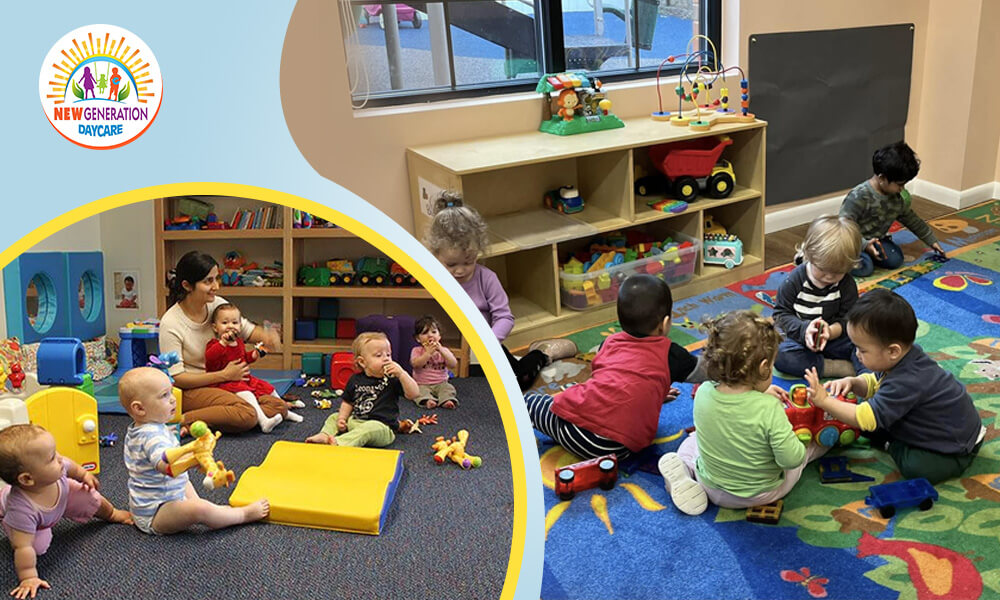
Choosing the right childcare program is one of the most important decisions parents make. Families want a place where children are safe, supported, encouraged to learn, and given opportunities to build confidence. When searching for a Licensed daycare Staten Island, parents should consider safety standards, educational activities, caregiver experience, daily routines, and communication with families.
A quality daycare provides more than supervision. It creates a warm, structured environment where children can learn through age-appropriate activities, creative play, social interaction, and guided exploration.
What to Look for in a Staten Island Daycare
Parents comparing childcare programs should consider these important factors:
- Licensing and safety: Make sure the daycare meets applicable licensing, health, and safety requirements.
- Qualified caregivers: Ask about staff experience, training, background checks, and professional development.
- Age-appropriate learning: Activities should encourage language, creativity, problem-solving, early academic skills, and motor development.
- Clean facilities: Classrooms, play areas, bathrooms, and shared spaces should be clean and well maintained.
- Balanced routines: Children benefit from a daily schedule that combines learning, play, meals, rest, and social activities.
- Parent communication: Families should receive clear updates about their child’s activities, progress, routines, and needs.
Benefits of a Private Daycare in Staten Island
A Private daycare Staten Island can be an attractive option for families looking for a structured childcare and early learning environment. Private programs may offer age-specific activities and consistent routines that support children’s individual developmental stages.
Before enrolling, parents can ask about classroom sizes, teacher-to-child ratios, outdoor activities, meals and snacks, nap schedules, and emergency procedures. Visiting the facility can also help parents determine whether the environment feels safe, welcoming, and appropriate for their child.
New Generation Learning Center focuses on creating an environment where children can experience early learning, social interaction, and development through engaging activities.
Questions to Ask Before Enrollment
Parents may want to ask:
- Is the facility currently licensed?
- What qualifications and training do caregivers have?
- What does a typical day look like?
- How are individual developmental needs supported?
- What safety and emergency procedures are followed?
- How does the daycare communicate with parents?
- Are meals and snacks provided?
- What are the enrollment requirements and operating hours?
Give Your Child a Strong Start
The early childhood years are an important period for developing communication, social, emotional, cognitive, and physical skills. A supportive daycare can encourage independence, curiosity, confidence, and positive relationships.
When searching for a Licensed daycare Staten Island, families should look beyond convenience. Safety, qualified caregivers, meaningful learning activities, and reliable communication all contribute to a positive childcare experience.
For families considering Private daycare Staten Island, scheduling a tour can provide valuable insight into the classrooms, staff, routines, and learning environment. New Generation Learning Center gives families an opportunity to explore childcare and early learning options based on their children’s needs.
Ultimately, the right daycare should give children a safe and engaging place to learn, play, grow, and thrive while giving parents greater peace of mind.
Give Your Child the Best Start with Quality Daycare in Staten Island

Finding the right daycare is one of the most important decisions parents make for their children. A nurturing environment, experienced educators, and engaging learning activities can shape a child’s confidence and development during their early years. If you are searching for a Private daycare Staten Island or a Licensed daycare Staten Island, choosing a center that prioritizes education, safety, and individualized attention can make all the difference.
At New Generation Learning Center, children are encouraged to explore, learn, and grow through age-appropriate programs designed to support every stage of early childhood development. The goal is to create a welcoming atmosphere where children feel secure while building essential life skills.
Why Choose a Quality Daycare?
A professionally managed daycare offers more than just supervision. It provides opportunities for children to develop socially, emotionally, and academically through structured activities and guided play.
Key benefits include:
- Safe and secure learning environments
- Experienced and caring educators
- Age-appropriate educational programs
- Interactive play that promotes creativity
- Daily routines that encourage responsibility
- Opportunities for social interaction and teamwork
- Activities that build communication and problem-solving skills
Parents looking for a Private daycare Staten Island often value personalized attention and smaller learning groups that help children thrive at their own pace.
Building Strong Foundations for Lifelong Learning
Early childhood education plays a significant role in preparing children for future academic success. A quality daycare program introduces foundational concepts in literacy, mathematics, science, and creative arts while making learning enjoyable.
A trusted Licensed daycare Staten Island also focuses on developing:
- Language and vocabulary skills
- Fine and gross motor coordination
- Emotional regulation
- Critical thinking abilities
- Self-confidence and independence
Through hands-on learning experiences and engaging classroom activities, children become curious learners who enjoy discovering new ideas every day.
A Balanced Approach to Education and Fun
At New Generation Learning Center, every day is designed to combine education with creativity and exploration. Children participate in activities that stimulate imagination while encouraging healthy physical and social development.
Programs may include:
- Storytelling and reading sessions
- Arts and crafts projects
- Music and movement activities
- STEM-based learning experiences
- Outdoor play and physical exercise
- Sensory exploration
- Group collaboration and interactive games
Families searching for a Private daycare Staten Island appreciate programs that balance structured learning with opportunities for independent discovery.
Supporting Families with Quality Care
Parents deserve peace of mind knowing their children are in a caring and supportive environment. A reputable Licensed daycare Staten Island emphasizes safety, communication, and consistent developmental progress while partnering with families throughout each child’s learning journey.
By choosing New Generation Learning Center, families invest in an environment that nurtures curiosity, confidence, and lifelong learning. With dedicated educators, engaging programs, and a child-centered philosophy, children receive the support they need to grow academically, socially, and emotionally while preparing for a bright future.
Safe, Nurturing and Trusted: Discover Quality Daycare in Staten Island
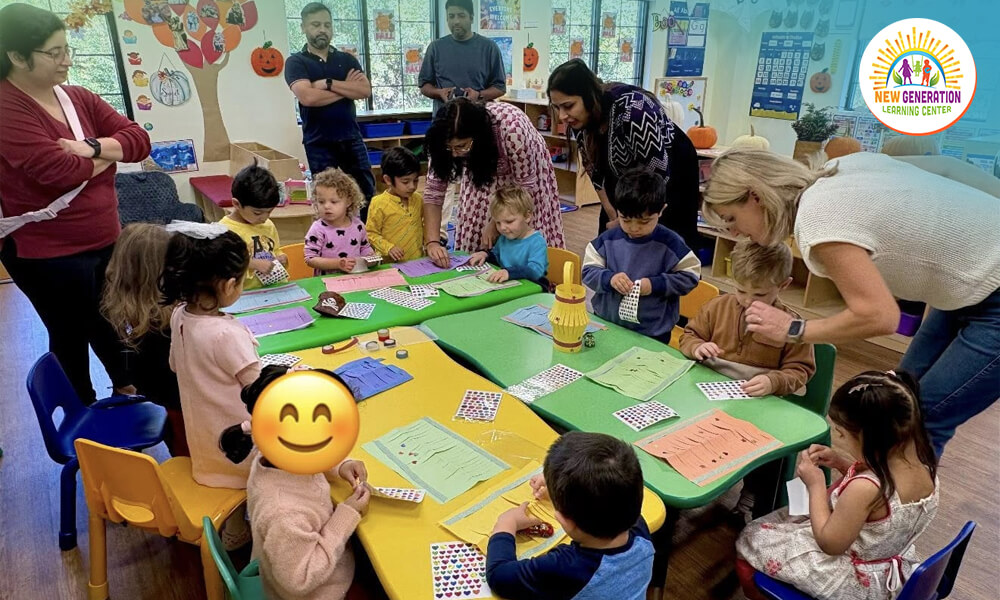
Finding the right daycare is one of the most important decisions parents make for their child’s early development. A safe, engaging, and supportive environment helps children grow emotionally, socially, and academically. For families searching for a reliable Private daycare Staten Island or a trusted Licensed daycare Staten Island, choosing a center that prioritizes both care and education is essential.
Early childhood is a critical stage of learning, where children begin to explore the world around them. A high-quality daycare program offers more than supervision, it provides structured learning, creative activities, and meaningful interactions that build a strong foundation for future success.
What Makes a Quality Daycare?
When considering a Private daycare Staten Island, parents should look for programs that combine safety, education, and personalized attention. A well-rounded daycare includes:
- Structured Learning Programs
Age-appropriate lessons that introduce early literacy, numbers, and problem-solving skills. - Safe & Secure Environment
Facilities designed with child safety in mind, including secure entry systems and supervised play areas. - Experienced & Caring Staff
Trained caregivers who understand child development and create a nurturing atmosphere. - Interactive Activities
Creative play, music, art, and group activities that encourage socialization and imagination.
For those seeking a Licensed daycare Staten Island, licensing ensures that the facility meets state regulations, including safety standards, staff qualifications, and curriculum guidelines.
Benefits of Choosing a Licensed Daycare
Enrolling your child in a Licensed daycare Staten Island provides peace of mind and long-term benefits:
- Regulated Standards
Licensed center follow strict guidelines to ensure quality care and safety. - Early Learning Development
Children gain essential skills that prepare them for preschool and kindergarten. - Social Interaction
Daily interaction with peers helps children develop communication and teamwork skills. - Routine and Stability
Structured schedules help children feel secure and build positive habits.
A Trusted Choice for Staten Island Families
New Generation Learning Center is dedicated to providing a supportive and enriching environment for young learners. With a focus on both care and education, the center offers programs designed to meet the developmental needs of every child.
As a recognized Private daycare Staten Island provider, New Generation Learning Center emphasizes individualized attention, ensuring each child receives the care and encouragement they need to thrive. Their commitment to maintaining high standards also makes them a dependable Licensed daycare Staten Island option for families seeking quality childcare.
What to Look for When Selecting a Daycare
Choosing the right daycare involves careful evaluation. Parents should:
- Visit the facility and observe staff interactions
- Ask about safety measures and licensing credentials
- Review daily schedules and learning activities
- Consider class sizes and teacher-to-child ratios
These steps help ensure your child is placed in a safe and nurturing environment.
Final Thoughts
A quality daycare sets the stage for lifelong learning and development. Whether you are exploring a Private daycare Staten Island or a dependable Licensed daycare Staten Island, selecting the right center can positively impact your child’s growth and confidence.
New Generation Learning Center continues to support families by offering a safe, engaging, and educational space where children can learn, play, and thrive every day.
A Safe and Nurturing Start for Your Child in Staten Island
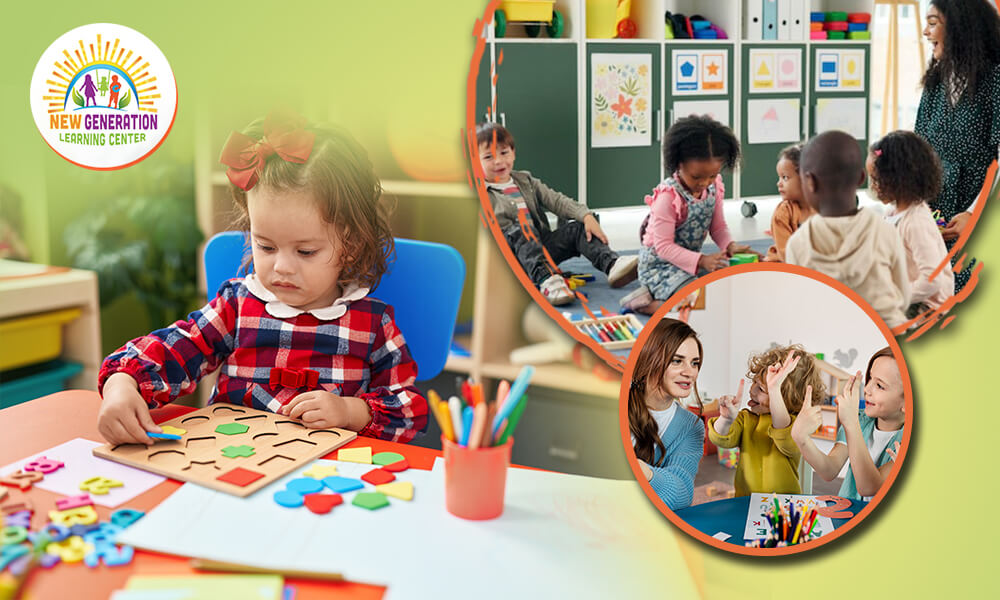
Choosing the right daycare is one of the most important decisions parents make for their children. Families want a place where their child feels safe, supported, and encouraged to grow. When searching for an Affordable daycare Staten Island, parents often look for a balance between quality education, caring staff, and a welcoming environment that helps children thrive.
Early childhood programs play a vital role in a child’s development. During the first few years of life, children build the foundation for learning, social interaction, and emotional growth. A structured daycare program provides opportunities for exploration, creativity, and early education while ensuring children are cared for by experienced professionals.
Why Quality Daycare Matters
A reliable daycare environment offers more than supervision. It introduces young learners to structured activities that support cognitive, social, and physical development. Through guided play, storytelling, art, music, and group interaction, children develop essential skills such as communication, problem-solving, and teamwork.
Parents seeking a Licensed daycare Staten Island can feel confident knowing that the program follows state guidelines and safety standards. Licensed facilities are required to maintain trained staff, appropriate child-to-teacher ratios, and safe learning environments. These standards help ensure that every child receives the attention and care they need.
Programs like New Generation Learning Center focus on creating a balanced environment where children learn while having fun. Structured activities are combined with free play to encourage creativity and curiosity.
A Learning Environment Designed for Growth
A well-designed daycare program supports both academic readiness and emotional development. Children are introduced to early literacy, numbers, shapes, and basic problem-solving through engaging activities that match their developmental stage.
Parents looking for an Affordable daycare Staten Island often appreciate programs that provide educational value without compromising quality. A strong daycare program focuses on building confidence, independence, and social skills that prepare children for preschool and kindergarten.
At New Generation Learning Center, children participate in activities that promote creativity and exploration. Classrooms are designed to be stimulating and safe, allowing children to interact with learning materials that spark curiosity and imagination.
Caring Teachers and Supportive Staff
The quality of educators plays a major role in a child’s daycare experience. Skilled teachers create a nurturing environment where children feel comfortable and valued. They guide young learners with patience, encouragement, and age-appropriate instruction.
Families choosing a Licensed daycare Staten Island often look for programs with experienced educators who understand early childhood development. Teachers help children build friendships, express their ideas, and develop a love for learning.
Programs like New Generation Learning Center also emphasize communication with parents, ensuring families stay informed about their child’s daily activities and progress.
Preparing Children for a Bright Future
A quality daycare program lays the groundwork for lifelong learning. Children who attend structured early education programs often transition more smoothly into preschool and elementary school. They develop stronger social skills, improved communication, and greater confidence.
For families searching for an Affordable daycare Staten Island, finding a supportive and engaging learning environment is essential. A program that combines safety, education, and nurturing care helps children grow academically and socially.
By choosing the right daycare, parents give their children the opportunity to explore, learn, and build a strong foundation for future success.
